

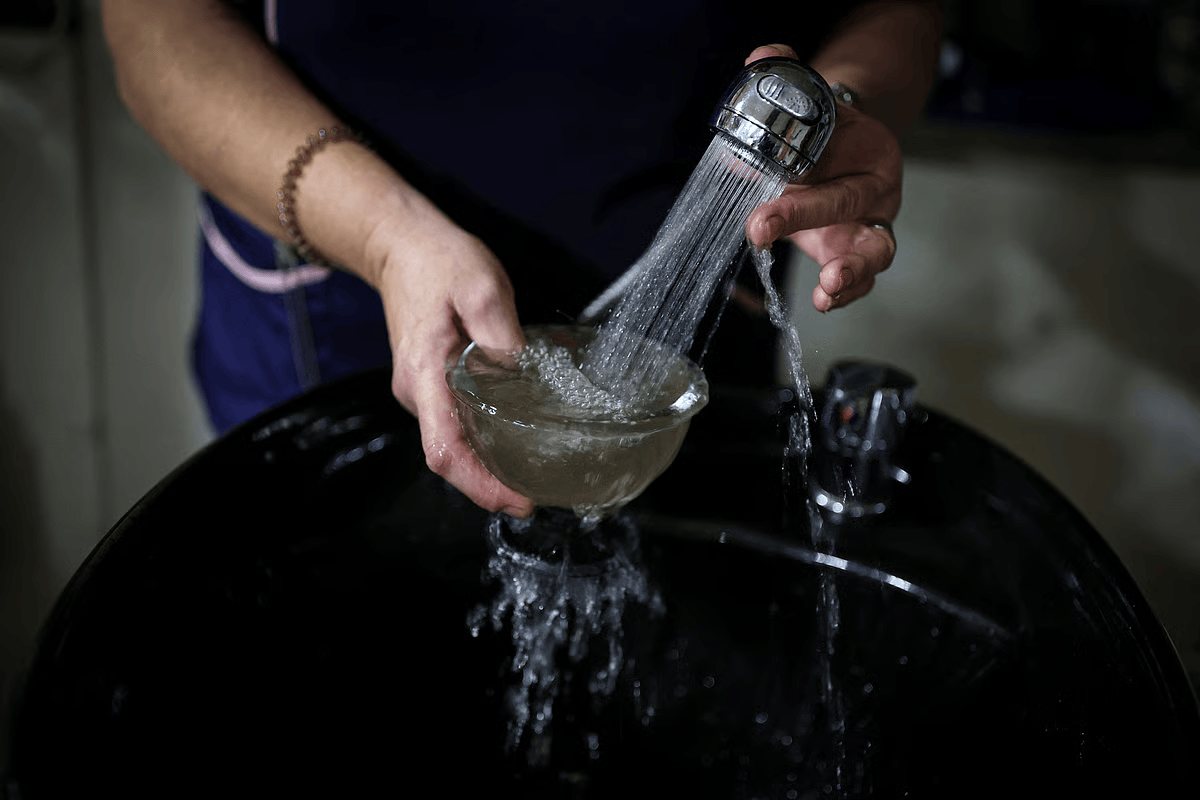
Contaminated water kills 9 and hospitalises 200 in India's Indore city
<p>A tragic incident linked to contaminated drinking water has claimed the lives of nine people and left more than 200 others hospitalised in Indore, a major city in India’s Madhya Pradesh state. The outbreak has raised serious concerns about water safety, public health infrastructure, and monitoring systems in urban areas.</p><p>According to initial reports, residents from several localities began experiencing severe symptoms such as vomiting, diarrhoea, stomach pain, and dehydration after consuming water supplied through local pipelines. As the number of affected individuals rapidly increased, hospitals across the city were placed on high alert, with emergency wards receiving a surge of patients.</p><p>Health officials suspect that the contamination may have occurred due to leakage in water pipelines or mixing of sewage with drinking water lines. Water samples have been collected from affected areas and sent for laboratory testing to identify the exact source and nature of the contamination. Authorities have temporarily stopped water supply in the impacted zones and are providing alternative arrangements, including water tankers and packaged drinking water.</p><p>The local administration has launched a detailed investigation and ordered inspections of water supply infrastructure. Medical teams have been deployed to monitor affected areas, while public advisories urge residents to boil water before use and avoid consuming untreated tap water.</p><p>This incident highlights the urgent need for regular inspection of water distribution systems, timely maintenance, and stricter quality checks to prevent such tragedies. Experts warn that contaminated water remains a major public health risk, especially in densely populated urban areas, and stress the importance of swift preventive measures to protect lives.</p>