

Dubai Metro Unifies Operations, Cuts Service Recovery Time by 80%
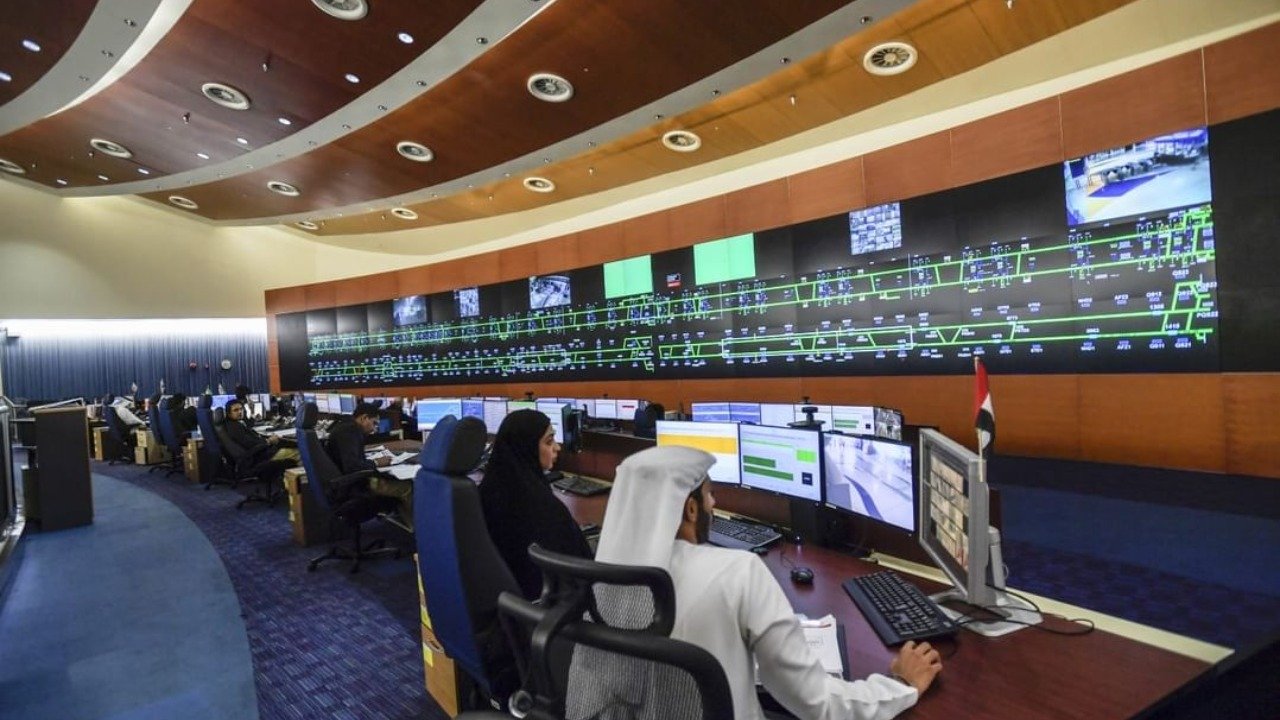
<p><strong>Dubai, UAE</strong> — In a major move to enhance efficiency and reliability in urban transit, Dubai’s metro network has unified its operations by merging the Operations Control Centre (OCC) with the Engineering Control Centre (ECC). The initiative, launched by the Roads and Transport Authority (RTA), has achieved a striking <strong>80 % reduction in service-recovery time</strong>, setting a new standard for rapid response in public transportation. <a href="https://timesofindia.indiatimes.com/world/middle-east/dubai-metro-unifies-operations-to-cut-service-recovery-time-by-80/articleshow/125130078.cms?utm_source=chatgpt.com">The Times of India</a></p><h3>Strategic Integration for Smarter Mobility</h3><p>The decision to integrate both control hubs into a single unified platform aligns with Dubai’s broader vision for smart urban mobility under the “Dubai Strategic Plan 2030.” By consolidating the OCC and ECC, the metro system now enables real-time fault detection, streamlined engineering responses, and faster decision-making — all monitored through one central command. The new system is also linked to the city’s overarching Enterprise Command and Control Centre (EC3), further enhancing coordination across transport, security and infrastructure sectors.</p><p>As a result, incidents such as track faults, signalling malfunctions or emergency evacuations are now identified and managed far more quickly. According to RTA figures, what previously took tens of minutes to address is now resolved in a fraction of that time. The faster response enhances service reliability and strengthens commuter confidence in public transit.</p><h3>Benefits for Daily Commuters</h3><p>For daily riders of the Dubai Metro, the full benefits of this upgrade will unfold in several ways:</p><p><strong>Reduced downtime</strong>: Delays caused by technical faults will likely be significantly shorter, which improves schedule adherence and minimizes disruption.</p><p><strong>Improved safety</strong>: Consolidated operations mean faster detection and response to safety risks, enhancing overall commuter security.</p><p><strong>Enhanced capacity utilisation</strong>: With fewer service interruptions, trains can run closer to optimal frequency, enabling more efficient use of infrastructure.</p><p><strong>Integrated data insights</strong>: Centralised monitoring facilitates better trend analysis, allowing predictive maintenance and fewer unexpected failures.</p><p>In one illustrative note, RTA explained that before unification, a fault requiring coordination between the two centres might have involved inter-departmental handoffs, causing delays. Now, with one unified team, the transition is seamless, and corrective actions can begin almost instantaneously.</p><h3>Underpinning Technology and Command Structure</h3><p>The unified system uses advanced surveillance, sensor data feeds, engineering telemetry and real-time analytics. The OCC engineers and ECC technical teams now sit together in one command centre, adorned with large video walls, integrated alarms and interactive dashboards. The EC3 link ensures that transport incidents can be escalated across agencies if needed — for example if a metro disruption affects broader traffic or urban infrastructure.</p><p>Sultan Ahmed bin Sulayem, Chairman of the Dubai International Chamber, commented on this upgrade in the context of Dubai’s global mobility ambition:</p><blockquote><p>“This integration is exactly the sort of innovation that underpins Dubai’s position as a smart city and a global transport hub.”</p></blockquote><h3>Challenges & Next Steps</h3><p>While the 80 % reduction in recovery time is a landmark achievement, RTA acknowledges the work continues. Ongoing challenges include:</p><p>Ensuring staff are trained to operate within the merged environment.</p><p>Continuing to maintain high standards of system reliability as passenger volumes grow.</p><p>Extending the unified approach to other transport modes, such as tram, bus and light rail.</p><p>Leveraging collected data to forecast maintenance needs and prevent incidents before they occur.</p><p>RTA has indicated that the next phase will involve linking metro operations with <strong>autonomous vehicle systems</strong>, enhancing last-mile connectivity for passengers. Pilot programmes in selected zones are expected to launch next year.</p><h3>What It Means for Dubai</h3><p>The metro’s transformed operations mark a clear step toward the Smart Dubai ambition — harnessing data, technology and integrated systems to offer world-class services to residents and visitors. With seamless connectivity and faster recovery times, Dubai’s transport system becomes even more attractive to commuters and tourists alike.</p><p>For business and leisure travellers, reliability is key. Whether heading to Dubai International Airport or commuting between residential hubs and business districts, the upgraded metro system promises smoother journeys and enhanced punctuality.</p><h3>Conclusion</h3><p>Dubai’s move to unify its metro control systems is not just a technical upgrade — it’s a statement of intent. By reducing service recovery time by 80%, the city demonstrates that smart mobility is more than a concept; it’s becoming a daily reality. As other emirates and cities watch closely, Dubai solidifies its reputation as a pioneer in transport innovation and sets a blueprint for the future of urban transit.</p>