

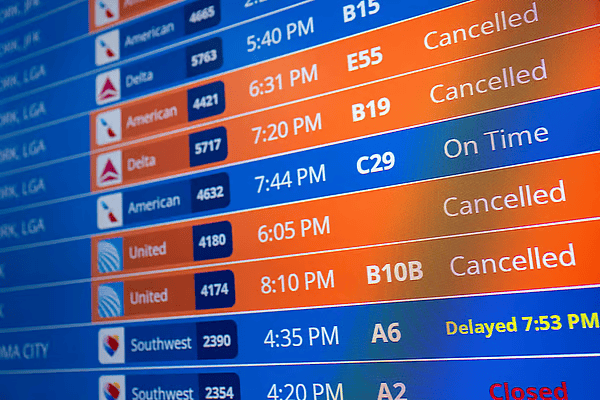
Over 3,600 flights cancelled, 30,000 delayed as 'bomb cyclone' hits parts of US
<p>A powerful bomb cyclone has struck several parts of the United States, leading to massive disruption in air travel and daily life. According to aviation authorities, more than 3,600 flights have been cancelled, while over 30,000 flights have faced significant delays as the storm intensified across major regions. The sudden and extreme weather event has caused strong winds, heavy snowfall, torrential rain, and rapidly dropping temperatures, making travel conditions extremely dangerous.</p><p>A bomb cyclone occurs when a storm rapidly strengthens due to a sharp drop in atmospheric pressure, resulting in hurricane-force winds and severe weather impacts. This particular system has affected major airports across the Midwest, Northeast, and parts of the West Coast, grounding planes and stranding thousands of passengers. Airports reported overcrowded terminals as travelers scrambled to rebook flights or find alternative transportation.</p><p>Meteorologists warned that the cyclone could bring blizzard conditions, coastal flooding, and power outages in vulnerable areas. Emergency services and local authorities urged residents to avoid non-essential travel and stay indoors where possible. Airlines issued travel advisories and offered flexible rebooking options to minimize inconvenience for affected passengers.</p><p>The storm’s impact extends beyond aviation, with highways experiencing closures, schools announcing shutdowns, and businesses facing operational disruptions. Weather experts say such intense systems are becoming more frequent due to changing climate patterns, emphasizing the need for better preparedness and infrastructure resilience.</p><p>As the bomb cyclone continues to move eastward, officials are closely monitoring conditions and advising travelers to check flight status regularly. Passengers are encouraged to stay updated through airline notifications and weather alerts until conditions improve and normal operations resume. </p>