

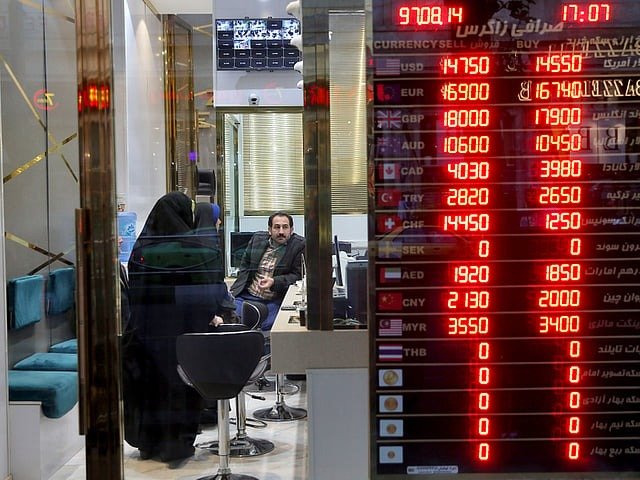
Remit Now? UAE Dirham Exchange Rates Boost Value for Indian, Pakistani, and Filipino Expats
For millions of expatriates living and working in the United Arab Emirates, remittances are not just financial transactions — they are lifelines that support families back home. With the dirham showing continued strength against several Asian currencies, including the Indian rupee, Pakistani rupee, and Philippine peso, the big question for many workers today is: Is this the right time to remit money, or should I wait for even better rates?
A Favorable Window for Remitters
On September 24, 2025, exchange rates stood as follows:
Indian Rupee (INR): 24.11 – slightly higher than yesterday’s 24.09, reaching a multi-week high.
Pakistani Rupee (PKR): 76.67 – unchanged from the previous day but still favorable for senders.
Philippine Peso (PHP): 15.51 – steady, with rates holding at stronger levels for remitters.
The Indian rupee’s gain is especially notable, as it provides Indian expatriates with more purchasing power when transferring money to families. Even a small fluctuation in these exchange rates can have a major impact on household budgets, school fees, loan repayments, and investments back home.
Why Asian Currencies Are Weakening
The weakness in Asian currencies is largely tied to global economic conditions, including a stronger US dollar, volatile oil prices, and regional inflationary pressures. Because the UAE dirham is pegged to the dollar, its strength directly impacts how much value expatriates get when sending money abroad.
For the Indian rupee, market pressures have kept it under strain, pushing rates beyond 24 against the dirham — a level many consider attractive for remittances. The Pakistani rupee, though stabilizing, still remains weak overall compared to past years. Meanwhile, the Philippine peso has also been facing consistent pressure, maintaining higher conversion values for UAE-based workers.
Should You Remit Now or Wait?
This is the critical decision many expatriates face daily. On one hand, today’s rates are already providing excellent value compared to earlier this year. For example, a remittance of AED 2,000 to India today would yield approximately INR 48,220 — more than what it would have fetched even a few weeks ago.
On the other hand, currency markets are unpredictable. Some experts suggest that while the rupee may weaken further in the coming months, others argue that any global recovery could stabilize currencies and lower remittance advantages.
For Pakistani and Filipino expatriates, steady rates mean less volatility, but the opportunity to lock in favorable conversions remains appealing. Many prefer to remit during such windows instead of waiting, especially when important family obligations such as school fees, medical expenses, or loan payments are due.
Impact on Families Back Home
For families in India, Pakistan, and the Philippines, the current remittance situation translates into more money in hand without senders having to transfer extra funds. This boost is especially significant in rural areas, where remittances often make up a large portion of household income.
In India, families can use the additional rupees to pay off debts faster, invest in property, or manage rising food and education costs.
In Pakistan, the remittance boost helps households cope with inflation and rising fuel prices, strengthening financial stability.
In the Philippines, where overseas remittances form a vital part of the national economy, families benefit from higher peso conversions for everyday needs, healthcare, and savings.
A Long-Term Perspective
While today’s numbers are encouraging, experts advise expatriates not to rely on short-term peaks alone. Instead, many financial advisors recommend a staggered remittance approach — sending money in parts rather than waiting for a “perfect” rate that may never materialize. This strategy balances risk while ensuring families continue to receive support regularly.
Additionally, using digital remittance services or licensed exchange houses that offer competitive rates and lower fees can make a big difference. Even small savings on transaction costs add up significantly over time.
Conclusion
As of September 24, expatriates in the UAE are enjoying some of the most favorable remittance conditions seen in months. With the Indian rupee at 24.11, the Pakistani rupee at 76.67, and the Philippine peso at 15.51, now may be an excellent time for many to remit money.
Ultimately, whether to send funds today or wait depends on individual family needs, financial commitments, and risk tolerance. But one thing is clear: the current exchange rate climate provides a unique opportunity for UAE expatriates to maximize the value of their hard-earned money.