
Saudi Arabia Revises Umrah Visa Rules
Saudi Arabia Announces New Umrah Visa Amendments Effective Next Week
In a significant move to improve the management of religious travel and enhance the pilgrim experience, Saudi Arabia’s Ministry of Hajj and Umrah has announced new amendments to the Umrah visa regulations, which will take effect next week. Under the new rules, the validity of the entry visa will be reduced from three months to one month from the date of issuance.
However, once the pilgrim arrives in the Kingdom, the duration of stay remains unchanged at three months, according to sources cited by Al Arabiya. The ministry explained that this adjustment will help streamline visa procedures and ensure that travel plans are made efficiently.
Visa Cancellation After 30 Days If Unused
As part of the new regulations, any Umrah visa that is not used within 30 days of issuance will be automatically cancelled. This means that pilgrims must enter Saudi Arabia within that timeframe or risk losing their visa.
The Ministry of Hajj and Umrah stated that the change aims to prevent the misuse of visas, reduce congestion, and facilitate better coordination of pilgrim arrivals, especially during peak seasons. By implementing this rule, the ministry seeks to enhance operational readiness and maintain smooth access to the holy cities of Makkah and Madinah.
Managing Growing Pilgrim Numbers
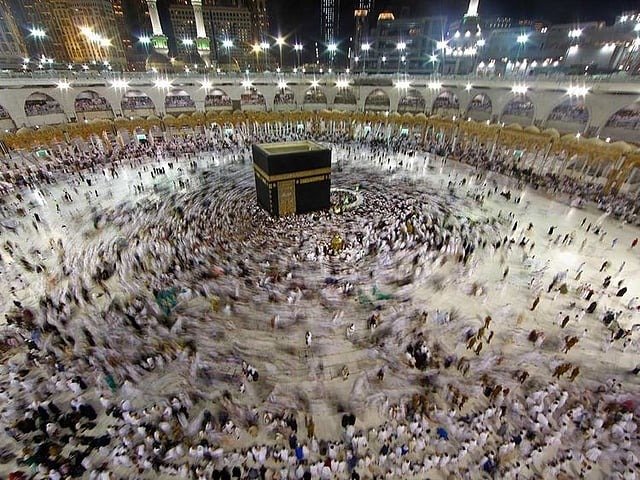
Ahmed Bajaeifer, adviser to the National Committee for Umrah and Visit, noted that the new visa policy is part of a broader plan to handle the expected surge in Umrah pilgrims, particularly with the onset of cooler weather. The decision also comes amid a steady rise in the number of visitors as the Kingdom continues to ease restrictions and improve facilities for pilgrims.
The goal is to minimize overcrowding in Makkah and Madinah while ensuring that every pilgrim enjoys a safe and organized spiritual journey.
Record-Breaking Umrah Season in 2025
According to reports from the Saudi Gazette, more than four million Umrah visas have been issued since the start of the new season in early June — a record number achieved in just five months. This surge highlights the growing global interest in performing Umrah and reflects the success of Saudi Arabia’s efforts to make pilgrimage more accessible.
Earlier this year, the ministry also confirmed that over 15 million pilgrims had already performed Umrah in 2025, setting a new milestone in the Kingdom’s religious tourism achievements.
All Visa Types Now Eligible for Umrah
In another major policy shift, the Ministry of Hajj and Umrah announced that holders of all visa types — including personal, family visit, electronic tourist, transit, and work visas — are now eligible to perform Umrah.
This inclusive policy, reported by the Saudi Press Agency (SPA), aligns with Saudi Vision 2030, which aims to diversify the economy and welcome more visitors for religious and cultural tourism. The move simplifies the process for millions of Muslims around the world, allowing them to perform Umrah without needing a special visa.
Nusuk Umrah Platform Enhances Accessibility
The ministry has also highlighted the importance of the Nusuk Umrah platform, an integrated digital system that enables pilgrims to book packages, obtain permits electronically, and select timings flexibly. Through Nusuk, users can access official services directly, ensuring transparency and convenience.
This initiative represents Saudi Arabia’s broader digital transformation in the religious tourism sector, making the entire Umrah journey more efficient, secure, and user-friendly.
A Step Toward Vision 2030 Goals
These new amendments to Umrah visa regulations are part of Saudi Arabia’s ongoing efforts to modernize the pilgrimage system and enhance visitor experiences. By introducing clearer rules and advanced technological systems, the Kingdom aims to accommodate millions of pilgrims annually while maintaining high standards of safety, organization, and comfort.
As the new policy takes effect next week, pilgrims planning their Umrah journey are advised to stay updated, register early, and make travel arrangements within the 30-day validity period. With these reforms, Saudi Arabia continues to set new benchmarks in facilitating one of the world’s most important spiritual journeys.