

IndiGo Crisis: India Plans 5% Slot Cut as Rivals Step In
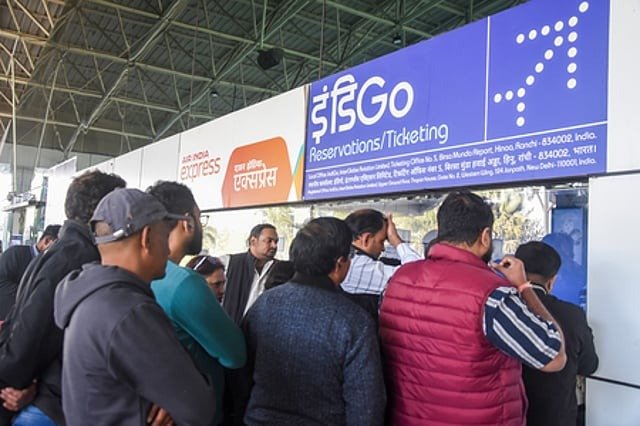
<p><strong>IndiGo Flight Cancellations Push Government to Act as Rivals Prepare to Absorb Capacity</strong></p><p>India’s aviation sector is facing one of its most disruptive moments in recent years, with IndiGo — the country’s largest airline — at the centre of a crisis that has grounded more than 2,000 flights since early December 2025. In response to the widespread chaos and public anger, the Indian civil aviation ministry is preparing to reduce IndiGo’s domestic operations by around 5%, equivalent to nearly 110 daily flights, and redistribute those valuable airport slots to competing airlines.</p><p>The proposed move reflects growing concern within the government and regulators over IndiGo’s overwhelming market share, which stands at roughly 61%. Officials believe that this dominance has amplified the impact of operational failures, particularly during peak travel periods such as the winter holiday and wedding season.</p><h3>What Triggered the Crisis?</h3><p>The immediate trigger for the mass cancellations was the enforcement of <strong>Flight Duty Time Limitation (FDTL) Phase II rules</strong>, which came into effect on November 1, 2025. These regulations, announced two years earlier by the Directorate General of Civil Aviation (DGCA), cap pilot duty hours more strictly and mandate a minimum of 48 hours of weekly rest.</p><p>While other airlines adjusted staff planning ahead of the deadline, IndiGo was caught unprepared. Industry sources point to lean staffing models, delayed pilot recruitment, and minimal crew buffers as key weaknesses that were exposed once the new rules became mandatory.</p><p>On December 5 alone, IndiGo cancelled over 1,000 flights — nearly half its daily network — in what the airline described as a “network reboot” aimed at repositioning aircraft and crew. The result was immediate chaos at major airports, particularly New Delhi, where stranded passengers protested amid long queues, missed connections, and limited assistance.</p><h3>Scale of Disruption</h3><p>The cancellations have had a deep impact on passengers across the country. On December 3, IndiGo reportedly cancelled up to 300 flights in a single day, causing its on-time performance to nosedive. Since then, pilot shortages and compliance challenges with the FDTL rules have driven the total number of cancelled flights past the 2,000 mark.</p><p>Travelers reported missing weddings, medical appointments, exams, and international connections, adding to public frustration. The situation was further worsened by external factors such as winter fog, airport congestion, air traffic control failures, and reported software glitches on Airbus A320 aircraft.</p><h3>Government Eyes Slot Redistribution</h3><p>To stabilise the system, the DGCA is considering proportional cuts to IndiGo’s flight schedule based on available crew and operational readiness. This would free up high-demand airport slots — particularly at congested hubs like Delhi and Mumbai — for airlines better positioned to operate reliably.</p><p>While temporary exemptions for night duties were granted to help IndiGo recover, regulators have made it clear that patience is wearing thin. A four-member investigative panel is now reviewing the crisis and could recommend penalties, management action, or even additional slot reductions if disruptions continue.</p><h3>Which Airlines Stand to Benefit?</h3><p>Several carriers are poised to absorb the capacity being vacated by IndiGo. <strong>Air India, Air India Express, Akasa Air, and SpiceJet</strong> are among the leading contenders for redistributed slots.</p><p>Air India, in particular, is reportedly lobbying aggressively to secure additional capacity. Backed by the Tata Group, the airline has been expanding its fleet and operational footprint and has responded quickly to the crisis by adding flights on affected routes.</p><p>Akasa Air, though newer, has demonstrated operational agility and available aircraft, positioning it as a strong candidate for slot allocation. SpiceJet, while financially constrained, also expects to gain limited capacity where feasible.</p><h3>Fare Caps to Protect Passengers</h3><p>To prevent price gouging amid reduced capacity, the Indian government introduced airfare caps starting December 4. Air India and Air India Express implemented fixed limits on economy-class fares for non-stop domestic routes, overriding normal dynamic pricing systems.</p><p>While full fare caps across all route combinations are technically difficult, Air India said its focus remains on stabilising prices and ensuring passengers reach their destinations with minimal disruption. Accommodation, meals, refunds, and alternative travel arrangements were also extended to affected travelers.</p><h3>Political and Public Backlash</h3><p>The crisis has sparked political outrage. Several lawmakers have accused IndiGo of “intentional negligence” and poor planning, noting that the airline had ample notice to prepare for the FDTL rules. Calls for punitive action have grown louder as images of stranded passengers and airport protests spread across social media.</p><p>Pilot unions have also criticised IndiGo’s management strategy, calling its staffing model short-sighted and overly aggressive in cost-cutting, arguing that safety and resilience were sacrificed for efficiency.</p><h3>IndiGo Claims Recovery — But Scrutiny Remains</h3><p>IndiGo maintains that it is on the path to recovery. In a statement issued on December 8, the airline said it had operated more than 1,800 flights in a day, up from 1,650 earlier, restored its full network, and achieved a 90% on-time performance rate. It added that all remaining cancellations were pre-notified to passengers.</p><p>However, regulators remain cautious. Aviation officials stress that sustained stability — not short-term recovery — will determine whether slot cuts are implemented or expanded.</p><h3>Bigger Lessons for India’s Aviation Market</h3><p>The IndiGo crisis has exposed structural vulnerabilities in India’s fast-growing aviation sector, particularly the risks of excessive market concentration. While IndiGo’s scale has helped keep fares low in normal times, the current disruption shows how dependent the system has become on a single carrier.</p><p>Redistributing even 5% of slots could mark a turning point, encouraging healthier competition, improving resilience, and reducing the risk of nationwide disruption in the future.</p><p>For now, passengers remain watchful, competitors are gearing up, and the government appears ready to act decisively to restore confidence in India’s skies.</p>