
Digital Dirham Starts Real Transactions in UAE
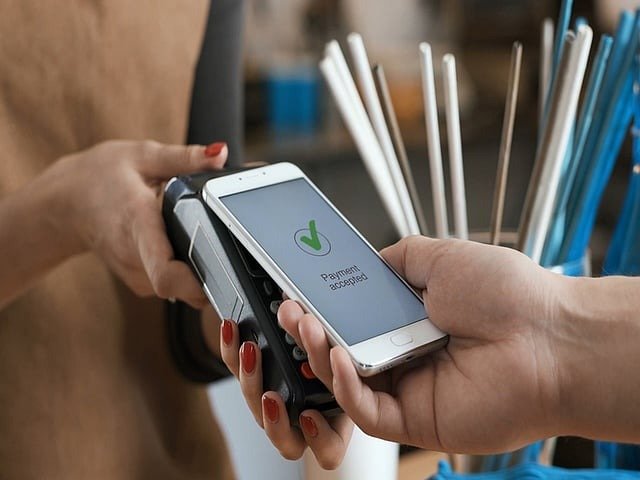
<p>The UAE has officially entered a new era of digital finance with the first-ever government transaction using the Digital Dirham. This major step signals that the Central Bank of the UAE (CBUAE) is moving from testing the technology to preparing it for everyday public use. As the Digital Dirham transitions from pilot programs to real transactions, UAE residents can expect big changes in how payments, transfers and financial services work in the near future.</p><h2><strong>A Big Moment for the UAE’s Financial Future</strong></h2><p>The landmark transaction took place between the Ministry of Finance and the Dubai Department of Finance. It was carried out using the international mBridge platform, which is designed for fast and secure cross-border and local settlements. What makes this moment so important is the speed: the entire transfer was completed in less than two minutes.</p><p>This achievement forms part of the Central Bank’s Financial Infrastructure Transformation (FIT) Program, which aims to modernise the UAE’s payment ecosystem. Government officials described this development as a major qualitative leap that strengthens the UAE’s position as a global leader in financial technology.</p><p>For residents and businesses, the first live use of the Digital Dirham shows that the country is serious about transforming how money moves across the economy.</p><h2><strong>What the Digital Dirham Means for UAE Residents</strong></h2><p>The move from pilot testing to real use means many changes are coming soon. Here are the most important ones:</p><h3><strong>1. Faster and Smoother Payments</strong></h3><p>The quick completion of the government transfer shows how fast Digital Dirham transactions can be. In the future, this speed may extend to:</p><p>paying utility bills</p><p>receiving refunds or rebates</p><p>government benefits or salary payouts</p><p>insurance and claim settlements</p><p>peer-to-peer transfers</p><p>Residents can expect near-instant processing, reducing the waiting time that comes with traditional banking methods.</p><h3><strong>2. More Ways to Pay</strong></h3><p>Once retail rollout begins—expected in <strong>Q4 2025</strong>—people may be able to:</p><p>open Digital Dirham wallets through banks or approved fintech companies</p><p>top up their wallets from their bank accounts</p><p>pay at stores, malls, restaurants and service providers</p><p>use it for online shopping</p><p>send money to friends or family within seconds</p><p>The Digital Dirham will live inside a wallet app, similar to Apple Pay or Google Pay, but issued and controlled by the UAE Central Bank for higher security and stability.</p><h3><strong>3. More Inclusive Access</strong></h3><p>A key benefit of Digital Dirham is financial inclusion. People who do not have a traditional bank account may still access Digital Dirham wallets through licensed fintech providers. This makes digital payments more accessible for blue-collar workers, new residents, or those who prefer fintech over banks.</p><h3><strong>4. Higher Security and Privacy</strong></h3><p>The CBUAE has announced strict rules to protect user information. All wallet providers must follow:</p><p>Know Your Customer (KYC) verification</p><p>secure encryption</p><p>anti-fraud measures</p><p>strict data privacy standards</p><p>This ensures that residents get both convenience and safety.</p><h2><strong>What Needs to Happen Next</strong></h2><p>As the Digital Dirham prepares for a wider rollout, several systems need to be ready:</p><h3><strong>1. Merchant Adoption</strong></h3><p>Shops, landlords, e-commerce websites and service providers must upgrade their payment systems to accept Digital Dirham. Many POS (point-of-sale) systems across the UAE are already digital-ready, so integration is expected to be smooth.</p><h3><strong>2. Wallet Provider Options</strong></h3><p>Residents will likely have multiple choices, including:</p><p>banks</p><p>licensed fintech apps</p><p>approved digital payment platforms</p><p>Comparing features, fees and security will help users choose the best wallet.</p><h3><strong>3. Regulation and Interoperability</strong></h3><p>The Central Bank will focus on privacy, cybersecurity and compatibility between different payment systems. It will ensure Digital Dirham works with existing cards, bank apps and digital wallets.</p><h2><strong>What UAE Residents Can Do Now</strong></h2><p>Even though full public rollout will take time, you can prepare by:</p><p>staying updated on which banks and fintech companies launch Digital Dirham wallets</p><p>checking how your regular payments (rent, bills, shopping) can shift to digital</p><p>getting comfortable with digital payment apps</p><p>understanding CBDC benefits such as speed, security and lower fees</p><p>For the near future, cash and card payments will remain available, but Digital Dirham is expected to become a preferred option as adoption grows.</p>