

Israel-Iran Tensions Escalate Again as Fragile Ceasefire Faces Fresh Challenges
The fragile ceasefire that had helped ease direct military tensions between Iran and Israel is once again under pressure following a fresh round of attacks and counterattacks across the region. The latest developments have raised concerns among international observers that the situation could quickly deteriorate into a broader regional conflict if diplomatic efforts fail to contain the escalation.
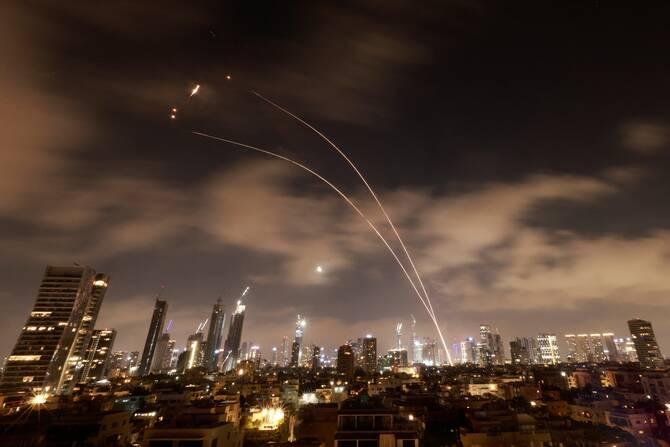
Tensions intensified after reports emerged of missile launches targeting Israeli territory, prompting air raid alerts and activating defense systems in several areas. Israeli authorities stated that the majority of incoming threats were intercepted, while security forces remained on high alert amid fears of additional attacks. The incident marked one of the most significant security challenges since the ceasefire arrangement came into effect.
In response, Israel carried out military operations against what it described as strategic targets linked to hostile activities. Explosions were reported in multiple locations, drawing international attention and renewing concerns about the possibility of direct confrontation between the two regional rivals. Both sides have defended their actions as necessary measures to protect national security interests.
The situation has also placed Lebanon back at the center of regional tensions. Ongoing military activity near the Israel-Lebanon border and reports of strikes targeting locations associated with armed groups have contributed to fears that the conflict could spread beyond its current scope. Analysts warn that any significant escalation involving additional regional actors could complicate efforts to maintain stability and increase the risk of a wider crisis.
International leaders and diplomatic mediators have responded by urging restraint and encouraging all parties to avoid actions that could further inflame tensions. Several countries have intensified diplomatic contacts in an effort to preserve the ceasefire framework and prevent further violence. Officials involved in mediation efforts continue to emphasize the importance of dialogue as the only sustainable path toward long-term stability.
The renewed tensions have also attracted attention from global markets. Investors are closely monitoring developments due to concerns about potential disruptions to regional trade routes, energy supplies, and broader economic stability. Uncertainty surrounding the security situation has led to increased caution among businesses and governments that rely on stability in the Middle East for economic and strategic interests.
Security experts note that the current situation remains highly unpredictable. While the ceasefire technically remains in place, recent military exchanges demonstrate how quickly isolated incidents can escalate into larger confrontations. The coming days are expected to be crucial as diplomatic efforts continue alongside heightened military readiness across the region.
Despite the challenges, international negotiators remain hopeful that the ceasefire can be preserved. Continued engagement between regional and global stakeholders is aimed at reducing tensions, preventing further military action, and creating conditions for a more lasting period of calm. However, with mistrust still running deep and security concerns remaining high, the path toward lasting peace remains uncertain.
For now, governments, security agencies, and international organizations are closely watching developments as they unfold. The latest exchange of hostilities serves as a reminder of the fragile nature of regional stability and the importance of sustained diplomatic efforts to prevent a broader conflict that could have far-reaching consequences beyond the Middle East.