

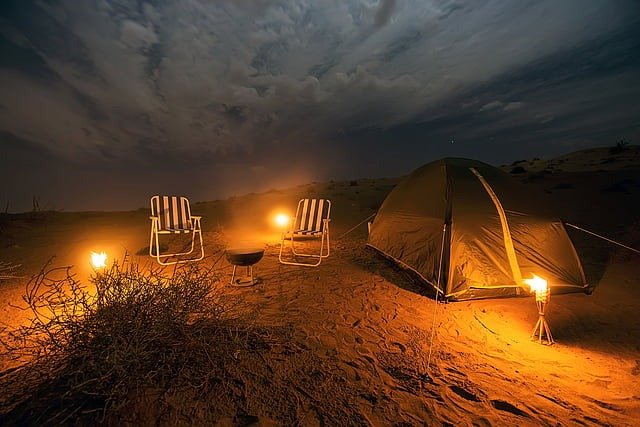
UAE Camping Rules 2025: Permits, Fines, and Essential Safety Tips for Campers
As winter arrives, camping enthusiasts across the UAE are preparing for their favourite outdoor season. From the golden dunes of Lahbab to the scenic lakes of Hatta, the UAE offers breathtaking natural spots perfect for desert adventures and starlit nights. But before you head out with your gear, it’s vital to understand the camping laws, permit requirements, and safety rules designed to protect both campers and the environment.
Federal Environmental Protection Laws
Camping in the UAE is regulated under federal laws that prioritise environmental protection and public safety. Federal Law No. 12 of 2018 on Integrated Waste Management strictly prohibits dumping, burning, or burying waste outside designated areas. Violators can face fines of up to Dh30,000 for individuals and Dh1 million for establishments.
Similarly, Federal Law No. 24 of 1999 on the Protection and Development of the Environment safeguards natural reserves, plants, and wildlife. Activities that harm endangered species or damage natural habitats can result in jail terms of six months or more and fines starting at Dh20,000 for first-category species. Cutting trees, disturbing wildlife, or driving over protected vegetation can also attract penalties.
Local Camping Rules and Fines
Each emirate in the UAE enforces additional camping regulations to maintain order and cleanliness. In Sharjah and Fujairah, campers can face fines of up to Dh2,000 for pitching tents in unauthorised areas, littering, or leaving waste behind.
Authorities encourage residents to use designated camping zones, which are equipped with proper waste disposal systems and emergency access routes. Municipalities also conduct regular inspections to ensure that campsites comply with environmental standards and public safety measures.
Camping Permits and Fees
For short-term camping trips or overnight stays, you typically don’t need prior permission in most desert areas, according to Dubai Municipality. However, long-term or seasonal camping does require an official camping permit.
To obtain a permit, campers must:
Apply through the local municipal authority.
Pay a fee (amount varies by emirate and duration).
Follow all safety and environmental guidelines provided.
Failure to secure a permit for long-term camping can lead to fines or eviction from the site.
Safety During Winter and Rainy Seasons
The UAE’s winter months often bring rain and occasional flooding, especially in wadis (valleys) and low-lying desert areas. The National Center of Meteorology and Civil Defence departments urge campers to check weather forecasts before setting up camp.
Under Federal Decree-Law No. 14 of 2024 on Traffic Regulation, entering flood-prone areas during rain carries severe penalties, including:
Dh2,000 fine, 23 traffic points, and 60-day vehicle impoundment for driving into flood zones.
Dh1,000 fine and six traffic points for gathering near dams or valleys during storms.
To stay safe, avoid wadis, turn off electrical equipment during lightning, and never use open fires in windy or rainy conditions.
Fire Safety and Equipment Use
Fires are one of the most common camping hazards. To reduce the risk of accidents, authorities advise:
Keeping lanterns and stoves at least 50cm away from tents.
Never using barbecues, coal burners, or heaters inside tents.
Storing firewood at least 15 feet away from living areas.
Keeping a fire extinguisher or sand bucket within reach.
Avoiding open flames such as candles inside the tent.
Seven Sustainable Camping Rules
The UAE’s desert ecosystem is delicate, and sustainability is a shared responsibility. Authorities recommend the following eco-friendly camping habits:
Camp only in areas approved by local authorities.
Always collect and dispose of waste responsibly.
Avoid harming plants, insects, or desert wildlife.
Use reusable utensils and biodegradable materials.
Conserve water and avoid polluting lakes or rivers.
Drive only on marked tracks to prevent damage to vegetation.
Leave the campsite cleaner than you found it.
Popular UAE Camping Spots
Whether you prefer mountains, lakes, or deserts, the UAE offers countless scenic sites for campers:
Hatta Campsite and Wadi Hub
Suhaila and Al Qudra Lakes
Lahbab Desert (Red Dunes)
Jebel Ali Beach
Al Aweer Desert
Before heading out, check local rules for each destination—some require permits or have restrictions on campfires, vehicles, or overnight stays.
In summary: Camping in the UAE is a rewarding experience when done responsibly. Understanding the laws, securing permits where necessary, and following safety and sustainability guidelines will ensure your trip is both enjoyable and environmentally friendly.