

UAE to Enforce Full Ban on Single-Use Plastics by 2026
Dubai, September 17, 2025 – The United Arab Emirates is stepping up its fight against plastic pollution with a landmark policy that will come into effect on January 1, 2026. From this date, the UAE will introduce a nationwide ban on the import, production, and trade of single-use plastic products, marking one of the most comprehensive anti-plastic measures in the region.
The announcement, made earlier this year by the Ministry of Climate Change and Environment, builds on a phased approach that began in 2024 and reflects the country’s broader environmental goals to cut waste, reduce pollution, and foster a circular economy.
Why the ban?
Plastic pollution has become one of the world’s most pressing environmental problems. From shopping bags to microplastics in food and water, plastics affect ecosystems, wildlife, and human health. By phasing out single-use items, the UAE aims to design waste out of its systems, protect natural resources, and encourage businesses and consumers to adopt sustainable practices.
Dubai’s phased ban: Timeline of restrictions
Dubai has implemented the ban in stages, targeting the most commonly used plastic products.
January 2024 – A 25-fil tariff on single-use plastic bags introduced.
June 2024 – Complete ban on single-use plastic bags.
January 2025 – Ban extended to plastic stirrers, straws, and Styrofoam containers.
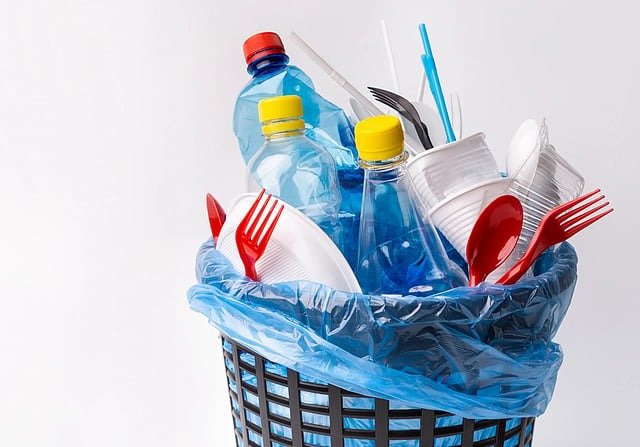
January 2026 – Final stage: ban expands to include single-use plastic cups and lids, cutlery, food containers, and plates.
Certain essential plastic products, such as bread bags, roll bags for fruits and vegetables, meat and fish packaging, garbage bags, and bags thicker than 58 micrometres, remain exempt to balance environmental goals with practical needs.
A nationwide movement
While Dubai is finalizing its ban in 2026, other emirates have already taken significant steps:
Abu Dhabi: Introduced its ban on plastic bags in June 2022. By 2023, the Environment Agency – Abu Dhabi launched an Incentive-based Bottle Return Scheme, collecting over 130 million bottles and more than 2,000 tonnes of plastic through reverse vending machines, smart bins, and door-to-door collection. In June 2024, the emirate also banned certain Styrofoam products. Since adopting its policies, Abu Dhabi has seen a 95% reduction in plastic bag consumption.
Sharjah: On January 1, 2024, Sharjah prohibited the production, trade, and import of single-use plastic bags and materials. Manufacturers and retailers were instructed to stop supplying these products, making the emirate one of the first to enforce a complete ban on plastic bags.
Role of businesses and consumers
The 2026 ban is not just about eliminating plastics but also about transforming consumer habits and business practices. Shops, restaurants, and vendors are expected to provide reasonably priced reusable alternatives such as cloth bags, biodegradable containers, and recyclable materials.
The private sector has also been encouraged to invest in recycled products and sustainable packaging to align with circular economy principles, ensuring materials are reused rather than discarded.
Wider environmental impact
Experts note that the ban represents a significant step toward reducing the UAE’s plastic footprint. By phasing out single-use plastics:
Waste volumes in landfills will decrease.
Marine and desert ecosystems will benefit, with less risk to wildlife from discarded plastics.
Microplastic contamination in food and water sources will reduce over time.
Dr. Amna Al Dahak, Undersecretary of the Ministry of Climate Change and Environment, has emphasized that these initiatives are part of the UAE’s long-term sustainability vision, which seeks to protect biodiversity while encouraging innovation in waste management and recycling.
Looking ahead
As the 2026 deadline approaches, municipalities across the UAE are expected to roll out more awareness campaigns, guidelines for businesses, and incentives for consumers to adopt eco-friendly habits. The ban is also likely to encourage the growth of green startups focusing on biodegradable packaging, recycling technologies, and sustainable alternatives.
With Dubai preparing to enter the final stage of its restrictions next year, the nationwide action underlines the UAE’s determination to be a regional leader in climate action and environmental protection.
Conclusion
By 2026, single-use plastics will no longer be part of daily life in the UAE. What began with a small tariff on shopping bags in 2024 has evolved into a comprehensive policy that targets one of the planet’s biggest environmental challenges. Through phased implementation, private-sector participation, and strong public awareness, the UAE is not only reducing its plastic waste but also setting an example for other nations in the region and beyond.