

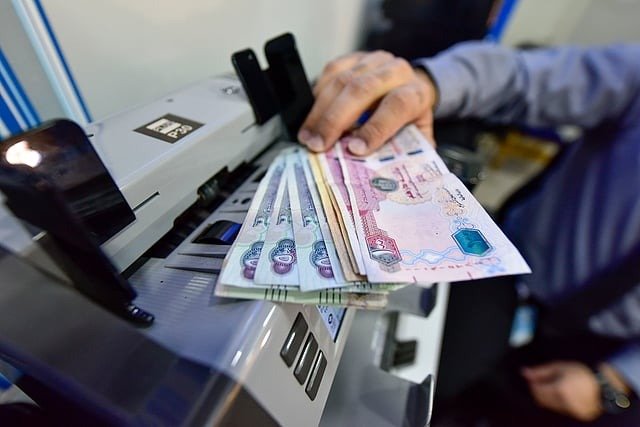
Asian Currencies Stay Weak, Boosting UAE Remittances
<h3><strong>Remit or Wait? UAE Expats Weigh Options as Asian Currencies Stay Weak</strong></h3><p>Dubai: Expatriates in the UAE are enjoying a favorable remittance window as the Indian rupee, Pakistani rupee, and Philippine peso continue to trade at weaker levels against the UAE dirham. This trend, observed through late October 2025, has increased the purchasing power of UAE-based workers who regularly send money to families back home.</p><p>According to the latest exchange rates on <strong>October 27, 2025</strong>, one UAE dirham fetched around <strong>₹23.9</strong> in India, <strong>₨76.67</strong> in Pakistan, and <strong>₱15.90</strong> in the Philippines. These rates mark minor day-to-day fluctuations but continue to reflect an overall weakening of Asian currencies against the dirham in recent weeks.</p><h4><strong>Weaker currencies benefit remitters</strong></h4><p>For millions of South Asian expatriates working in the UAE, lower home currency values mean that each dirham transferred buys more goods and services locally. This is especially crucial for families who depend on remittances for education, healthcare, and essential household needs.</p><p>Economists say the trend is partly driven by global factors such as high U.S. interest rates, volatile oil prices, and uneven economic recovery in emerging markets. These forces have kept pressure on regional currencies, particularly those tied closely to external trade and foreign investments.</p><p>“The UAE dirham, pegged to the U.S. dollar, has remained strong amid global uncertainties,” explained a Dubai-based forex analyst. “This stability benefits remitters but also requires careful timing to make the most of market fluctuations.”</p><h4><strong>Current snapshot of rates</strong></h4><p><strong>Indian Rupee (INR):</strong> 1 AED = ₹23.9<br>The Indian rupee has remained under pressure, influenced by foreign outflows and global risk aversion. While India’s economy remains resilient, investors have been cautious amid global market volatility.</p><p><strong>Pakistani Rupee (PKR):</strong> 1 AED = ₨76.67<br>The Pakistani rupee continues to face challenges from inflation and fiscal adjustments. Though the currency has stabilized compared to earlier in the year, it remains weak relative to the dirham, offering expatriates a good opportunity to remit.</p><p><strong>Philippine Peso (PHP):</strong> 1 AED = ₱15.90<br>The peso’s movement has been relatively stable, but inflation and slowing export demand have limited its strength. Filipino workers in the UAE are still benefiting from favorable remittance rates, especially ahead of the festive season.</p><h4><strong>To remit now or hold?</strong></h4><p>Many expatriates are debating whether to take advantage of the current rates or wait for potentially better returns. Currency experts suggest that predicting forex movements remains risky, as rates can shift quickly depending on geopolitical events, oil prices, and U.S. Federal Reserve decisions.</p><p>For most remitters, especially those with fixed monthly obligations, sending money consistently remains a safer strategy than trying to time the market. However, those planning larger transfers—such as for property investments or education—may find it worthwhile to monitor trends over the next few weeks.</p><h4><strong>Impact on UAE’s remittance market</strong></h4><p>The UAE remains one of the world’s largest sources of remittances, with billions of dirhams transferred annually to India, Pakistan, the Philippines, and other countries. Exchange houses across Dubai, Sharjah, and Abu Dhabi have reported steady remittance flows, particularly as expats prepare for year-end expenses.</p><p>“The current rates are encouraging people to send slightly higher amounts than usual,” said a representative from a leading UAE exchange firm. “Even a small difference in the rupee or peso rate can make a big impact for families back home.”</p><h4><strong>Outlook ahead</strong></h4><p>Looking ahead, analysts expect currency markets to remain volatile through the end of 2025. If U.S. interest rates stay elevated and global oil demand remains uncertain, emerging market currencies could face continued downward pressure. For UAE residents, this means more opportunities to send money home at favorable rates—but also the need to stay alert to sudden changes.</p><p>For now, with Asian currencies holding weak and the dirham maintaining strength, the remittance window remains wide open for expatriates across the UAE.</p>