

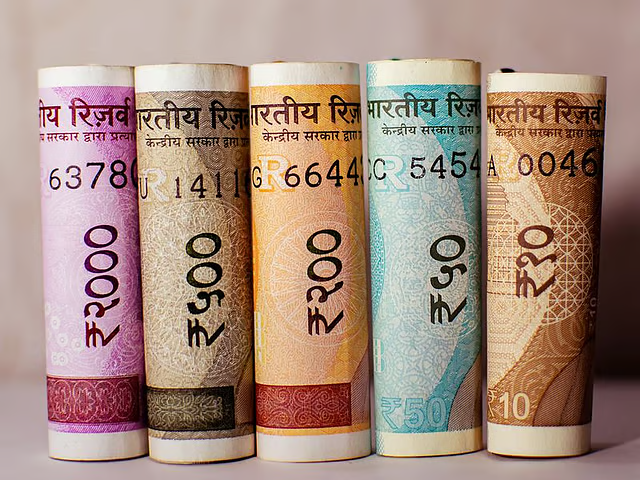
Indian rupee, Pakistani rupee and Philippine peso stay soft, lifting dirham value for expats. Remit now?
The recent softness in the Indian rupee, Pakistani rupee, and Philippine peso has significantly strengthened the UAE dirham in comparison. For expatriates living in United Arab Emirates, this shift has created an important financial opportunity—sending money home now yields higher value in local currencies.
Currency weakness in India, Pakistan, and Philippines is being driven by a mix of global and domestic factors. These include a strong US dollar, rising crude oil prices, global interest rate uncertainty, and capital outflows from emerging markets. Inflationary pressures and trade imbalances have further weighed on these currencies, keeping them under pressure.
Since the UAE dirham is pegged to the US dollar, it remains relatively stable. When home-country currencies weaken against the dollar, expats benefit because every dirham converts into more rupees or pesos. For families relying on overseas income, this can mean better support for daily expenses, education fees, healthcare costs, and savings or investments back home.
However, timing is crucial. Currency markets are volatile, and sudden policy changes, central bank interventions, or shifts in global economic sentiment can quickly reverse current trends. While many analysts expect continued pressure on Asian currencies in the near term, markets can change faster than expected.
For expats planning regular remittances or large transfers—such as for property purchases, business investments, or loan repayments—remitting now could be advantageous. Those who prefer a cautious approach may consider splitting transfers into smaller amounts over time to reduce risk.
In summary, the current weakness of the Indian rupee, Pakistani rupee, and Philippine peso has lifted the dirham’s purchasing power. For expats, this period offers a potentially rewarding remittance window, but decisions should align with personal financial goals and risk tolerance.