

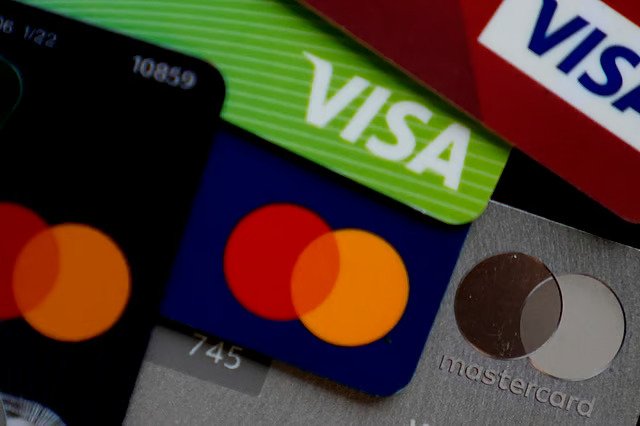
UAE banks to raise card fees: 7 smart ways to cut overseas spending costs
<h3>UAE Banks to Raise Card Fees: 7 Ways to Save on Overseas Spending</h3><p><strong>Dubai:</strong> UAE residents will soon face higher costs when using credit and debit cards abroad. Banks have announced a hike in <strong>foreign transaction fees from 2.09% to 3.14%</strong>, effective <strong>September 22, 2025</strong>.</p><p>For frequent travellers and online shoppers, this could add up quickly. For example, a Dh5,000 overseas purchase would now incur around <strong>Dh157 in extra charges</strong>. But there are strategies to minimise the impact.</p><h3>7 Ways to Reduce Overseas Card Costs</h3><p><strong>1. Choose zero-forex or low-forex fee cards</strong><br>Travel-focused cards can eliminate or reduce foreign transaction fees. Experts recommend reviewing the card’s <strong>terms for hidden costs</strong>, not just perks. Popular UAE options include: <strong>FAB Infinite Travel Card, FAB Low Rate Card, and ADCB Traveller Card</strong>.</p><p><strong>2. Opt for cashback cards</strong><br>If fees can’t be avoided, select a card offering <strong>cashback on international spends</strong>, such as <strong>Citi Cashback</strong> or <strong>Al Hilal Cashback Cards</strong>, to offset charges.</p><p><strong>3. Avoid Dynamic Currency Conversion (DCC)</strong><br>At ATMs or retail checkouts abroad, you may be asked to pay in AED instead of the local currency. Always <strong>choose local currency</strong>, as DCC can add <strong>5–7% extra costs</strong> on top of bank fees.</p><p><strong>4. Limit overseas ATM withdrawals</strong><br>Cash withdrawals abroad attract fees and ATM surcharges. Reduce costs by:</p><p>Withdrawing <strong>larger amounts less frequently</strong></p><p>Using cards with <strong>low or zero withdrawal charges</strong> abroad</p><p>Relying more on <strong>digital payments</strong></p><p><strong>5. Use prepaid multicurrency travel cards</strong><br>Prepaid travel cards allow you to <strong>lock in exchange rates</strong> and avoid forex markups. Options include <strong>Emirates NBD Go4it Card</strong> and fintech wallets like <strong>Revolut</strong> or <strong>Wise</strong>, which offer competitive rates and lower fees.</p><p><strong>6. Check your card fees before travelling</strong><br>Log in to your bank’s app or website to review:</p><p>Foreign transaction fee percentages</p><p>ATM withdrawal fees abroad</p><p>Hidden charges like <strong>currency settlement fees</strong></p><p>Planning ahead avoids surprises and helps manage travel budgets.</p><p><strong>7. Explore new solutions like Jaywan</strong><br>The UAE’s <strong>Jaywan payment card system</strong> is expected to expand internationally by late 2025, potentially offering <strong>lower overseas transaction costs</strong>.</p><h3>Consumer Trends: Smarter Card Choices</h3><p>According to Brijesh Kumar, Chief Business Officer at <strong>Paisabazaar.ae</strong>:<br><i>"Younger, digitally savvy UAE residents now prioritise zero-forex cards over reward-heavy options. Rising fees are pushing people toward multi-currency wallets, prepaid cards, and fintech solutions."</i></p><p>Despite higher fees, credit cards remain popular for benefits like:</p><p><strong>Fraud protection</strong> against unauthorised use</p><p><strong>Travel rewards</strong> including lounge access and insurance</p><p><strong>Refund support</strong> for disputes</p><p><strong>Bottom line:</strong> As foreign transaction fees rise, UAE residents can adopt <strong>low-fee cards, prepaid options, and smart payment practices</strong> to reduce the cost of overseas spending. Awareness and planning are key to keeping travel and online shopping budgets in check.</p>