

Asia Cup Trophy Dispute Likely to Dominate ICC Meeting in Dubai
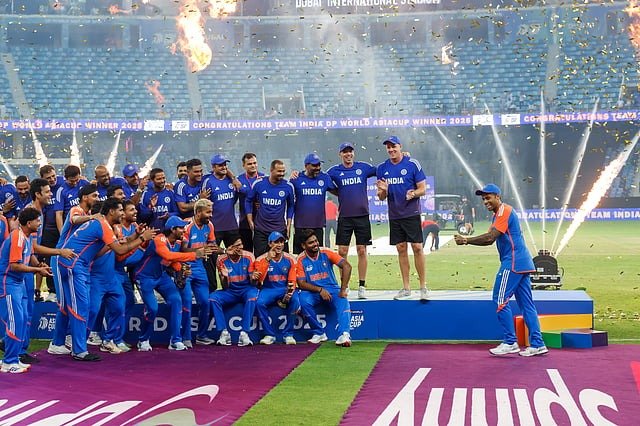
<h2><strong>Asia Cup Trophy Row Set to Dominate ICC Meeting in Dubai</strong></h2><p>The <strong>Asia Cup trophy controversy</strong> is expected to be a major talking point at the <strong>International Cricket Council (ICC) Executive Board meeting</strong> in Dubai this week. The <strong>Board of Control for Cricket in India (BCCI)</strong> is reportedly set to file a formal complaint against <strong>Pakistan Cricket Board (PCB)</strong> chairman <strong>Mohsin Naqvi</strong>, accusing him of breaching ICC governance and conflict-of-interest regulations.</p><p>According to reports, the BCCI has drawn up a comprehensive list of allegations that question Naqvi’s eligibility to simultaneously hold multiple public and cricket administrative roles — including <strong>President of the Asian Cricket Council (ACC)</strong>, <strong>PCB Chairman</strong>, and <strong>Pakistan’s Interior Minister</strong>. The Indian board argues that such dual responsibilities violate established ICC ethics and governance codes.</p><h2><strong>Trophy Tension: The Root of the Dispute</strong></h2><p>The row began after the <strong>DP World Asia Cup final</strong> in Dubai on <strong>September 28</strong>, when <strong>India defeated Pakistan</strong> to clinch the title. However, what followed the victory became the source of a diplomatic cricket standoff.</p><p>During the post-match ceremony, Indian captain <strong>Surya Kumar Yadav</strong> and his team <strong>refused to accept the trophy from Naqvi</strong>, reportedly citing political sensitivities and prior disagreements. Naqvi subsequently <strong>left the venue with the trophy</strong>, leaving the victorious Indian team celebrating with an <strong>“imaginary trophy”</strong> — a symbolic act captured in photos that quickly went viral on social media.</p><p>The situation drew sharp reactions from cricket fans and officials alike, as it marked an unprecedented moment in Asia Cup history — a final where the champions left without their trophy.</p><h2><strong>Failed Attempts to Resolve the Issue</strong></h2><p>In the days following the incident, Naqvi extended an offer to <strong>host a separate trophy presentation ceremony in Dubai</strong> on <strong>November 5</strong>, aiming to formally hand over the cup to the Indian team. However, the <strong>BCCI rejected the proposal</strong>, insisting that the trophy should have been awarded at the original ceremony and warning that the issue would be escalated to the ICC if it remained unresolved by <strong>November 3</strong>.</p><p>A senior BCCI source quoted by <strong>Telecom Asia Sport</strong> said the board viewed the situation as a serious breach of protocol and professionalism.</p><blockquote><p>“The matter has gone beyond the trophy — it’s about governance, transparency, and adherence to ICC norms,” the source said.</p></blockquote><h2><strong>Governance Questions and Dual Roles</strong></h2><p>At the heart of the BCCI’s complaint lies the question of <strong>Naqvi’s overlapping roles</strong> in government and cricket administration. The Indian board alleges that his simultaneous positions as a federal minister, national cricket board head, and ACC president create conflicts of interest that undermine the independence of regional cricket governance.</p><p>The <strong>ICC’s conflict-of-interest guidelines</strong> stipulate that board officials must act without bias or undue influence from political or governmental positions. The BCCI believes Naqvi’s political role could compromise decisions affecting the ACC and broader Asian cricket operations.</p><p>The <strong>Afghanistan Cricket Board (ACB)</strong> has reportedly signaled its support for India’s position, adding pressure on the ICC to investigate the claims formally.</p><h2><strong>Naqvi’s Possible Absence Adds Uncertainty</strong></h2><p>Earlier media reports suggested that <strong>Naqvi might skip the ICC meeting in Dubai</strong>, potentially to avoid confrontation with BCCI officials. However, as of Thursday, sources indicate that Naqvi may still attend, depending on diplomatic advice and internal PCB consultations.</p><p>If he does attend, the <strong>Asia Cup trophy issue</strong> is expected to be the first item raised by the BCCI delegation during the closed-door session. Observers say that how the ICC handles this controversy could set a precedent for future disputes involving cricket governance and political entanglement.</p><h2><strong>What Happens Next</strong></h2><p>The ICC is unlikely to make any immediate ruling during the ongoing meeting, but insiders say the issue may be referred to its <strong>Ethics and Governance Committee</strong> for formal review. Such a process would involve examining whether Naqvi’s dual roles breach ICC standards and whether disciplinary measures are warranted.</p><p>For now, the Asia Cup trophy remains unhanded, symbolizing a growing divide between the two cricketing boards. With relations between <strong>India and Pakistan</strong> already strained, this dispute adds another layer of tension to one of the sport’s most politically charged rivalries.</p><p>As cricket fans await clarity, one thing is certain: the so-called <strong>“trophy that went missing”</strong> has turned into a much larger conversation about transparency, accountability, and the intersection of politics and sport.</p>