

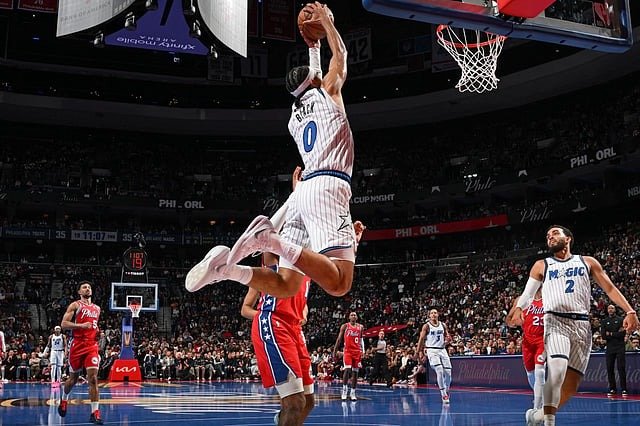
Emirates NBA Cup Ignites December Surge for Playoff Hopefuls
<p><strong>Emirates NBA Cup Emerges as a December Turning Point for Playoff Contenders</strong></p><p>The Emirates NBA Cup is fast becoming more than just an early-season tournament. As the 2025–26 edition moves into the quarter-finals on December 9, its growing impact on team confidence, competitive intensity, and playoff ambition is once again clear. What was once seen as an experiment is now proving to be a powerful catalyst, particularly for young and emerging teams looking to accelerate their growth.</p><p>Toronto, Orlando, Oklahoma City, the Los Angeles Lakers, New York Knicks, San Antonio Spurs, Miami Heat, and Phoenix Suns are the eight teams still standing. Each arrives with a different story, but all share the same belief: strong performances in December can lay the foundation for deep playoff runs later in the season.</p><h3>A Tournament That Shapes Seasons</h3><p>Now in its third year, the Emirates NBA Cup has shown a consistent pattern — teams that excel here often carry that confidence into the postseason. The Indiana Pacers and Oklahoma City Thunder remain the strongest examples of how early-season success can redefine expectations.</p><p>During the inaugural 2023 Cup, Indiana surprised the league with a run to the final. That experience helped fast-track their development, culminating in a historic appearance in the NBA Finals in 2025. The Cup gave a young roster belief, exposure, and a taste of elite competition long before the playoffs arrived.</p><p>Oklahoma City followed a similar script. Reaching the Cup final in 2024, the Thunder used that momentum to fuel a championship run later that season, securing the first NBA title in franchise history. For both teams, the Cup functioned as a pressure-tested launchpad rather than a distraction.</p><h3>Exactly What the NBA Intended</h3><p>According to NBA Executive Vice-President and Head of Basketball Operations James Jones, this impact is precisely what the league envisioned when the Emirates NBA Cup was introduced.</p><p>“This speaks to what the Cup has become in a short time,” Jones said. “We’re in our third year now, and it’s a staple of the calendar. Players, coaches, executives — everyone understands that this is something unique. Fans have embraced it, and we’re still building on it.”</p><p>Jones highlighted how the Cup creates a playoff-like environment months before the actual postseason. Every possession matters. Every win counts. That intensity, he believes, has raised the standard of competition league-wide.</p><h3>Parity on Full Display</h3><p>This season’s quarter-final field reflects the league’s growing parity. Toronto, Orlando, Oklahoma City, and the Lakers advanced with unbeaten records, while the Knicks, Spurs, Heat, and Suns qualified with strong 3–1 group-stage performances.</p><p>For Jones, that balance is one of the Cup’s biggest successes. “Every night, you have to compete. There are no easy games,” he said. “All of these matchups have meaning. That’s why it feels like playoff basketball so early in the season.”</p><p>The Cup has effectively erased the concept of “slow starts” for many teams. December is no longer just about settling rotations — it’s about proving competitiveness under pressure.</p><h3>Las Vegas and a Bigger Stage</h3><p>The tournament will culminate in Las Vegas, with semi-finals scheduled for December 13 and the final on December 16. The neutral-site finish adds another layer of intensity, replicating the high-stakes atmosphere teams typically experience late in the playoffs.</p><p>Jones expressed optimism about this year’s contenders. “This is a really strong mix — young teams, veteran-led squads, superstar talent, and emerging stars. The ceiling is high.”</p><h3>Learning Before the Playoffs Begin</h3><p>NBA legend Vince Carter has praised the Cup for the opportunities it creates for young players. In his view, the tournament offers something the league lacked for decades: meaningful, pressure-driven games outside the playoffs.</p><p>“I love the Cup because it gives young teams a sneak peek at playoff basketball,” Carter said. “You get to see how your team reacts, how players handle pressure. Back when I was playing, you didn’t learn that until you were actually in the playoffs — and sometimes that lesson was very brief.”</p><p>Carter recalled how his own team struggled early in their playoff experiences, noting that exposure matters. The Emirates NBA Cup helps shorten that learning curve.</p><h3>Eight Teams, Eight Different Paths</h3><p>Each of the remaining teams brings a unique storyline into the knockout rounds. Oklahoma City arrives with champion confidence and a system already proven under pressure. The Lakers, powered by a resurgent Luka Dončić and the return of LeBron James, look increasingly dangerous as they find rhythm.</p><p>Toronto and Orlando have been two of the season’s most intriguing surprises, blending youth, energy, and defensive intensity. San Antonio continues to build patiently around a developing core, while Phoenix leans on Devin Booker’s elite scoring and leadership.</p><p>New York, fresh from an Eastern Conference Finals appearance last season, sees the Cup as a chance to sharpen habits and reinforce belief. Miami, as always, remains built for high-stakes moments, with a culture that thrives when the pressure rises.</p><h3>December That Can Change April</h3><p>What unites all eight teams is a shared understanding shaped by recent history: success in the Emirates NBA Cup can echo all the way into the playoffs. Confidence gained now can become composure later. Tough wins in December can translate into resilience in April.</p><p>The Cup has reshaped how teams view the early season. It’s no longer just about experimentation — it’s about opportunity. And as Indiana and Oklahoma City have already proven, those who seize the moment early often find themselves playing for much more when the postseason arrives.</p><p>As the quarter-finals tip off, the message across the league is clear: December momentum matters — and the Emirates NBA Cup is where it starts.</p>