

Blood Moon 2025: Myths vs. Science
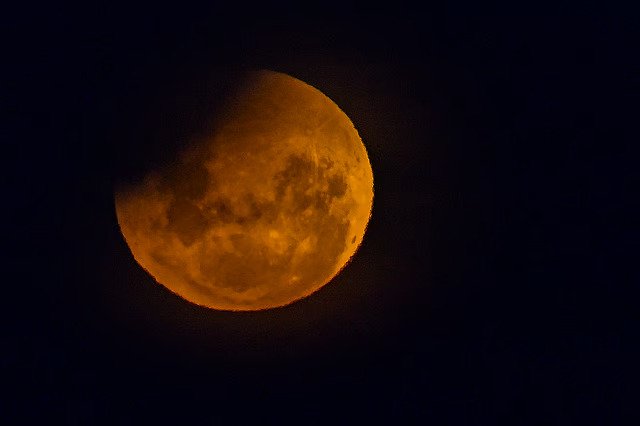
<p><strong>Dubai, UAE – September 7, 2025:</strong> Tonight, a spectacular total lunar eclipse — popularly known as the Blood Moon — will light up the skies across the UAE, Saudi Arabia, and much of the Arab world. One of the longest lunar eclipses in recent years, the Moon will glow a striking crimson as Earth’s shadow sweeps across its surface. While stargazers gear up for the cosmic display, the event also revives centuries-old myths about food, health, and pregnancy — beliefs experts confirm are purely superstitious.</p><p><strong>The Science Behind the Blood Moon</strong><br>Astronomically, a lunar eclipse occurs when Earth passes directly between the Sun and the Moon, casting its shadow onto the lunar surface. The Moon’s red hue — the “blood” effect — results from sunlight filtering through Earth’s atmosphere. Unlike solar eclipses, lunar eclipses are safe to watch with the naked eye.</p><p><strong>Debunking Popular Myths</strong></p><p><strong>Pregnancy:</strong> Folklore cautions expectant mothers against going outdoors during an eclipse, claiming it could affect the baby’s appearance. Science confirms that a child’s traits are dictated by DNA, not lunar events.</p><p><strong>Food Safety:</strong> Some traditions avoid cooking or eating during an eclipse, fearing contamination. In reality, eclipses have no impact on food or water.</p><p><strong>Health:</strong> There is no evidence linking eclipses to anxiety, mood changes, or physical harm.</p><p><strong>Disasters:</strong> Eclipses are often blamed for earthquakes or floods, but astronomy finds no connection.</p><p><strong>Nature:</strong> Reports of unusual behavior in plants or animals remain anecdotal and unproven.</p><p><strong>Eclipses in Culture and History</strong><br>Across civilizations, lunar eclipses were historically seen as ominous signs. In India, families avoided cooking or using sharp objects; Ancient Egyptians imagined the Moon being devoured; Chinese mythology spoke of a dragon biting the Moon; Aboriginal Australians linked eclipses to imbalance or disease. While these tales reflect cultural heritage, modern science has debunked them all.</p><p><strong>UAE Eclipse Experience</strong><br>Residents in Dubai, Abu Dhabi, and Ras Al Khaimah will enjoy the best views, with the eclipse peaking late on September 7 and extending into the early hours of September 8. Special prayers in mosques will also mark the event, highlighting its spiritual significance in Islamic culture.</p><p><strong>Bottom Line</strong><br>A lunar eclipse is simply a mesmerizing interplay of light and shadow in space. Food is safe, pregnancies are unaffected, and health is not at risk. The only thing to worry about is missing the chance to step outside and watch the Moon turn red — a rare celestial spectacle to admire, not fear.</p>