

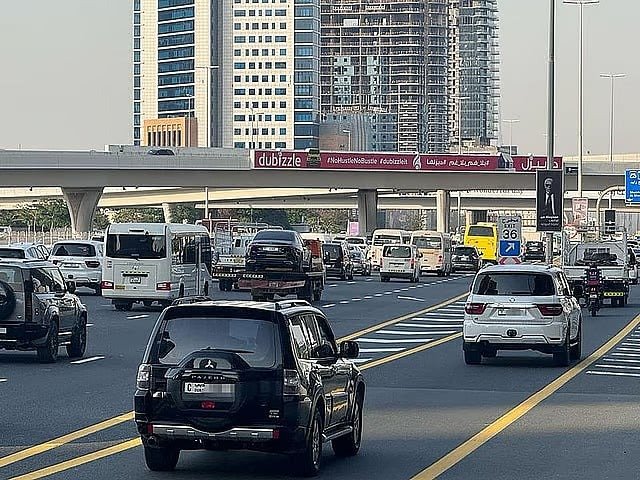
Morning Gridlock: Heavy Traffic Hits Dubai and Abu Dhabi
Morning Rush Hour Brings Major Traffic Delays Across UAE Cities
Dubai and Abu Dhabi drivers faced another difficult commute on Monday morning, October 27, 2025, as rush-hour congestion gripped the UAE’s main highways. According to real-time Google Maps data, heavy traffic was reported across both emirates, particularly on routes connecting Sharjah, Ajman, and Dubai. The situation led to significant slowdowns, stop-start movement, and extended travel times for thousands of motorists making their way to work.
Authorities and navigation apps urged drivers to plan ahead, use live traffic tools, and allocate extra time for their morning journeys as the congestion stretched across multiple arterial roads.
Traffic Woes in Dubai
Dubai saw the most severe impact, especially for inbound traffic from Sharjah and Ajman — a persistent issue at the start of every working week.
The Sheikh Mohammed Bin Zayed Road (E311) and Emirates Road (E611) both experienced heavy congestion from the early hours. Vehicles were moving at crawling speeds along the Sharjah border, with the tailback extending through key residential zones like Muhaisnah and Mirdif. Commuters reported delays of up to 45 minutes longer than usual during peak time.
Meanwhile, Sheikh Zayed Road (E11), one of Dubai’s busiest corridors, was also heavily congested. The slowest stretch was recorded between the World Trade Centre and Dubai Marina, affecting both business and leisure commuters. Al Khail Road, another vital artery, faced bottlenecks near Dubai Festival City and the Business Bay Corridor, as vehicles merged onto central Dubai routes.
Motorists traveling through Deira and Bur Dubai also reported delays due to traffic buildup near intersections and signal-controlled crossings, adding to the overall morning frustration.
Abu Dhabi Sees Steady but Slower Traffic Flow
In the capital, traffic remained dense but more manageable compared to Dubai. However, the typical peak-hour congestion was still evident near the city’s major bridges and entry routes.
The Mussafah Bridge and Al Maqta Bridge recorded heavy inflows of traffic as commuters headed toward central Abu Dhabi. These two routes, which serve as the city’s main access points, often become bottlenecks during morning and evening rush hours.
Officials reminded drivers that variable speed limits remain active on several roads for safety reasons. On Sheikh Tahnoon Bin Mohammed Road, a temporary 80 km/h limit was enforced following a recent accident, ensuring smoother and safer vehicle movement. Similarly, the automated variable speed system on Sheikh Zayed Bin Sultan Road remains operational, with overhead digital boards adjusting speed limits in real time according to traffic density and weather conditions.
Commuters Urged to Plan Ahead
Traffic authorities continue to emphasize the importance of route planning and adherence to speed limits during peak traffic hours. With the UAE’s urban centers expanding and vehicle numbers increasing, congestion during key travel periods remains a challenge — particularly on Mondays when many commuters return from weekend breaks.
Experts suggest using alternative routes, traveling earlier where possible, and relying on real-time navigation updates to avoid high-density zones. Motorists are also advised to maintain safe distances and remain patient in congested areas, especially near merging lanes and intersections where accidents are more likely to occur.
The morning gridlock serves as a reminder of the UAE’s growing urban mobility demands, prompting continued investments in public transport networks, smart traffic management, and variable speed control systems to ease road congestion and enhance safety.
As of mid-morning, traffic authorities reported gradual improvement in flow across some parts of Dubai and Abu Dhabi, though delays persisted on key routes into business districts.