

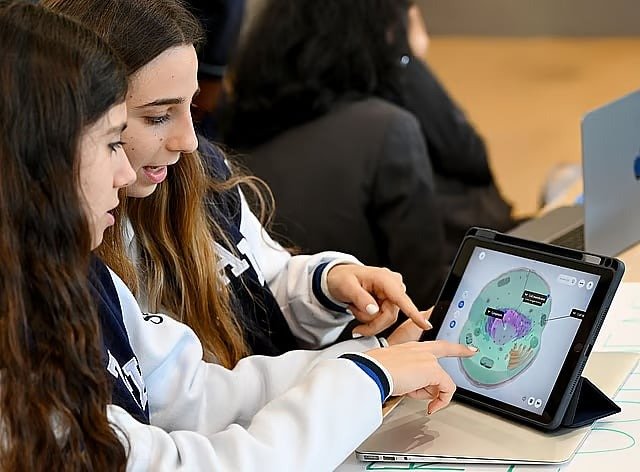
UAE Schools Tighten Digital Use Rules to Protect Students
UAE Schools Implement Strict Digital Policy to Ensure Safe Learning Environment
Abu Dhabi, UAE – Schools across the United Arab Emirates have introduced a comprehensive Acceptable Use Policy (AUP) to regulate students’ use of digital devices, the internet, and online resources. The move aims to safeguard children, promote responsible digital behavior, and ensure that technology is used strictly for educational purposes.
Under the new policy, students are required to read and sign a pledge committing to follow the rules, which are designed to create a balanced, secure, and disciplined learning environment.
Key Objectives of the Policy
The AUP emphasizes student safety and ethical use of technology, focusing on:
Protection of personal information: Sharing personal data is strictly prohibited without consent.
Respect for privacy: Using cameras or sharing images requires prior approval.
Safeguarding reputation: Posting harmful content about the school, country, or individuals is banned.
Cybersecurity: Hacking, unauthorized data access, and spreading malicious files are strictly forbidden.
Intellectual property: Students must not copy or distribute copyrighted materials without permission.
Promoting Ethical Online Behavior
The policy also underscores values such as respect, discipline, and responsibility. It bans hate speech, harassment, cyberbullying, and offensive communication. Non-educational use of school networks, such as gaming or accessing unauthorized websites, is restricted unless approved by teachers.
Consequences for Violations
Students who misuse digital resources face disciplinary measures, ranging from warnings to restricted network access, depending on the severity of the offense. Signing the pledge reinforces personal accountability and awareness of online responsibilities.
Prohibited Activities Include:
Sending threatening or harassing emails
Posting inappropriate images
Pirating movies, music, or software
Sharing or misusing passwords
Accessing pornographic or discriminatory websites
Introducing viruses or malware
Cyberbullying or online impersonation
Parental Support Critical
Schools have highlighted the role of parents in reinforcing the policy. Parents are encouraged to monitor digital habits at home and teach responsible internet use, ensuring a consistent approach between school and home.
Balancing Technology and Safety
The UAE has been a global leader in integrating technology into education. The AUP balances innovation with safety, encouraging access to digital learning while preventing misuse. By setting clear boundaries, schools are preparing students for a future where digital literacy and responsible technology use are essential skills.
Conclusion
The new Acceptable Use Policy reflects the UAE’s commitment to nurturing a safe, ethical, and future-ready generation of learners. Through collaboration between schools, students, and parents, the education system is ensuring that technology serves as a tool for learning, not a source of risk.