
Israel-Lebanon Tensions Rise Again as Iran-US Ceasefire Faces Fresh Challenges
The fragile ceasefire efforts between Iran and the United States are facing growing uncertainty as military tensions continue to escalate across the Middle East. Fresh Israeli airstrikes in Lebanon, combined with renewed accusations between Tehran and Washington, have increased fears that the region could slide back into a wider conflict.
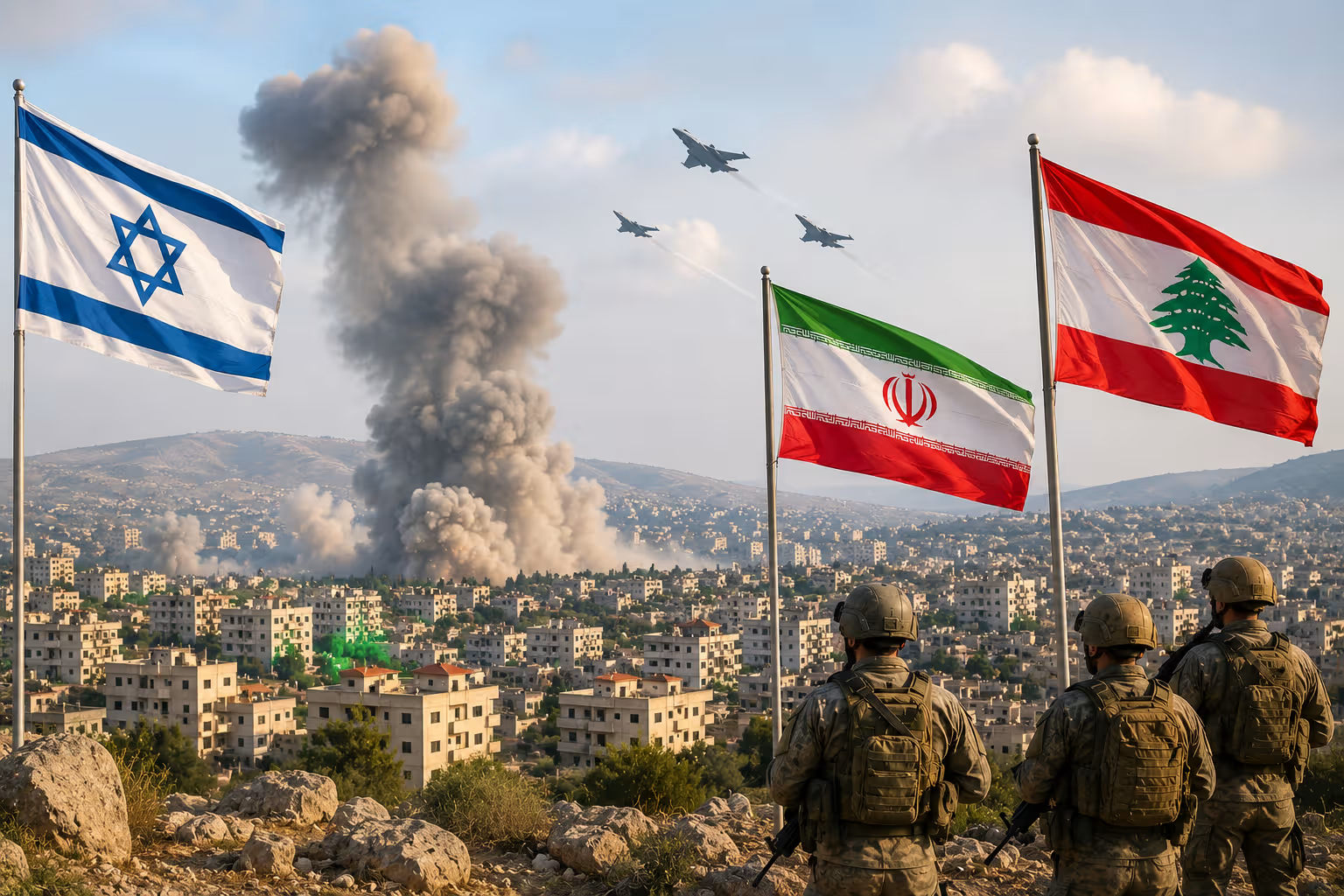
According to regional reports, Israel has intensified its military campaign against Hezbollah targets in southern Lebanon, carrying out one of the heaviest waves of attacks seen in recent weeks. Lebanese officials reported multiple casualties following air raids on several towns and villages near the border region.
Israeli Prime Minister Benjamin Netanyahu reportedly ordered an expansion of military operations, saying the goal is to weaken Hezbollah’s military infrastructure and improve security conditions near Israel’s northern border. The latest developments come despite ongoing diplomatic efforts aimed at maintaining a ceasefire agreement that was introduced earlier this year.
Meanwhile, Iran has accused the United States of violating the ceasefire after new American strikes reportedly targeted missile facilities and military positions near the Strait of Hormuz. Iranian officials described the attacks as a “serious breach” of ongoing negotiations and warned that Tehran reserves the right to respond if tensions continue to rise.
Despite the accusations, diplomatic discussions between Iran and the US are still continuing through regional mediators, including Qatar and Pakistan. Sources involved in the talks say both sides are attempting to reach a broader agreement that could reduce military tensions and restore stability to key shipping routes in the Gulf region.
One of the biggest concerns for the international community remains the Strait of Hormuz, one of the world’s most important oil shipping corridors. Ongoing instability in the region has already affected global energy markets, with oil prices witnessing fresh volatility amid fears of supply disruptions.
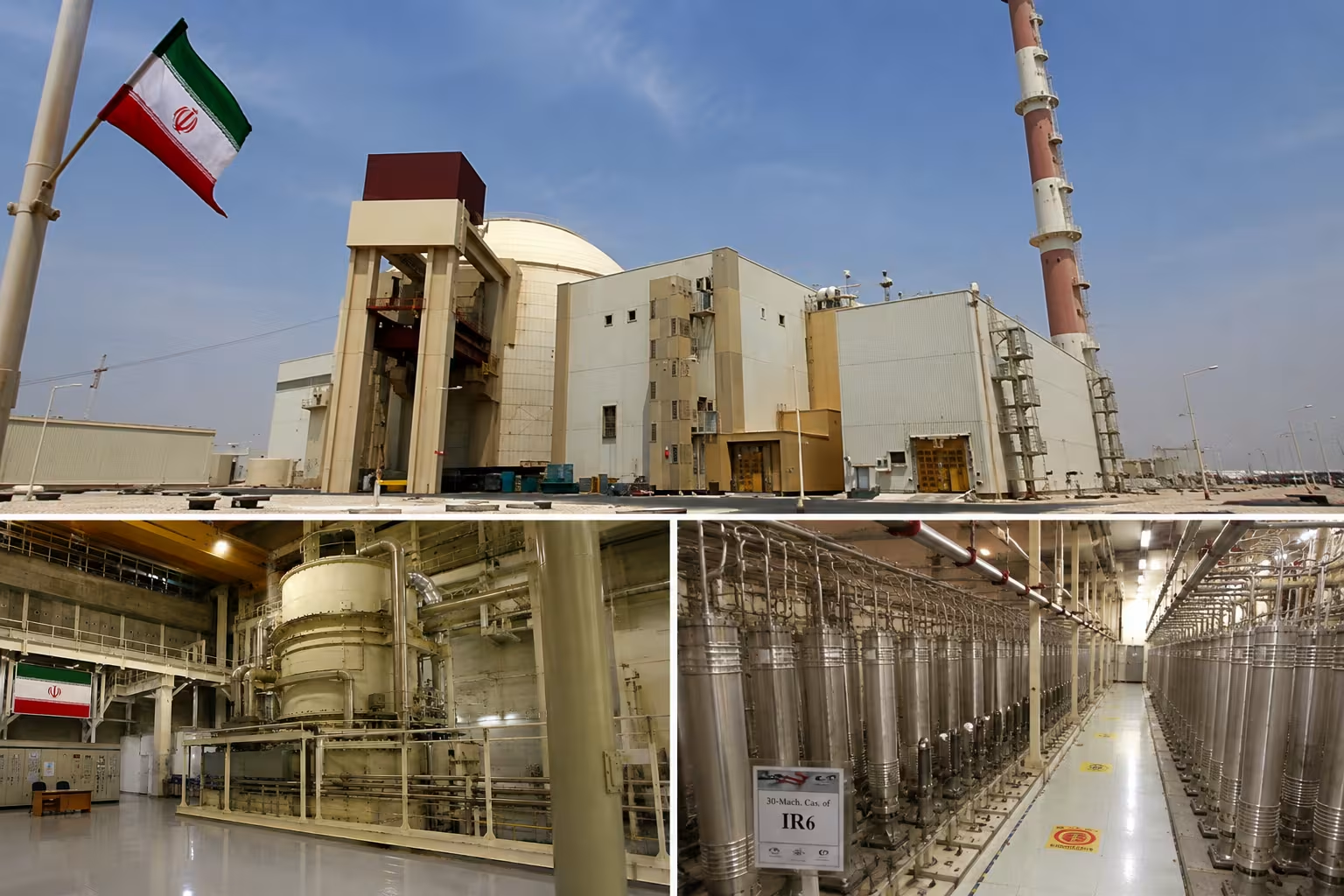
Reports suggest that negotiators are discussing a temporary framework that may include the reopening of maritime routes, a reduction in military activities, and gradual economic relief measures for Iran. However, major disagreements reportedly remain over sanctions, regional security, and Iran’s nuclear programme.
At the same time, the conflict in Lebanon has become a major obstacle to peace efforts. Hezbollah has continued launching drones and rockets toward Israeli positions, while Israeli forces have increased both air and ground operations in southern Lebanon. Analysts believe the Lebanon front could become the biggest threat to any future US-Iran understanding.
Humanitarian concerns are also growing rapidly. International organisations have warned that continued violence is placing civilians at serious risk, especially in Lebanon and Gaza, where infrastructure damage and displacement continue to increase. Aid agencies fear that a prolonged conflict could worsen food shortages, economic instability, and refugee pressures across the region.
Political observers say the situation remains extremely delicate. While diplomatic channels remain open, repeated military escalations from multiple sides are making negotiations increasingly difficult. Regional leaders are now under pressure to prevent the conflict from expanding further into a broader Middle East crisis.
Officials involved in the negotiations continue to express cautious optimism, but experts warn that without immediate de-escalation measures, the ceasefire process could collapse entirely. As tensions rise across Lebanon, Iran, Israel, and the Gulf region, the coming days are expected to play a crucial role in determining whether diplomacy can still prevent another major regional war.