
UAE Doctors Warn: Influenza A May Cause Nausea and Vomiting in Children
UAE Doctors Warn of Nausea and Vomiting in Children With Influenza A
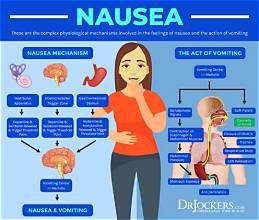
Doctors in the United Arab Emirates have warned parents that children affected by Influenza A may experience digestive symptoms such as nausea, vomiting, diarrhoea and abdominal discomfort, along with common flu symptoms.
According to paediatric specialists quoted by Khaleej Times on October 19, 2026, most children recover from the acute infection within five to seven days. However, some may continue to experience coughing, tiredness, weakness and reduced appetite for one to two weeks after their fever subsides.
Why Symptoms May Continue After Fever
Influenza A is a contagious viral infection that can affect children's respiratory systems and overall well-being. Doctors say that fatigue, persistent coughing and reduced appetite may continue during recovery.
Children with asthma, underlying medical conditions or complications may require additional time to recover. Digestive discomfort may also be associated with reduced food intake, dehydration or certain medications.
When Should Parents Seek Medical Help?
Doctors advise parents to monitor their children's overall condition, fluid intake and urination rather than focusing on appetite alone.
Medical advice should be sought if a child has persistent vomiting, severe abdominal pain, bloody diarrhoea, continuing weight loss or unusual weakness. Reduced urination, a dry mouth and the absence of tears while crying can indicate dehydration.
Parents should seek urgent medical attention if a child experiences difficulty breathing, significant dehydration or unusual drowsiness. Medical advice is also important if fever or coughing initially improves and then returns or worsens.
How Can Parents Help Children Recover?
Doctors recommend allowing children sufficient rest, encouraging regular fluid intake and gradually returning to normal eating habits as symptoms improve.
Children who are acutely unwell should stay home and limit close contact with others to reduce the spread of infection. According to the advice reported in the article, children should return to normal activities when symptoms are improving overall and they have been fever-free for at least 24 hours without fever-reducing medication. Additional precautions around others are recommended for the following five days.
Influenza Vaccination Remains Important
Doctors have also highlighted the importance of annual influenza vaccination to help protect children against flu and its complications. Protection takes approximately two weeks to develop, and vaccination is updated annually to account for changing influenza viruses.
Parents should pay particular attention to children under five years of age and those with underlying medical conditions, as they are at greater risk of flu-related complications.
The information in this report is based on a Khaleej Times article published on October 19, 2026.
Related News