

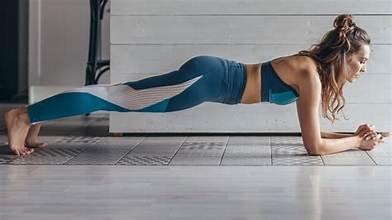
15 Benefits of Doing Planks Every Day for Your Health and Fitness
15 Benefits of Doing Planks Every Day for Your Health and Fitness
Planks are a popular bodyweight exercise that can be performed almost anywhere without special equipment. They engage several muscle groups simultaneously, making them a useful addition to a balanced fitness routine.
When performed with proper technique and gradually increased duration, planks can help improve core strength, stability and muscular endurance. Here are some important benefits of including planks in your regular workout routine.
1. Strengthens Core Muscles
Planks primarily engage the abdominal muscles, including the transverse abdominis and rectus abdominis. A stronger core supports everyday movements and helps maintain stability during exercise.
2. Improves Abdominal Muscle Endurance
Holding a plank challenges your abdominal muscles to maintain tension over time. Regular practice can improve muscular endurance, allowing you to maintain a stable position during physical activities.
3. Supports Better Posture
A strong core helps support the spine and maintain proper body alignment. Planks can complement other exercises that develop the muscles responsible for posture.
4. Improves Body Stability
Planks require you to keep your body steady while supporting your weight. This makes them useful for developing stability during daily movements and other workouts.
5. Engages Multiple Muscle Groups
Although planks are known as an abdominal exercise, they also engage the shoulders, back, glutes and legs. This makes them an efficient exercise for training several muscle groups together.
6. Helps Develop Shoulder Stability
The shoulders work to support the upper body during a plank. Proper technique can help develop muscular endurance around the shoulder area.
7. Activates the Glute Muscles
Keeping your hips aligned and your glutes engaged during a plank helps activate the muscles around your hips. These muscles contribute to stability and everyday movement.
8. Supports Lower Back Stability
The core muscles help stabilise the trunk during movement. Planks can contribute to core conditioning when performed correctly, although they are not a guaranteed treatment for back pain.
9. Requires No Special Equipment
One of the biggest advantages of planks is their simplicity. You generally need only a small amount of floor space and a comfortable surface.
10. Can Be Adapted to Different Fitness Levels
Beginners can start with a wall plank or a knee plank before progressing to a standard forearm plank. People with more experience can explore variations suited to their abilities.
11. Encourages Better Body Awareness
Maintaining a straight body position requires attention to your hips, shoulders and spine. With practice, you may become more aware of your body alignment during exercise.
12. Fits Into a Busy Schedule
Planks can be included in a short home workout or used as part of a longer strength-training session. There is no need to spend a long time exercising for every session to be useful.
13. Complements Other Exercises
Planks can support a balanced fitness programme that includes walking, resistance training, mobility exercises and other forms of physical activity.
14. May Support General Fitness Goals
Core training is one part of overall fitness. Combining planks with regular physical activity, adequate sleep and balanced nutrition can help support general health and physical performance.
15. Builds Consistency and Exercise Discipline
Adding a manageable core exercise to your weekly routine can help you establish a consistent workout habit. Progress should be based on good technique and comfort rather than simply holding a plank for as long as possible.
How to Perform a Plank Correctly
Start by lying face down on a comfortable exercise mat.
Place your elbows directly beneath your shoulders.
Extend your legs and support your body on your forearms and toes.
Keep your head, back and hips aligned.
Gently engage your abdominal and glute muscles.
Breathe normally and avoid allowing your hips to sag or rise too high.
Stop when you can no longer maintain proper form.
Beginners can start with short holds of around 10–20 seconds and gradually increase the duration as their strength and technique improve. A knee plank is another option if the standard version is too challenging.
Are Daily Planks Necessary?
Planks can be practised regularly, but doing them every day is not essential for everyone. Your training frequency should depend on your fitness level, recovery and other exercises. Allow yourself time to recover if your muscles feel tired or sore.
Planks alone do not guarantee six-pack abs or significant fat loss. Visible abdominal definition depends on several factors, including genetics, overall activity and individual body composition.
Safety Tips to Remember
Maintain proper technique, breathe normally and avoid pushing through pain. If you experience discomfort in your back, shoulders or wrists, stop and consider an easier variation. Anyone with an existing injury or medical concern should seek advice from a qualified healthcare professional before starting a new exercise programme.
Final Thoughts
Planks are a simple and accessible way to train your core muscles and develop stability. By choosing an appropriate variation, maintaining correct form and combining the exercise with a balanced fitness routine, you can make planks a useful part of your regular physical activity.
Photo Gallery

Related News