

Gulf Countries Need Joint Missile Defence System to Respond to Attacks, Says UAE Expert
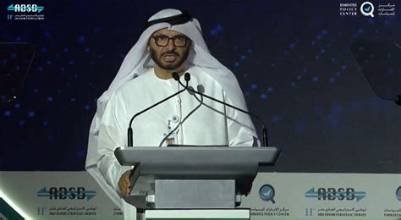
Gulf countries need a joint air and missile defence system to respond more effectively to regional security threats, according to Dr Mohammed Ibrahim Al Dhaheri, Deputy Director-General of the Anwar Gargash Diplomatic Academy and an advisor at the UAE Ministry of Foreign Affairs.
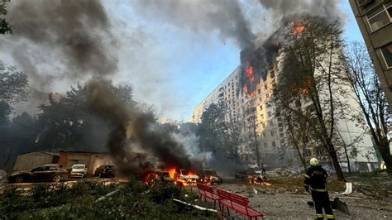
The proposal comes amid rising security concerns following reported attacks on Saudi Arabia, including incidents involving King Khalid International Airport in Riyadh on October 10 and 11, 2026, and a strike targeting an administrative building at Saudi Aramco's headquarters in Dhahran on October 13.
GCC Countries Urged to Strengthen Defence Cooperation
Dr Al Dhaheri said the security of Gulf countries is closely interconnected and that an attack on one member affects the wider region. He called for existing Gulf Cooperation Council (GCC) defence agreements to be translated into stronger operational cooperation.
The six GCC members are the United Arab Emirates, Saudi Arabia, Bahrain, Kuwait, Oman and Qatar.
The GCC already has a Joint Defence Agreement signed in 2000, which treats aggression against one member state as aggression against all. Other defence mechanisms include the Joint Defense Council, the Unified Military Command, the Peninsula Shield Force and joint naval cooperation.
How a Joint Missile Defence System Would Work
Under the proposed system, radar networks across all six countries would share information through a common platform. This would help military operations centres detect incoming threats, track missile launches and coordinate responses in real time.
A shared early-warning network would also alert participating countries when ballistic missiles are detected.
However, the systems acquired by different countries from international defence partners would need to communicate effectively. Secure communication networks, compatible radar technology and agreed operational procedures would be essential for successful coordination.
Different Defence Systems for Missiles and Drones
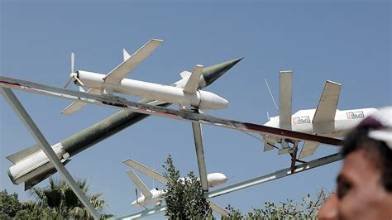
The UAE expert highlighted the importance of a layered defence system that can respond to different types of threats.
Dedicated counter-drone technologies could be used against relatively inexpensive unmanned aerial vehicles, while advanced interceptors could be reserved for ballistic missile threats.
He also noted that developing regional defence industries could help Gulf countries strengthen their security capabilities and reduce reliance on external suppliers.
Cooperation Beyond Military Security
Regional cooperation would also involve protecting essential infrastructure and maintaining the movement of goods during crises.
The UAE, Saudi Arabia and Oman have helped support regional supply routes when shipping through the Strait of Hormuz has faced disruption. The GCC's interconnected electricity grid is another example of cooperation among member states.
Future water connections and strategic reserves could further improve regional resilience during emergencies.
Diplomatic coordination is also an important part of collective security. Dr Al Dhaheri pointed to joint Gulf diplomatic efforts at the United Nations as an example of countries working together on regional concerns.
Funding and Implementation Remain Key Challenges
Although GCC countries have already agreed on several defence initiatives, the main challenge is implementing them effectively.
Dr Al Dhaheri said that dedicated funding, clear deadlines and continued political oversight would be necessary to turn existing commitments into operational capabilities.
At the same time, he stressed that stronger military cooperation would not require individual countries to surrender their independence in defence and foreign policy decisions.
Each GCC member would retain its strategic autonomy while contributing to a more coordinated regional security framework.
The latest debate highlights the growing importance of integrated defence, intelligence sharing and regional cooperation as Gulf countries seek to respond to evolving missile and drone threats.
Photo Gallery

Related News