
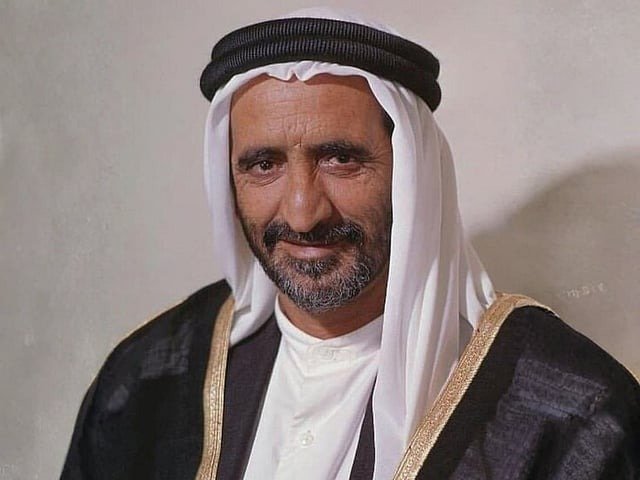
Remembering Sheikh Rashid bin Saeed, the visionary who shaped Dubai's future
October 7, 2025 Dubai
Remembering Sheikh Rashid bin Saeed: The Visionary Who Built the Foundations of Modern Dubai
Thirty-five years after his passing, Sheikh Rashid bin Saeed Al Maktoum’s foresight continues to guide Dubai’s transformation — from a humble trading port to a global metropolis.
Making history by turning the impossible into reality is the hallmark of great leaders — and Sheikh Rashid bin Saeed Al Maktoum (1912–1990) stands among the most extraordinary of them. Thirty-five years since his passing on October 7, 1990, his influence continues to shape every skyline, street, and success story of Dubai. His life’s work remains an enduring testament to vision, discipline, and boundless ambition.
As the eighth ruler of the Al Maktoum family, Sheikh Rashid led Dubai from 1958 to 1990, overseeing its transformation from a modest trading town into a thriving modern city. A man of deep intellect, humility, and resolve, he combined generosity with foresight — building institutions, infrastructure, and a culture of progress that still defines Dubai today.
Early Vision: Foundations of Modern Governance (1939–1958)
Sheikh Rashid’s vision began long before he ascended to power. As Crown Prince in 1939, he took an active role in city affairs, modernizing governance and improving daily life.
1941: Established Dubai’s first Postal Office, improving communication and trade.
1949: Opened Al Maktoum Hospital, marking the beginning of organized healthcare in the emirate.
1954: Signed an agreement with the Imperial Bank of Iran to employ UAE nationals — an early step toward empowering the local workforce.
1958: Formed Dubai’s first Municipal Council, laying the groundwork for urban planning, sanitation, and civic infrastructure.
When Sheikh Rashid became ruler in 1958, he inherited a city with limited resources but unlimited potential. He famously warned that Dubai must plan for a future beyond oil, saying:
“My grandfather rode a camel, my father rode a camel, I drive a Mercedes, my son drives a Land Rover, his son will drive a Land Rover — but his son will ride a camel.”
This foresight would define his reign, steering Dubai toward economic diversification decades before it became a global model for sustainable development.
Architect of a Global City (1959–1983)
Sheikh Rashid’s genius lay in infrastructure — he understood that great cities are built on strong foundations. His era was marked by a wave of visionary projects that reshaped the emirate’s identity:
1959–60: Began the Dubai Creek Dredging Project, enabling larger vessels and boosting trade.
1960: Inaugurated Dubai International Airport, now among the world’s busiest.
1963: Opened Al Maktoum Bridge, linking Bur Dubai and Deira — the city’s first permanent crossing.
1963: Founded the National Bank of Dubai, the emirate’s first national financial institution.
1966: Oversaw the discovery of oil, channeling revenues into healthcare, education, and welfare rather than luxury.
1972: Completed Port Rashid, followed by Jebel Ali Port (1976–79) — today one of the largest man-made harbours in the world.
1978: Built the Dubai World Trade Centre, the first skyscraper on Sheikh Zayed Road and a symbol of Dubai’s future.
1983: Completed Dubai Drydocks, cementing Dubai’s place in the global maritime industry.
These landmark projects positioned Dubai as a regional leader in trade, logistics, and innovation long before globalization became a buzzword.
Architect of Unity: Building the Nation
Sheikh Rashid’s vision extended beyond Dubai’s borders. In 1968, he met Sheikh Zayed bin Sultan Al Nahyan at Saih Al Sadeera, on the Abu Dhabi–Dubai border, to discuss forming a federation. That pivotal meeting led to the establishment of the United Arab Emirates in 1971 — a union Sheikh Rashid helped nurture with devotion and wisdom.
As the UAE’s first Vice-President (1971–1990) and later Prime Minister (1979–1990), Sheikh Rashid played an essential role in shaping national unity and cooperation between the emirates.
A Legacy of Compassion and Tolerance
Despite his grand ambitions, Sheikh Rashid never lost touch with the people. He was known for his humility, accessibility, and kindness toward citizens and expatriates alike. His open-door policy earned him the love of all who lived under his leadership.
A strong advocate of education and women’s empowerment, he once said:
“If women succeed in education, they will know how to help the UAE. One day, I foresee women playing a vital role in the economy, society, and government.”
He also championed religious tolerance, setting the foundation for Dubai’s culture of coexistence — a hallmark of the city’s success today.
An Enduring Vision
From the Dubai Creek to Jebel Ali Port, and from the first hospital to the World Trade Centre, Sheikh Rashid’s fingerprints are everywhere. His belief in planning beyond his lifetime gave Dubai the momentum to become a world capital of progress and innovation.
Thirty-five years on, his son His Highness Sheikh Mohammed bin Rashid Al Maktoum, the current Ruler of Dubai, continues to advance that same vision — a legacy of ambition built on wisdom, humanity, and hope.
As Dubai looks toward the future, Sheikh Rashid’s spirit remains woven into the city’s fabric — a constant reminder that great cities are not built by chance, but by the vision of those who dare to dream far ahead.
Short Summary:
Thirty-five years after his passing, Sheikh Rashid bin Saeed Al Maktoum’s visionary leadership remains the foundation of Dubai’s success. His foresight in infrastructure, governance, and unity transformed a small Gulf town into a world-renowned metropolis — and his values continue to guide the UAE’s future.

UAE camping rules explained: Permits, fines and safety guidelines
Before pitching your tent this winter, learn about UAE’s camping laws, permit requirements, environmental rules, and safety precautions to ensure a worry-free outdoor experience.
Abu Dhabi Police offer up to 35% flexible traffic fine discounts under new program
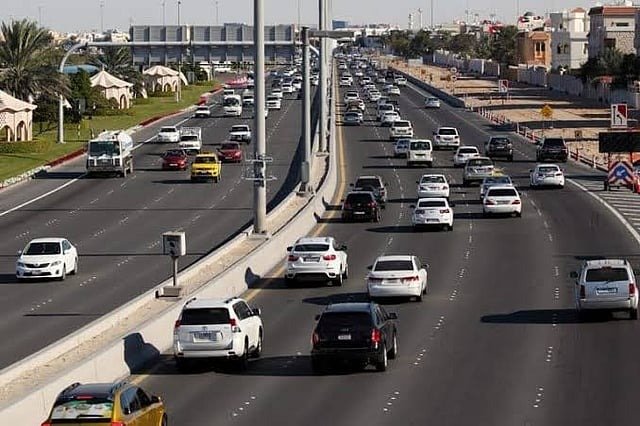
Abu Dhabi Police, in partnership with the Integrated Transport Centre, launched the “Initiate and Benefit” campaign offering flexible traffic fine discounts and promoting road safety through public awareness across buses and taxis.
UAE announces 54th Eid Al Etihad brand guidelines: What you can and can’t do for celebrations in 2025
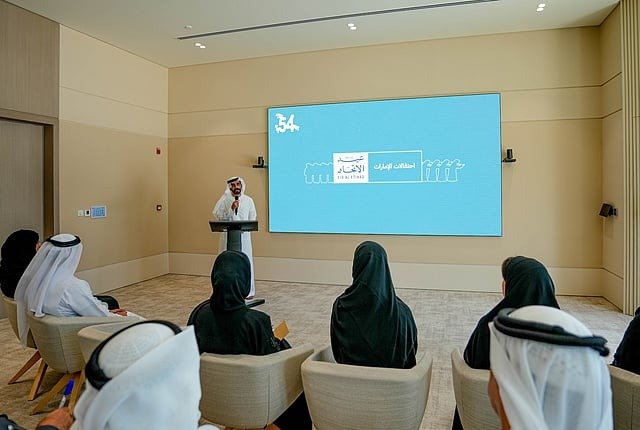
From Flag Day to National Day, the UAE’s month-long 54th Eid Al Etihad celebrations will follow a unified visual identity inspired by Sheikh Zayed’s legacy. Here’s what you can — and can’t — do with the new brand guidelines.
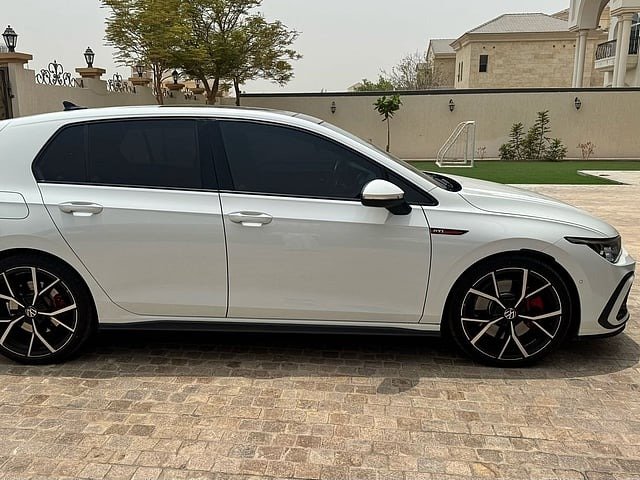
Dubai resident loses Dh90,000 in WhatsApp car scam: Police solve case in 24 hours
A Dubai resident nearly lost his Volkswagen Golf GTI in a WhatsApp scam, but swift action by Dubai Police tracked the car to Rashid Port and dismantled an international fraud network within a day.
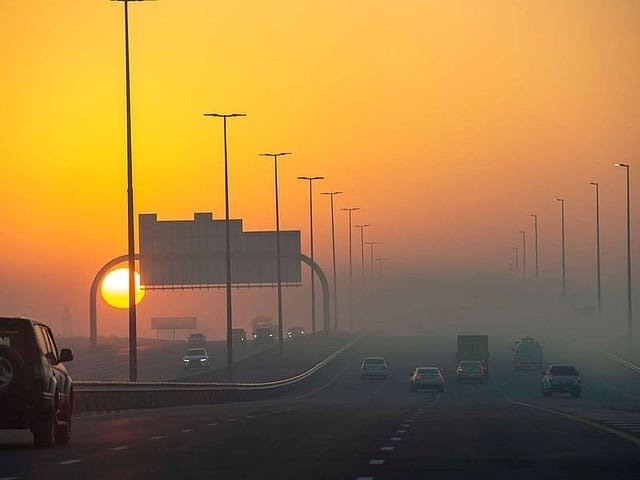
Why UAE weather brings dense morning fog and humidity as the long summer ends?
Thick fog and sticky humidity mark the UAE’s seasonal shift from scorching summer to cooler months. Here’s the science behind the phenomenon.
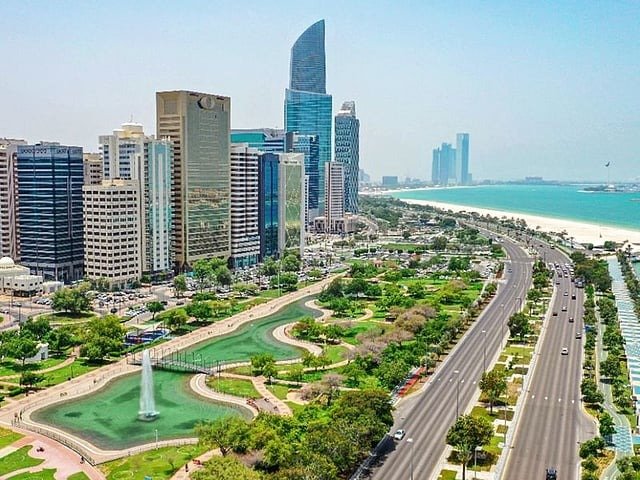
Abu Dhabi turns to artificial intelligence to tackle soil salinity crisis
The Environment Agency – Abu Dhabi (EAD) is using artificial intelligence, drones, and modern irrigation solutions to tackle worsening soil salinity and safeguard agriculture in the emirate.
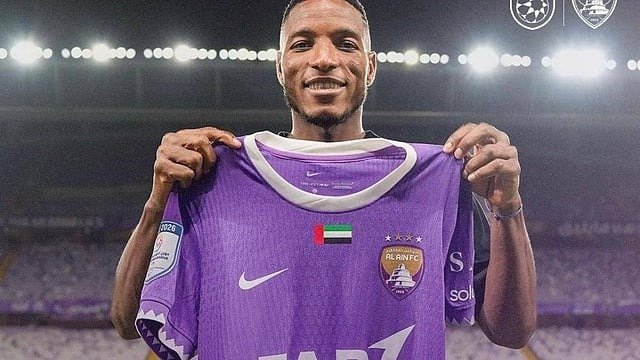
Al Ain striker’s shirt and ball fetch over Dh1.13 million at auction
Al Ain striker Kodjo Laba’s historic match shirt and ball fetched over Dh1.13 million at a UAE Pro League charity auction, reflecting record-breaking fan support and the striker’s legendary status.
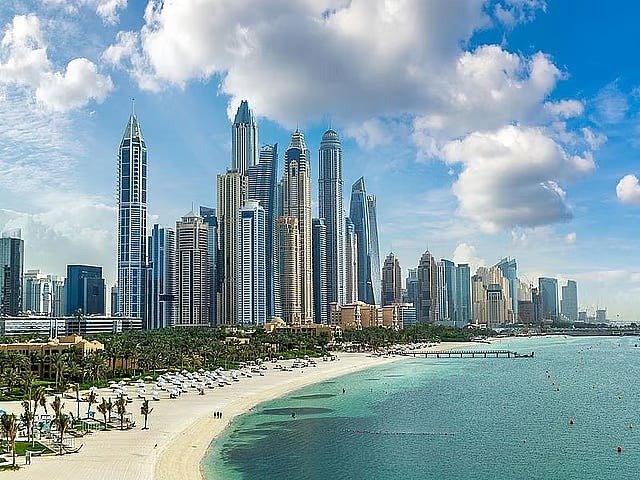
UAE weather: Cloudy at times with a slight decrease in temperatures
Residents can expect a slight dip in temperatures today across the UAE, with cloudy skies, dusty conditions, and a chance of mist in coastal areas.
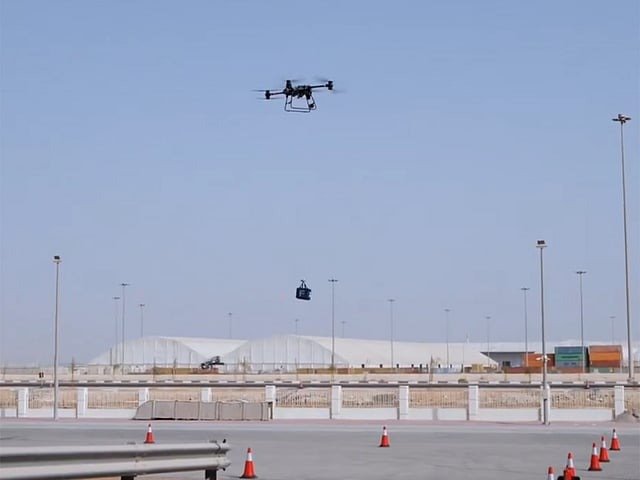
Abu Dhabi tests drone delivery in push toward smarter logistics
Abu Dhabi has launched a drone delivery pilot program to enhance smart and sustainable logistics, marking a step toward autonomous transport solutions.

UAE’s plan to ban single-use plastics by 2026: Everything you need to know
From January 2026, the UAE will ban the import, production, and trade of single-use plastics, with Dubai extending restrictions to cups, lids, cutlery, and food containers.

Why digital hygiene matters in today’s cyber world
Good digital hygiene safeguards privacy, prevents cyberattacks, and ensures healthier online habits in today’s hyper-connected world.
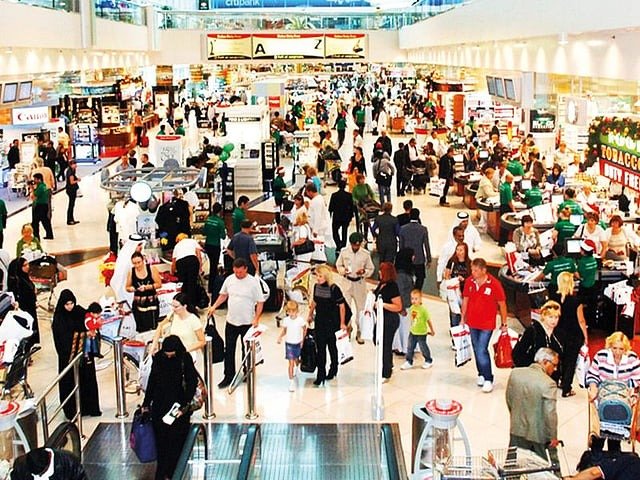
UAE travellers are changing how they shop at airports: Here's why
Airport shopping in the UAE is transforming from last-minute duty-free purchases to high-end, luxury-mall-style experiences. From flagship designer stores and Michelin-star cafés to cultural showcases and exclusive product launches, airports are redefining how travellers spend their time before takeoff.
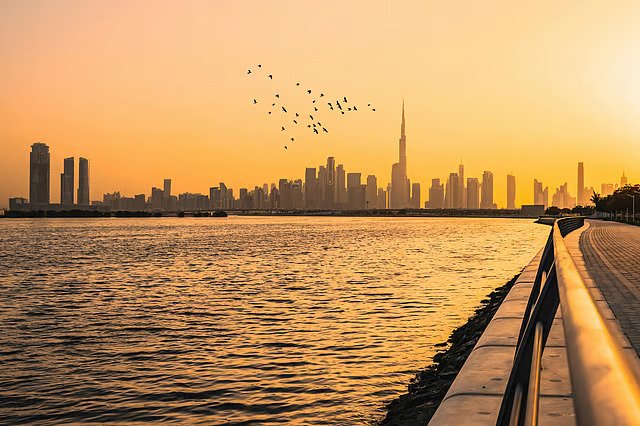
UAE weather: Rain expected, slight rise in temperatures and humidity
The UAE will see partly cloudy skies with chances of rain in eastern regions, along with rising temperatures and humidity. Coastal and inland areas are expected to experience hot, sticky conditions, while the Arabian Gulf and Oman Sea remain calm.
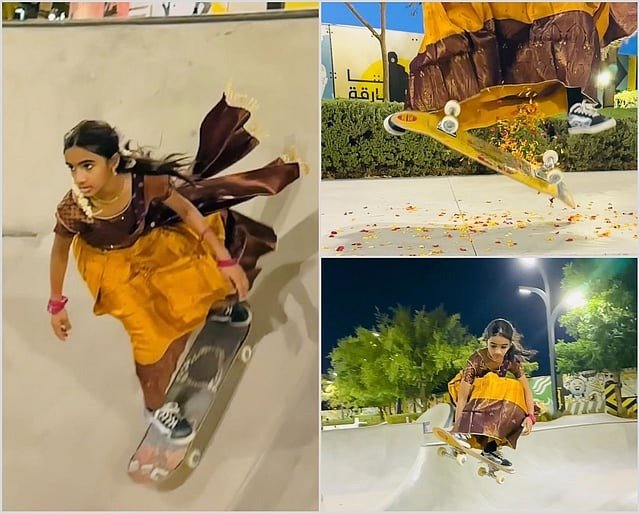
UAE: Indian expat girl from Kerala goes viral for skating in silk dhavani for Onam
Sharjah-based 10-year-old Anwita Stalin, known as Anwi Skater, captured millions of hearts worldwide by performing daring skateboarding tricks in traditional silk dhavani for Onam celebrations.
UAE: Al Ain court orders man to repay Dh22,840 in traffic fines
An Al Ain court has ordered a man to reimburse Dh22,840 in traffic fines after misusing a car entrusted to him for sale. The ruling highlights the importance of accountability in vehicle transactions under UAE law.
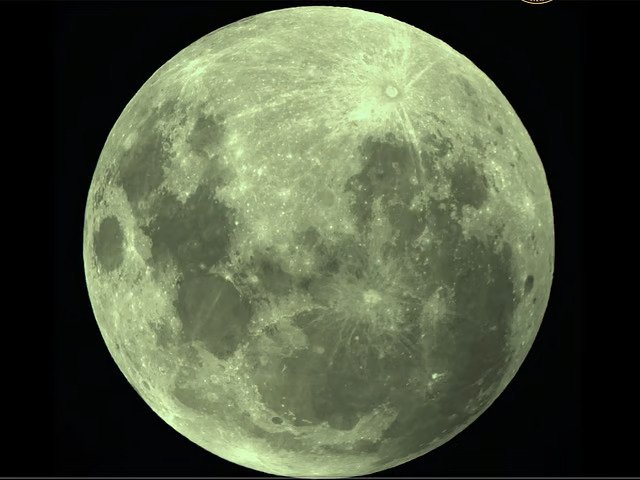
Al Khatm Observatory captures phases of 'Blood Moon' filmed from Abu Dhabi desert
The UAE witnessed its first total lunar eclipse in nearly seven years as the Blood Moon turned the skies copper-red, with Al Khatm Observatory capturing breathtaking footage from the desert.
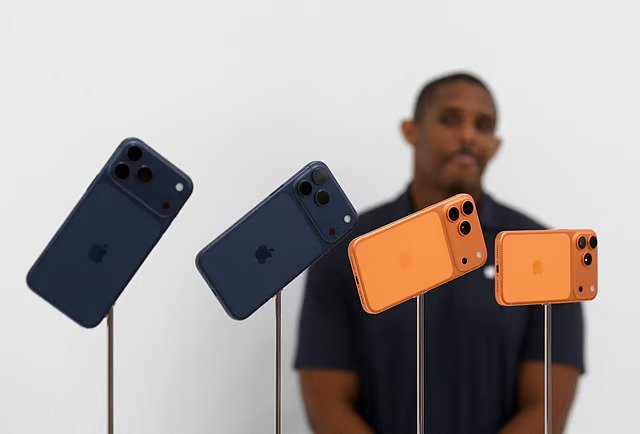
Why are buyers, investors unhappy with Apple’s iPhone 17 launch?
Apple’s iPhone 17 launch faced backlash from both consumers and investors, with shares dropping 3.2% and $112 billion in market value erased. Critics cite incremental upgrades, delayed AI features, and profit margin concerns as major reasons for the disappointment.
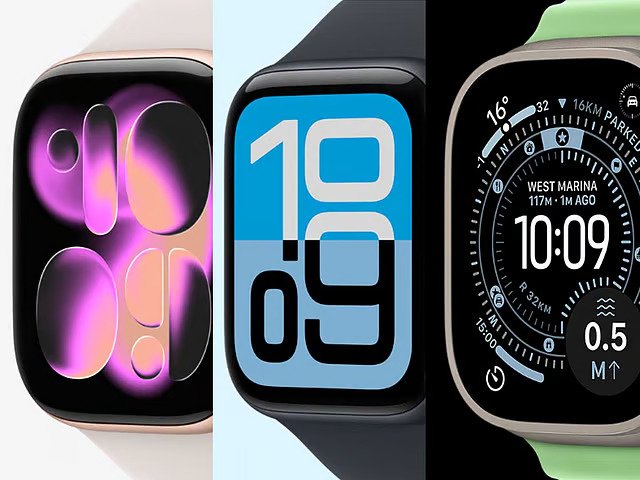
New Apple Watch lineup: 5G, SOS, GPS specs, pre-order, trade-in, price list in UAE dirhams
Apple introduced three new smartwatches — the Watch Series 11, Ultra 3, and SE 3 — with 5G, SOS, advanced health tracking, and improved battery life. Pre-orders are open, with UAE prices starting at Dh999.

How Dubai private school teachers can move schools under new KHDA guidelines
Dubai’s KHDA has introduced new teacher transfer guidelines for private schools, including Appointment Notices, exit surveys, and a 90-day rule to reduce mid-year disruptions.

Is UAE gratuity calculated on basic salary or gross salary?
Confused about whether your UAE gratuity is based on basic salary or gross salary? Here’s a detailed breakdown of how the law defines it, the two-year cap rule, and step-by-step examples.
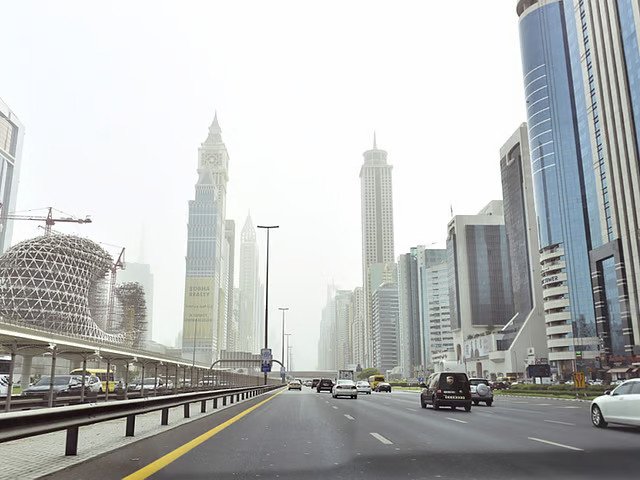
UAE property prices to dip from 2026 as 150,000 new homes hit market: Moody’s
Moody’s projects a modest correction in UAE property prices from 2026, as more than 150,000 new homes hit the market. Buyers may gain bargaining power while renters see steadier rates, though strong demand will keep the market stable.
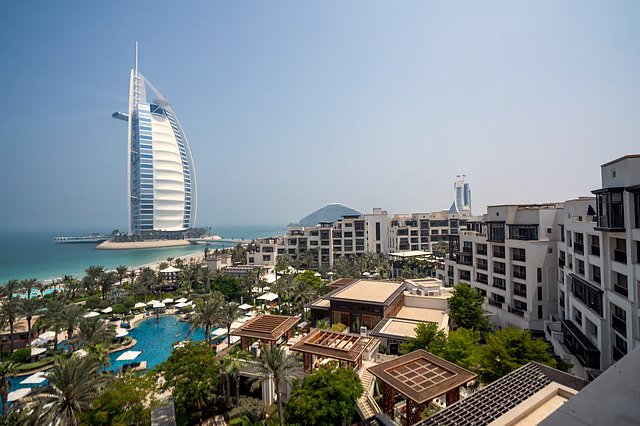
UAE long weekend: Live like a star in a royal suite overlooking Jumeirah’s Burj Al Arab and with private cinema, gym
Experience ultra-luxury at Jumeirah Al Naseem’s royal suite with a private cinema, gym, and breathtaking views of Burj Al Arab.
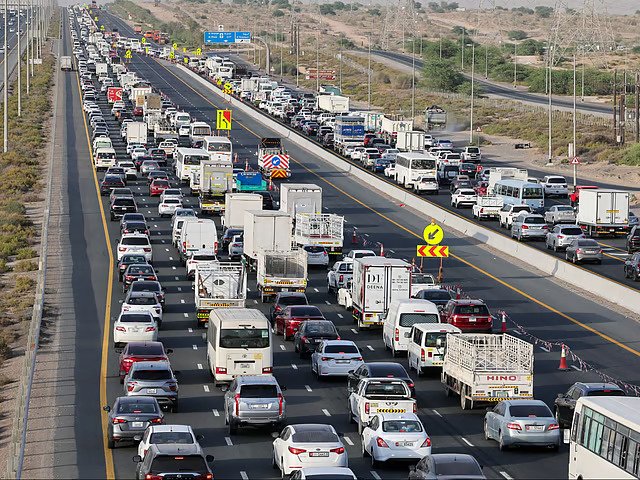
3 Days to Go: Emirates Road Reopens on August 25, Just in Time for Back-to-School Rush
RTA completes 14km upgrade on Emirates Road, reopening Aug 25 to cut travel time and ease the back-to-school rush.
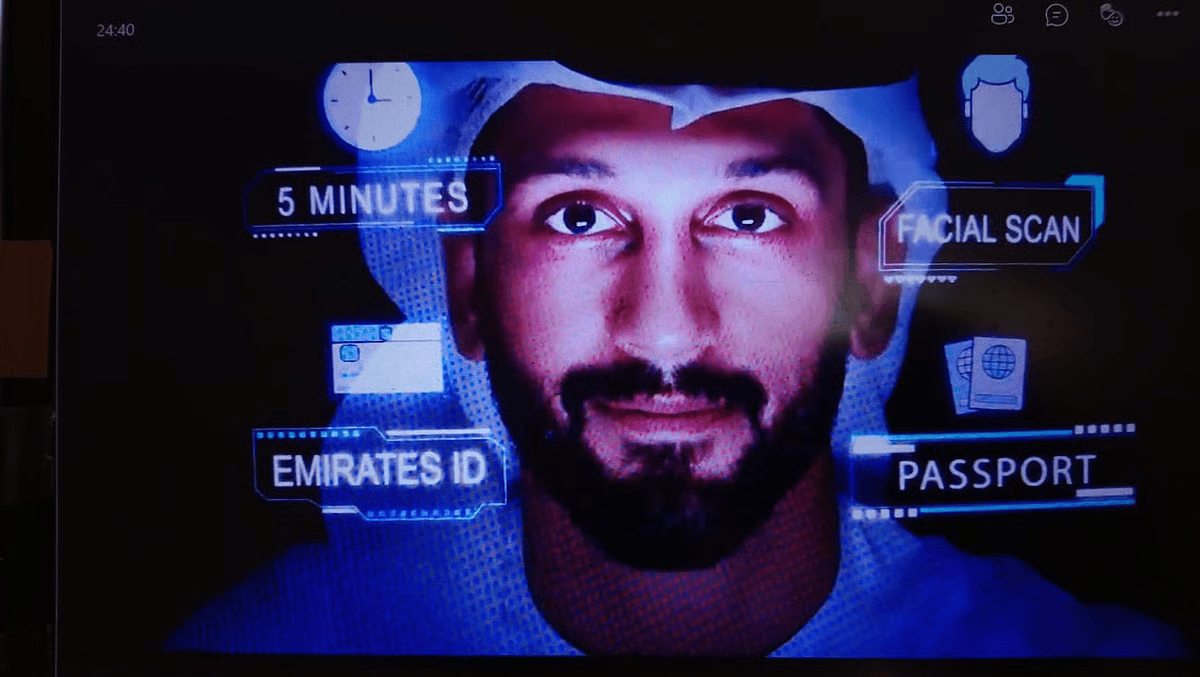
UAE to Replace Physical Emirates ID with Digital Biometric System
UAE will replace physical Emirates ID cards with a biometric digital ID system using facial recognition, improving access across sectors.
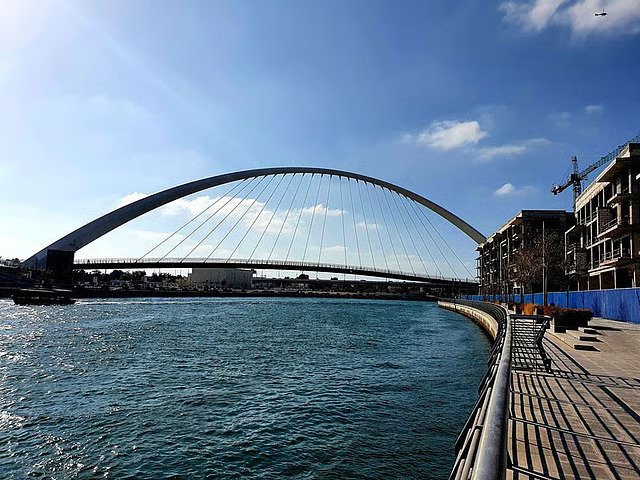
UAE Weather Alert: Extreme Heat and Dusty Winds Sweep Dubai, Abu Dhabi, and Al Ain
Extreme heat up to 49°C and dusty winds hit the UAE, with possible rain in eastern areas.

Dubai Police Extradite International Fugitives Wanted for Fraud and Drug Trafficking
Dubai Police extradite fugitives wanted for fraud, drug trafficking, and other serious crimes as part of growing global law enforcement cooperation.