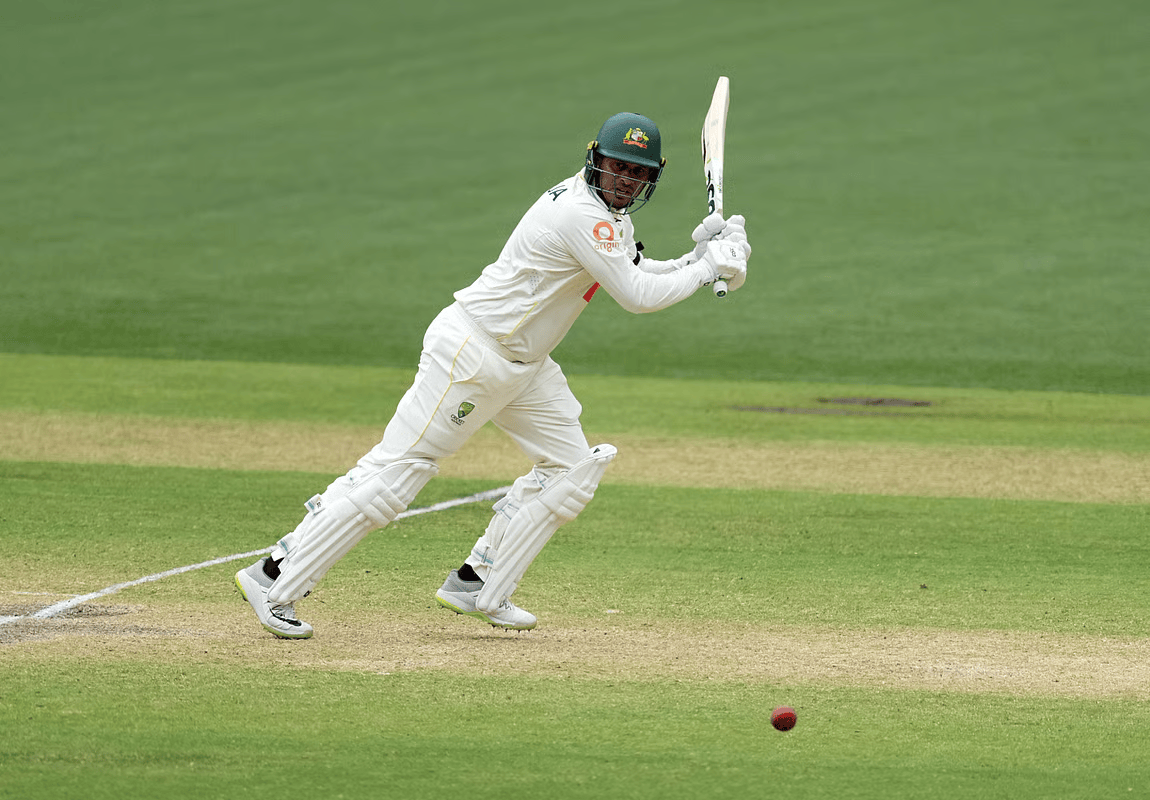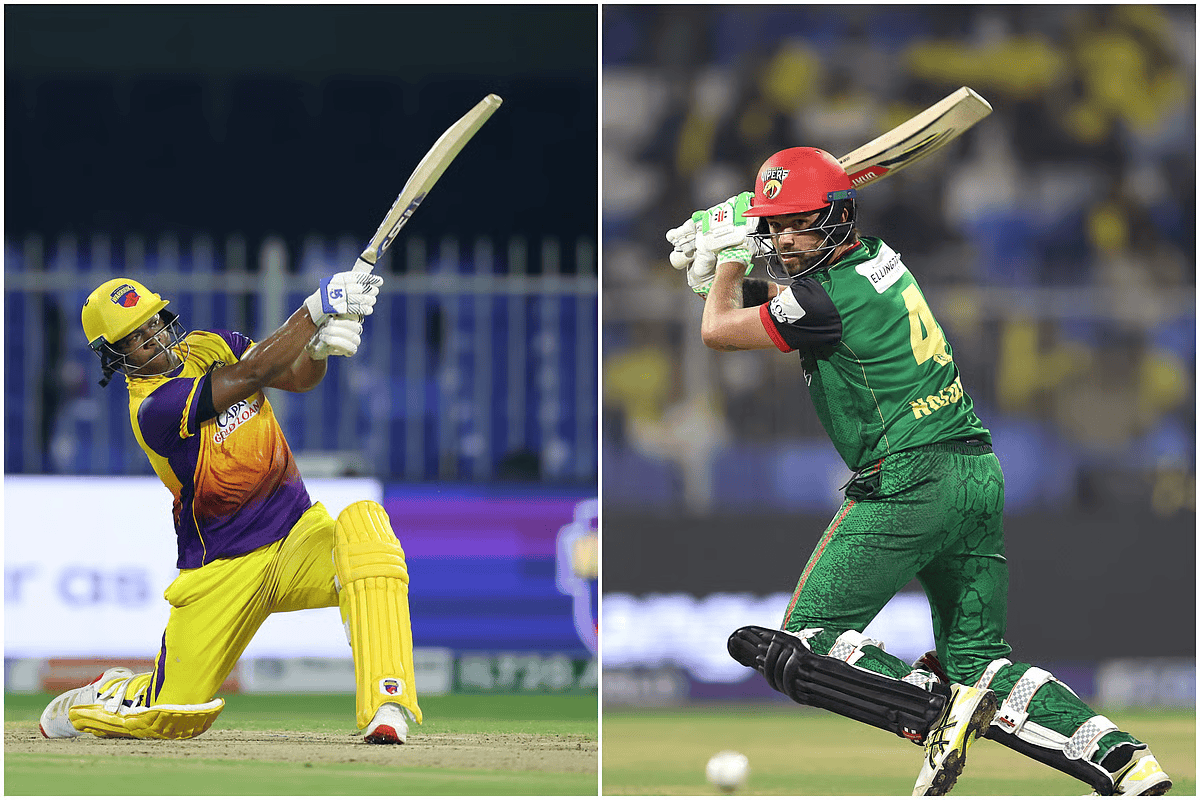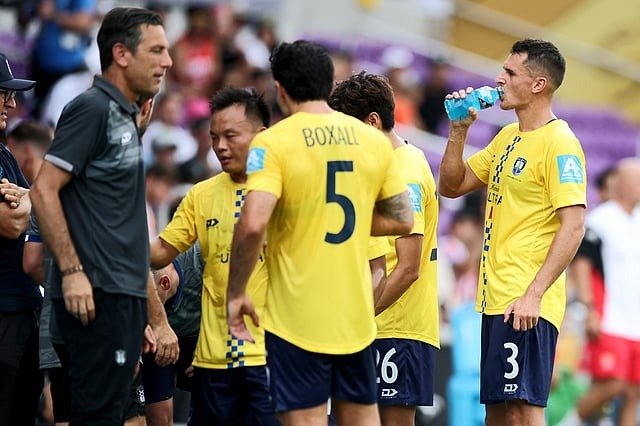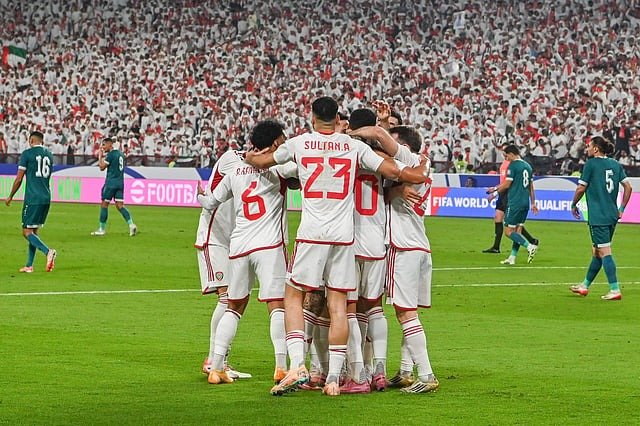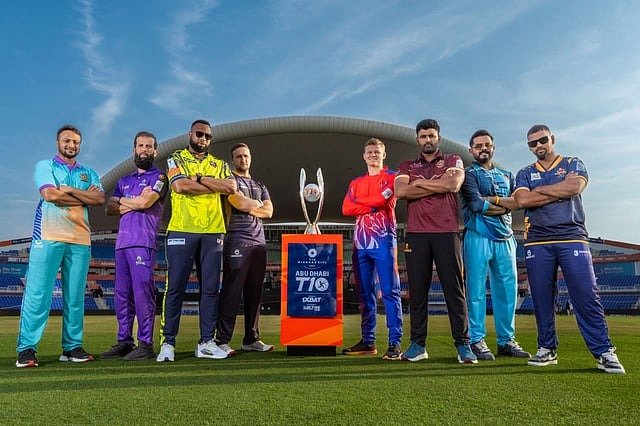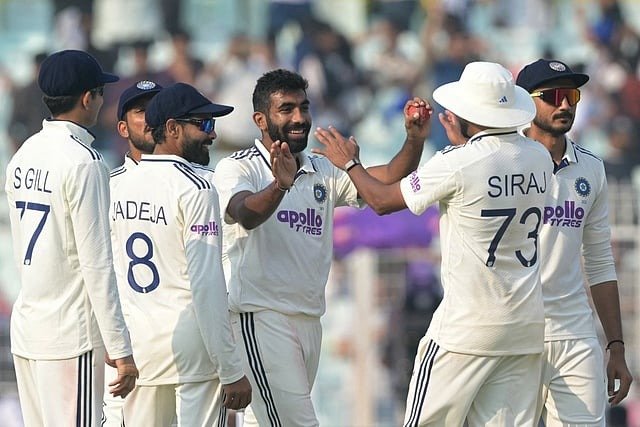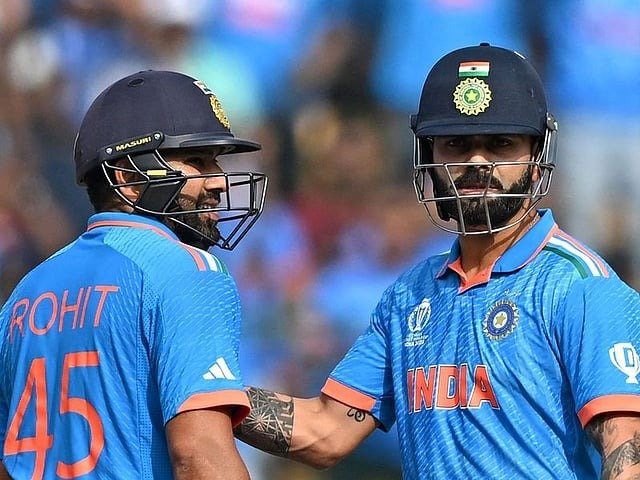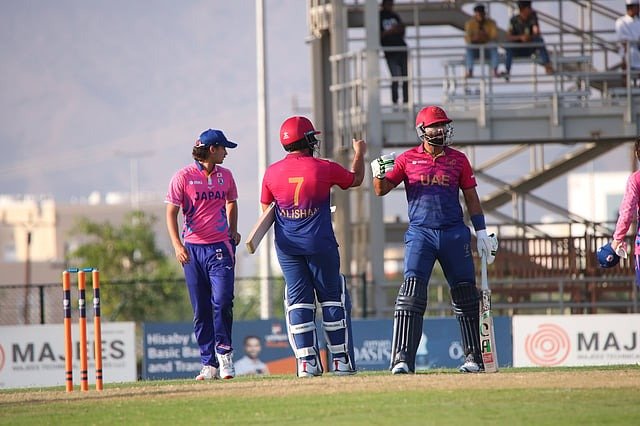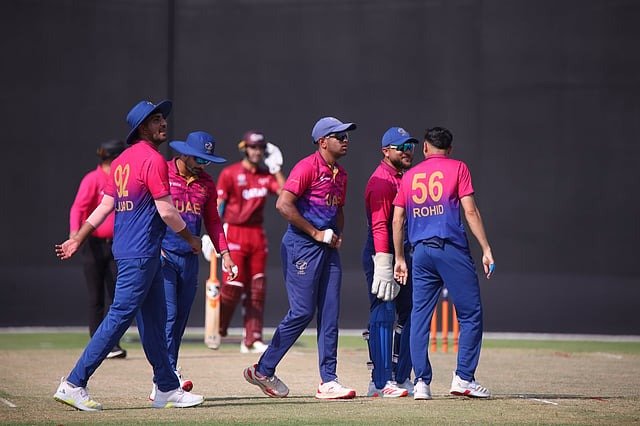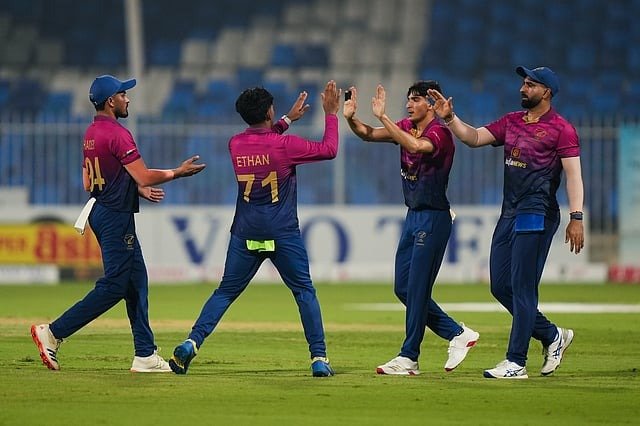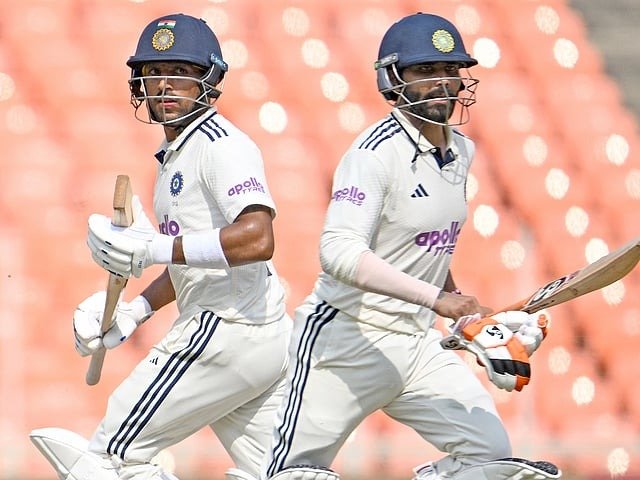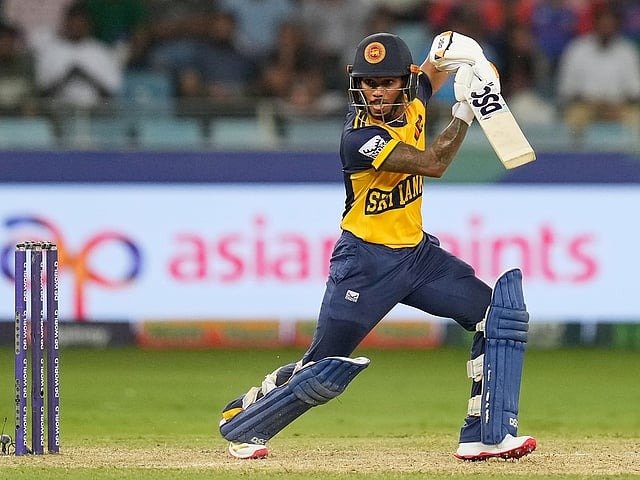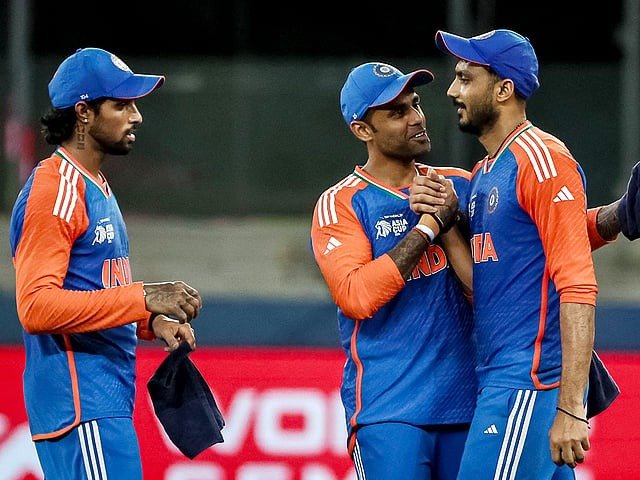
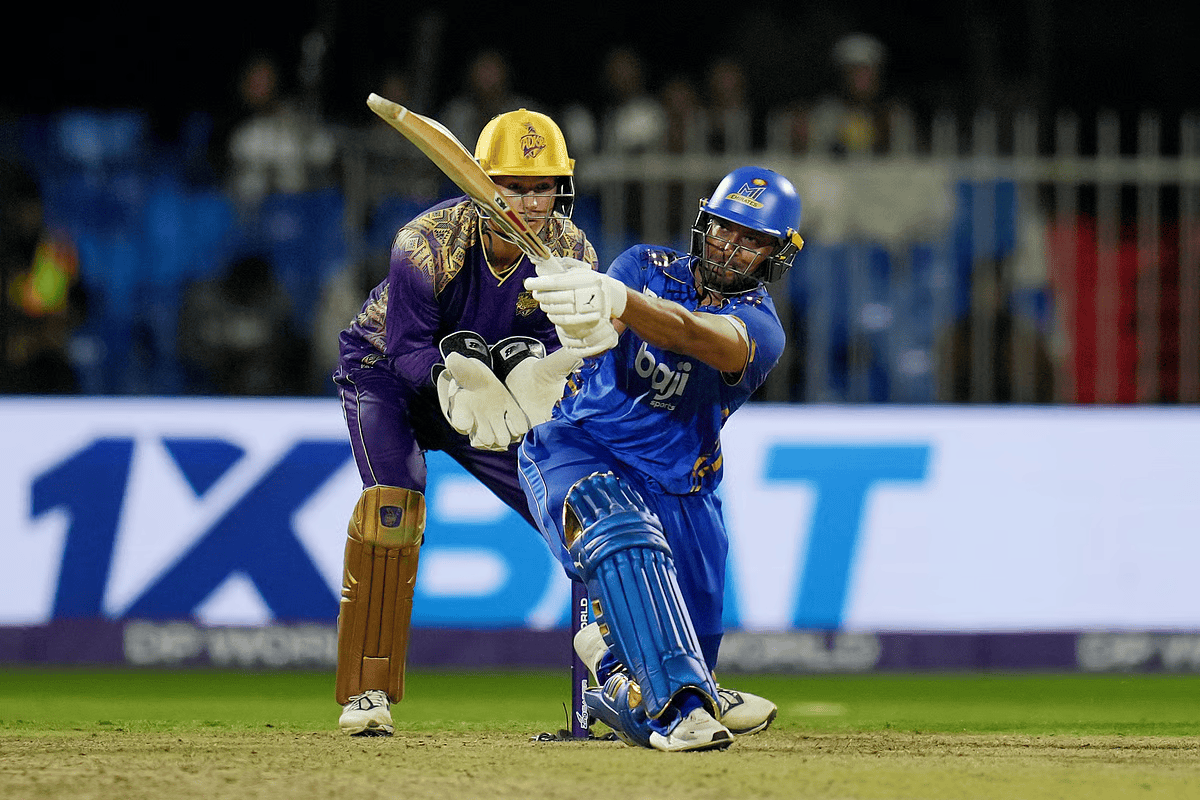
MI Emirates claims spot in ILT20 final with 7-wicket win over Abu Dhabi Knight Riders
The global Islamic finance industry is on a strong growth trajectory and is expected to reach an impressive $6 trillion in assets by 2026, supported by sustained double-digit annual growth. This remarkable expansion reflects increasing demand for ethical, interest-free financial products that align with Islamic principles, as well as growing acceptance beyond traditionally Muslim-majority countries.
Islamic finance operates on core principles such as risk sharing, asset-backed financing, and the prohibition of interest (riba). These values have positioned the industry as a resilient alternative during periods of economic uncertainty. Products such as Islamic banking, Sukuk (Islamic bonds), Takaful (Islamic insurance), and Shariah-compliant investment funds continue to gain global traction.
Key markets including the Middle East, Southeast Asia, and parts of Africa remain major contributors to growth. At the same time, countries in Europe, the UK, and North America are increasingly embracing Islamic finance frameworks to attract foreign investment and serve diverse populations. Governments and regulators are also supporting the industry by improving legal frameworks, standardization, and digital transformation.
Technology is playing a crucial role in accelerating growth. Fintech innovation, digital Islamic banking, and blockchain-based Sukuk issuance are enhancing accessibility, transparency, and efficiency. Sustainability is another major driver, with Islamic finance aligning naturally with ESG (Environmental, Social, and Governance) principles, making it attractive to socially responsible investors.
As global awareness grows, Islamic finance is evolving from a niche sector into a mainstream financial system. With strong fundamentals, ethical appeal, and regulatory support, the industry is well-positioned to surpass expectations and redefine the future of global finance.
Related News