
Aviation in Numbers: How UAE Built a World-Leading Aviation Network
Dubai: Over the past decades, the UAE has transformed its aviation sector into one of the world’s most connected and influential networks, driven by strategic planning, infrastructure development, and sustained investment. A recent report from the General Civil Aviation Authority (GCAA) highlights the nation’s achievements in passenger growth, air traffic, fleet expansion, and economic impact.
Expanding Airport Infrastructure
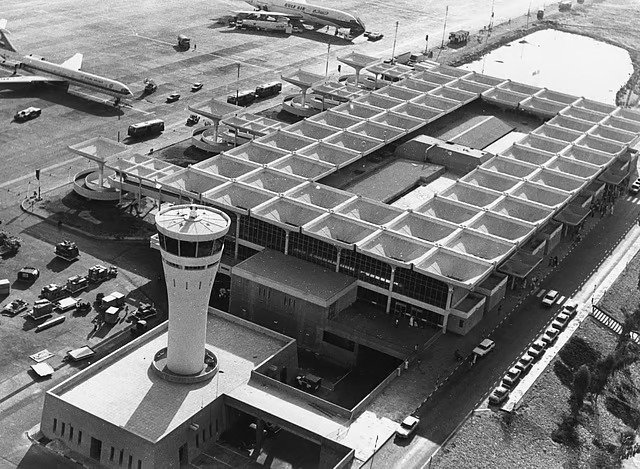
The UAE is home to 12 certified airports, including 8 international hubs that welcome millions of travelers each year. Additionally, the country has 100 heliports, many being upgraded to accommodate the next generation of electric vertical aircraft (eVTOLs).
The UAE’s airport network now connects to 304 international destinations across 109 countries, with 162 new international routes launched in the past five years alone. Collectively, these airports have a passenger handling capacity exceeding 160 million annually, positioning the UAE as a global aviation powerhouse.
Air Traffic and Passenger Growth
Air traffic has surged dramatically. In 2024, the country recorded over one million air traffic movements, averaging 857 outbound international flights daily. Passenger traffic has risen 33.6% over the past decade, demonstrating sustained sector growth.
Dubai International Airport (DXB) remains the crown jewel, continuing as the world’s busiest airport for international passengers. In August 2025, DXB recorded 5.34 million outbound seats and 10.68 million two-way passenger seats, underscoring its unmatched global connectivity.
Airlines and Fleets Driving Growth
The UAE boasts 35 registered air operators, including five national carriers, complemented by 383 foreign operators. Its modern fleet comprises 960 registered aircraft, with 520 operated by national carriers, collectively running over 4,800 weekly flights. This robust fleet ensures reliability, frequency, and global access to key destinations.
Global Connectivity and Bilateral Agreements
Connectivity is a cornerstone of the UAE’s aviation strategy. The country has signed 189 bilateral air transport agreements, covering 97% of the world’s nations. Between 2014 and 2024, the UAE’s international air connectivity index rose 39% regionally and 15% globally, solidifying its position as a Middle Eastern aviation hub. Today, the UAE accounts for 2.3% of global international passenger traffic and 32.2% of regional traffic.
Economic Contribution
The aviation sector is a major pillar of the UAE’s economy, contributing over USD 92 billion annually, or nearly 18% of GDP. Direct employment in airlines, airports, air navigation, and aerospace manufacturing totals 206,800 jobs, while the broader aviation ecosystem — including supply chains and tourism — supports around 991,500 jobs.
Cargo is another area of strength, with the UAE handling 4.36 million tonnes of air freight, ranking seventh globally.
Affordable Air Travel
The UAE has also made air travel more accessible. Real airfares dropped 35% between 2011 and 2023, benefiting residents and international travelers alike. In 2023, the country recorded 3,668 flights per 1,000 people, reflecting the high accessibility and frequency of services compared to global averages.
A Global Hub for the Future
The GCAA report, “A Closer Look: Civil Aviation in the UAE,” emphasizes that the nation’s aviation sector is not just a facilitator of travel but a pillar of national growth and global competitiveness. By combining cutting-edge infrastructure, international partnerships, and sustainable innovation, the UAE is shaping the future of aviation while strengthening its role as a global hub for passengers, cargo, and connectivity.
Conclusion
From world-class airports to modern fleets and robust international agreements, the UAE’s aviation sector sets global benchmarks. With over 160 million passenger capacity, nearly a million jobs supported, and USD 92 billion in annual economic contribution, the UAE has transformed from a small desert nation into one of the world’s most vital aviation networks. Its success demonstrates how vision, investment, and innovation can propel a nation onto the global stage.
Related News