
UAE’s Burjeel Aims to Send First Astronaut with Diabetes into Space
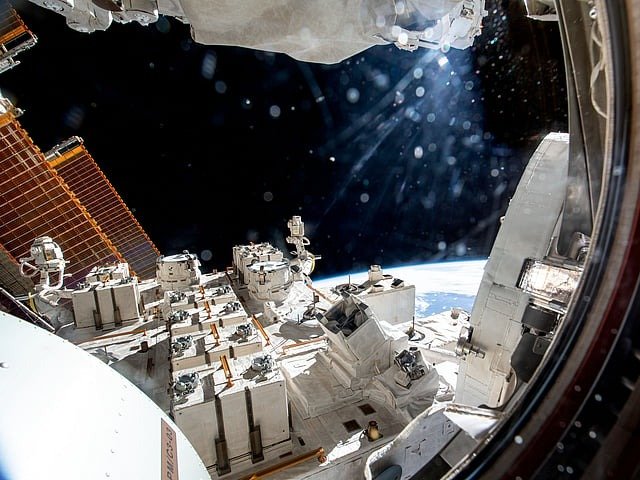
Abu Dhabi, September 26, 2025 – In a bold step for both space exploration and healthcare, Burjeel Holdings, one of the UAE’s leading medical providers, has announced its vision to send the world’s first astronaut with diabetes into space. The move comes on the heels of promising results from Suite Ride, a groundbreaking diabetes research study conducted aboard the International Space Station (ISS) during Axiom Mission 4 (Ax-4).
The announcement was made at the Burjeel Institute for Global Health in New York, with senior leaders including Dr. Shamsheer Vayalil, Founder and Chairman of Burjeel Holdings, and Tejpaul Bhatia, CEO of Axiom Space. The findings were also showcased in New York’s iconic Times Square, symbolizing the global significance of this achievement.
Testing Diabetes Tools in Space
The Suite Ride project was designed to test whether everyday diabetes care tools—already used by millions on Earth—could perform effectively in microgravity. The results were striking:
Continuous Glucose Monitors (CGMs) provided accurate real-time readings aboard the ISS, proving they can function in the same way as they do on Earth.
Insulin pens were successfully tested in space, marking the first time such devices were validated for microgravity use.
Multiple glucose measurement methods confirmed reliable monitoring, setting a new standard for medical research in orbit.
These results mean that astronauts with diabetes could one day participate in missions without fear that their condition would limit their opportunities.
Creating an Inclusive Space for All
Beyond the science, the initiative carries a strong message of inclusivity. Omran Sharaf, UAE Assistant Foreign Minister for Advanced Science and Technology, highlighted how the project helps build a future where space exploration is accessible to a wider range of people:
“People from different parts of the world might require different kinds of treatments because of their genetic characteristics. Technologies like the one just tested in space help generate the variety of data needed to better inform science.”
This commitment to inclusivity aligns with the UAE’s broader space ambitions, which emphasize diversity and innovation.
Beyond Space: Impact on Earth
While the project paves the way for the first astronaut with diabetes, its implications extend far beyond space missions. The technology and insights developed could revolutionize remote healthcare on Earth, especially in underserved or hard-to-reach areas.
Dr. Mohammad Fityan, Chief Medical Officer at Burjeel Medical City and Clinical Lead of the Burjeel–Ax-4 Space Health Research, explained:
“Besides opening the door for astronauts with diabetes, these findings will also transform the way we deliver care here on Earth. From 250 miles above Earth to 25 miles offshore on oil rigs, we are advancing new models of remote care.”
The ability to reliably monitor and manage diabetes in microgravity suggests that similar systems could be adapted for oil rigs, ships, rural villages, or even during humanitarian missions where traditional healthcare access is limited.
Inspiring a New Generation
The project is not just about technology—it’s also about changing perceptions. For the more than 500 million people living with diabetes worldwide, the research is a message of hope: their dreams, even those as ambitious as space travel, need not be limited by diagnosis.
Gavin D’Elia, Global Head of Pharma at Axiom Space, emphasized this point:
“It’s about inspiring people everywhere—that their goals of pursuing space exploration don’t end at diagnosis. Together, we’re advancing the potential to fly the first astronaut with diabetes.”
Historic Firsts in Space Medicine
The Suite Ride mission achieved multiple milestones:
First continuous glucose monitoring aboard the ISS.
First use of insulin pens in microgravity.
First validation of multiple glucose monitoring methods in orbit.
These breakthroughs represent not just scientific progress but also a reshaping of what’s possible for medicine in extreme environments.
Conclusion
By combining healthcare innovation with the UAE’s space ambitions, Burjeel Holdings and Axiom Space are charting new territory. The world’s first astronaut with diabetes may soon become a reality, symbolizing not only human resilience but also the power of collaboration between medicine and space science.
From Earth to orbit, this initiative shows that with the right innovation, no frontier is out of reach.
Related News