UN Sanctions Reignite Iran Nuclear Tensions
Iran Under Renewed UN Sanctions: Nuclear Diplomacy Faces New Crossroads
The international spotlight has turned sharply back on Iran as the United Nations reinstates sweeping sanctions over its nuclear programme. The move — triggered by the “snapback” mechanism under the 2015 nuclear deal — has reignited diplomatic tensions, deepened Iran’s defiance, and raised concerns of a potential regional confrontation.
Sanctions Reimposed Amid Escalation
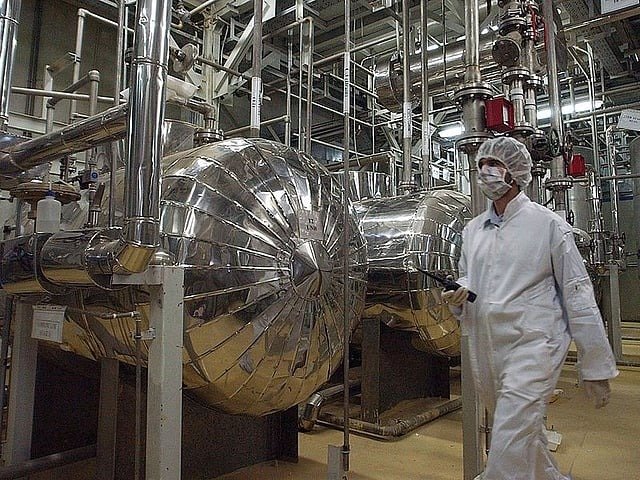
After months of failed negotiations and a series of military strikes on Iranian nuclear sites, the United Kingdom, France, and Germany reactivated UN restrictions. The European powers cited Iran’s “continued nuclear escalation” and refusal to cooperate with the International Atomic Energy Agency (IAEA) as reasons for restoring the measures.
In response, Tehran condemned the decision as “unjust and politically motivated,” accusing the West of hypocrisy and double standards. The sanctions include bans on arms transfers, limits on uranium enrichment, and restrictions on missile development, alongside travel bans and asset freezes for key Iranian figures.
Tehran’s Defiance and the Collapse of Inspections
Following coordinated strikes by the US and Israel in June 2025, Iran suspended all IAEA inspections at its nuclear sites. Western nations say this lack of transparency fuels suspicion that Iran is inching closer to weapons-grade uranium production — a charge Tehran firmly denies.
According to the IAEA, Iran’s stockpile of uranium enriched up to 60% could yield enough material for several nuclear bombs if further refined to weapons grade. The JCPOA, by contrast, had capped enrichment at just 3.67%.
Despite these warnings, Iranian leaders insist the programme is purely peaceful and demand international guarantees against Israeli attacks. Tehran has also ruled out returning to talks unless sanctions are fully lifted and Western nations provide security assurances.
A Diplomatic Deadlock
European nations maintain that diplomacy remains the only viable path but admit that prospects for a breakthrough are bleak. Iran recently recalled its ambassadors from France, Germany, and the UK, a move signalling growing frustration and mistrust.
Meanwhile, the United States has offered to reopen direct talks, but Tehran refuses to meet Washington’s conditions — halting enrichment, limiting missile tests, and reducing support for allied militias across the Middle East. Efforts by Russia and China to delay the sanctions’ reactivation failed, though both continue to back Iran politically and economically.
Economic Strain and Public Hardship
The renewed sanctions pose a serious blow to Iran’s already fragile economy. Restrictions on oil exports, banking, shipping, and aircraft maintenance will further isolate Tehran from global markets. Although the government claims it can withstand the pressure, inflation, unemployment, and shortages have left ordinary Iranians struggling.
Many fear that the sanctions could spark new waves of domestic unrest, similar to those seen in recent years. Iran’s leaders, however, view resilience under pressure as a form of national strength — a defiant stance aimed at projecting stability amid growing external threats.
A Region on Edge
As tensions mount, the risk of military escalation looms large. Israel has hinted at further strikes on Iranian targets, while Tehran has expanded its missile range to 2,000 kilometres, signalling readiness for retaliation. Analysts warn that any miscalculation could trigger a wider regional crisis involving multiple actors.
Amid this volatile backdrop, Iran has even hinted at the possibility of withdrawing from the Nuclear Non-Proliferation Treaty (NPT), which would mark a dramatic escalation and make international oversight virtually impossible.
The Path Ahead
The reimposition of UN sanctions has plunged nuclear diplomacy into uncertainty. While Western nations insist that dialogue remains open, Iran’s leaders appear increasingly entrenched.
If pragmatism prevails, quiet diplomacy between Washington and Tehran could yet revive the nuclear deal framework. But if confrontation continues to dominate, the world may face a deeper nuclear and geopolitical crisis — one with profound consequences for regional and global security.
Related News