
UAE’s Jade Autism and South Asian Schools Among Zayed Sustainability Prize Finalists
The UAE’s prestigious Zayed Sustainability Prize (ZSP) has revealed the 33 finalists for its 2026 edition, selected from a record-breaking 7,761 submissions spanning 173 countries. This milestone reflects the growing global appetite for innovative and scalable solutions to some of humanity’s most urgent challenges. The winners will be announced on January 13, 2026, during Abu Dhabi Sustainability Week.
The finalists represent six categories – Health, Food, Energy, Water, Climate Action, and Global High Schools – showcasing projects that range from AI-powered medical diagnostics to sustainable farming, renewable energy, and student-driven eco-initiatives. Submissions this year rose by 30 percent compared to 2025, underlining the increasing momentum around sustainability and humanitarian impact worldwide.
Spotlight on UAE Innovation
Among the standout finalists is Jade Autism, a UAE-based SME that has developed gamified, AI-driven cognitive tools designed to screen and support neurodiverse children. Already adopted in over 450 institutions across 179 countries, the platform is making education and care more inclusive and accessible. Jade Autism is the only UAE finalist in this year’s list and has been nominated in the Health category.
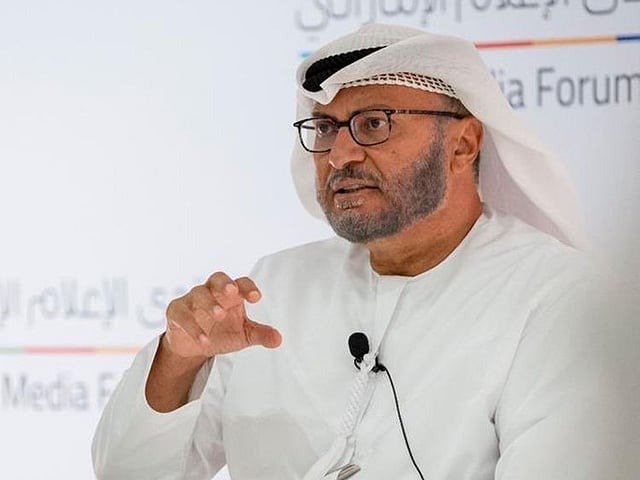
Dr. Sultan Ahmed Al Jaber, UAE Minister of Industry and Advanced Technology and Director General of the Prize, praised the finalists for their transformative work.
“From AI-enabled health diagnostics and circular food systems to disaster preparedness and climate resilience, they are harnessing technology, finance, and community leadership to deliver solutions that are affordable, reliable, and scalable,” he said. “These efforts reflect the enduring legacy of Sheikh Zayed, whose vision for sustainable development continues to guide the UAE’s commitment to progress.”
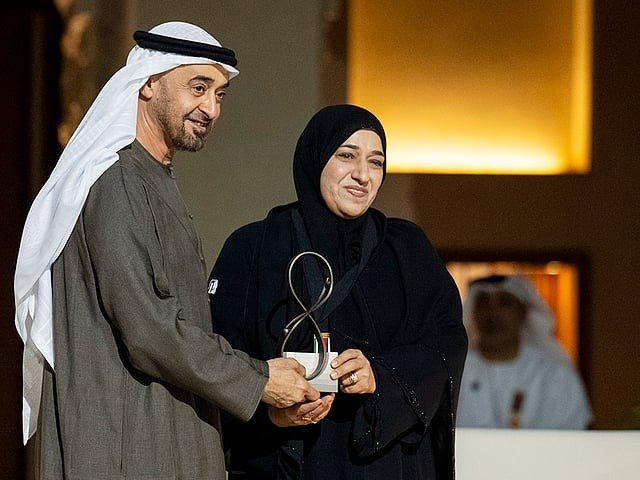
Since its launch, the Zayed Sustainability Prize has improved the lives of more than 400 million people worldwide, enabling access to clean water, renewable energy, nutritious food, and critical healthcare in underserved regions.
Global Innovation Across Categories
The finalists this year bring together a diverse mix of non-profits, SMEs, and grassroots innovators.
Health: Drop Access (Kenya), Healthy Learners (Zambia), and Jade Autism (UAE).
Food: E Green Global (South Korea), INMED South Africa (South Africa), and N&E Innovations (Singapore).
Energy: BASE Foundation (Switzerland), GRST (Hong Kong, China), and Poder y Luz Maya (Guatemala).
Water: IRIBA Water Group (Rwanda), Stattus4 (Brazil), and The Great Bubble Barrier (Netherlands).
Climate Action: Build Up Nepal (Nepal), CLIC RECYCLE (Spain), and GREE Energy (Hong Kong, China).
Each winner in these five categories will be awarded $1 million, empowering them to scale their projects and extend their impact.
Young Changemakers: Global High Schools
One of the most inspiring aspects of the Prize is the Global High Schools category, which shines a light on youth-led sustainability projects. Schools from six regions have been shortlisted, with entries from India, Pakistan, the Maldives, and the Philippines making it to the finals.
South Asia: Qadir Nagar High School (Pakistan), Faafu Atoll Education Center (Maldives), and Kikani Vidhya Mandir (India).
East Asia & Pacific: Camarines Norte Senior High School (Philippines), True North International School (Vietnam), and Ruamrudee International School (Thailand).
Middle East & North Africa: Fawakhir School for Applied Technology (Egypt), Al-Raja School for the Hearing Impaired (Jordan), and Rashaya High School (Lebanon).
Europe & Central Asia: Bodrum Anadolu High School (Türkiye), Specialized School in Angor (Uzbekistan), and Istedad Lyceum (Azerbaijan).
Sub-Saharan Africa: Likuni Boys Secondary School (Malawi), Kallamino Special High School (Ethiopia), and Kyanja High School, Mpigi (Uganda).
The Americas: Centro de Ensino Médio 111 (Brazil), Escuela Secundaria Técnica 117 (Mexico), and Mamawi Atosketan Native School (Canada).
Each winning school will receive up to $150,000 to implement their sustainability projects, encouraging the next generation of leaders to create lasting change in their communities.
A Global Legacy of Hope
Ólafur Ragnar Grímsson, Chair of the Prize Jury and former President of Iceland, highlighted the importance of this year’s finalists.
“This year’s finalists reveal a powerful truth: sustainability is no longer a distant ambition. It is a lived reality shaped by communities, young people, and innovators across the globe,” he said.
As the world grapples with the climate crisis, resource scarcity, and health inequities, initiatives like the Zayed Sustainability Prize underscore the role of innovation and collaboration in driving solutions. Whether through AI tools for children with autism, circular recycling systems, or solar-powered clean water solutions, these projects embody the Prize’s mission to empower, inspire, and transform lives.
The 2026 Zayed Sustainability Prize not only celebrates technological and social ingenuity but also reinforces the UAE’s role as a global hub for innovation. With the finalists preparing for the awards ceremony in January, the world will soon discover which of these changemakers will be recognized for reshaping the future of sustainable development.
Related News