
Why Do Indonesians Smile So Much? The Culture and Meaning Behind It
Why Do Indonesians Smile So Much? The Culture and Meaning Behind It
Published: October 22, 2026
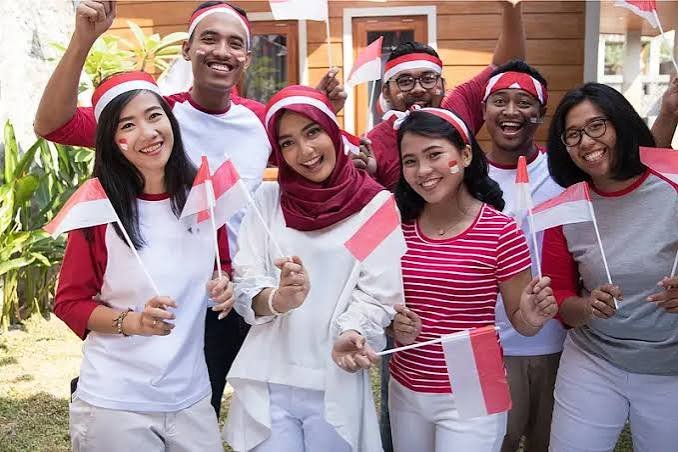
Smiling is a familiar part of everyday life in Indonesia. From hotel staff and shopkeepers to people greeting strangers on the street, a warm smile often serves as a simple way to welcome others and build connections.
For many Indonesians, smiling is not just an expression of happiness. It can also communicate politeness, respect, kindness and a sense of belonging. Conversations with four Indonesian residents highlight how family traditions and cultural values influence this everyday gesture.
A Smile That Brings People Together
Mwahyudirwandi, who comes from West Sumatra, connects the Indonesian smile with gratitude, warmth and community spirit.
He highlighted gotong royong, a cultural value centred on mutual cooperation and helping one another. These principles encourage people to support their communities and treat others with consideration.
Growing up with Minangkabau traditions, he learned the importance of respect, hospitality and kindness. He believes that exchanging smiles can create a feeling of friendship even between people who have never met before.
For him, a smile is a small gesture that can strengthen relationships and encourage positive connections.
Kindness Begins in Childhood
Leah Sandin, who was born and raised in Lombok, believes that smiling is closely linked to values taught during childhood.
She explained that children are encouraged to be polite, honest and considerate towards others. These lessons often continue to influence how people behave as adults.
For Leah, smiling is a natural way to express kindness and make everyday interactions more pleasant.
Does a Smile Always Mean Happiness?
Dina, another resident of Lombok, offered a different perspective. According to her, smiling does not necessarily mean that someone is happy.
She explained that people may sometimes smile even when they feel angry or uncomfortable. In such situations, the gesture can be a familiar social response rather than a direct reflection of their emotions.
This highlights an important distinction: a smile may communicate friendliness or acknowledge another person without revealing exactly how someone feels inside.
The Importance of Hospitality
For Ayu, the habit of smiling began at home. Her parents encouraged her to smile whenever she met someone, whether a neighbour, a guest or a stranger.
The practice stayed with her as she grew older and became part of her everyday interactions, including at work.
Ayu sees smiling as an important part of Indonesian hospitality. She believes that a warm expression can help visitors feel comfortable and welcome, even when people do not share a common language.
She also feels that receiving a smile can brighten someone's day and create a positive moment during a difficult time.
More Than Just a Friendly Gesture
The experiences shared by these four Indonesians point to several common values: kindness, respect, hospitality and togetherness.
While personal experiences differ, smiling can serve as a simple way to acknowledge others and maintain friendly social relationships. It may reflect happiness, but it can also be a sign of politeness, a habit learned at home or a way of making someone feel welcome.
For visitors exploring Indonesia, these everyday interactions can become memorable parts of the travel experience. Alongside the country's beaches, temples and landscapes, its culture of warmth and hospitality can leave a lasting impression.
Sometimes, a smile is more than an expression. It is a simple way to connect with another person.
Photo Gallery

Related News