

Heart Procedures Then and Now: How Technology Is Transforming Cardiac Care
Heart disease remains one of the leading causes of death worldwide, but the way doctors diagnose and treat cardiac conditions has changed dramatically over the past five decades. From lengthy open-heart surgeries to quick, minimally invasive procedures, the evolution of cardiology has brought life-saving innovations that make treatments safer, faster, and far more precise.
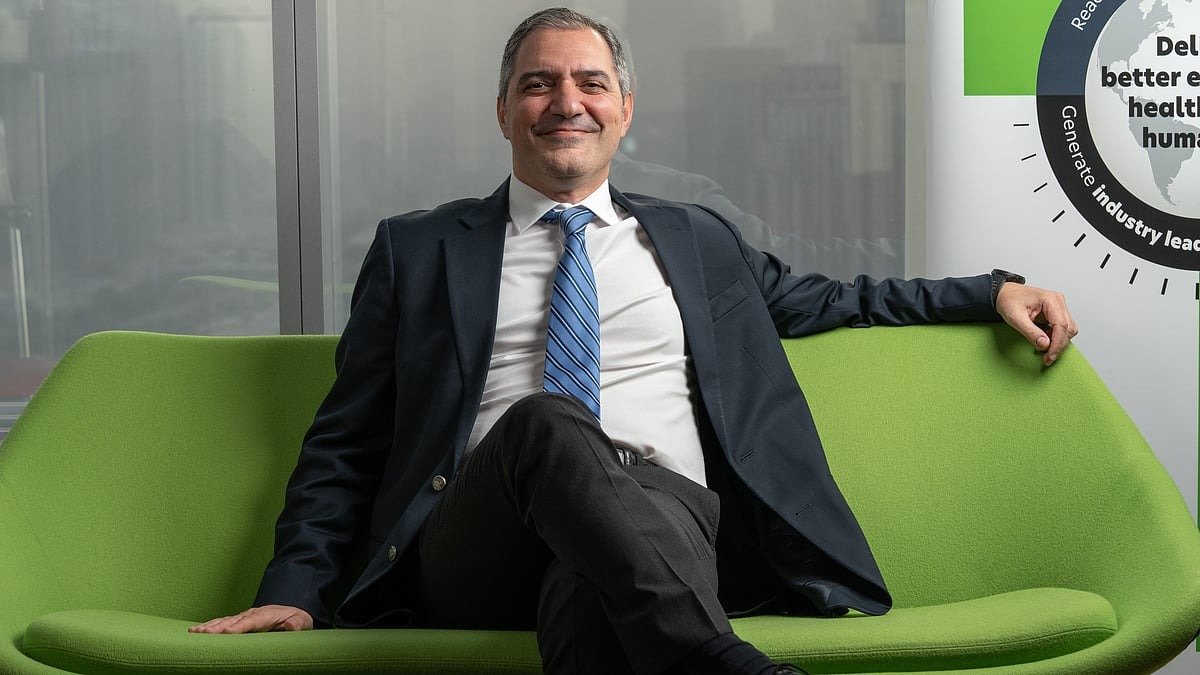
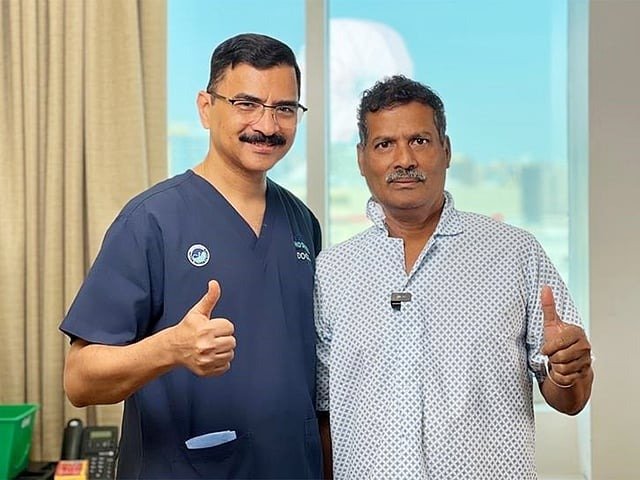
In the third episode of Heart Matters—a Gulf News vodcast series produced in partnership with King’s College Hospital London in Dubai—Dr Mehmood Butt, Head of the Cardiovascular Department at the hospital, sheds light on this transformation.
The Importance of Early Detection
Dr Butt stresses that the foundation of heart health lies in early screening, particularly for people at high risk. Smokers, diabetics, and those with a family history of cardiovascular disease should prioritize regular check-ups.
“Many patients can have advanced blockages without experiencing any symptoms,” he explains. “That’s why it’s so important to detect issues early, before they escalate into major complications.”
Routine tests like ECGs and stress tests are common first steps, but they aren’t always enough. Stress tests, which measure the heart’s response to physical exertion, have an accuracy rate of around 70 to 75 per cent. By comparison, CT angiograms, a newer, non-invasive imaging method, offer up to 95 per cent accuracy when performed properly. Not only are they more reliable, but they are also far more comfortable for patients.
Breakthrough Treatments
Beyond diagnosis, treatment methods have also undergone revolutionary changes. Dr Butt highlights shockwave therapy as a key innovation for tackling heavily calcified blockages in coronary arteries. The technique uses sound waves to break down calcium deposits, making it safer and easier to place stents and restore blood flow.
For patients with severe valve problems, TAVR (Transcatheter Aortic Valve Replacement) has emerged as a game-changing alternative to open-heart surgery. Instead of opening the chest, doctors insert a new valve through a small incision in the leg, drastically reducing recovery times. Elderly patients who might not survive traditional surgery now have a less invasive option that allows them to return to normal life much faster.
Congenital conditions, too, have benefited from medical advancements. Issues such as holes in the heart, which once required major surgery, can now often be corrected in under an hour using minimally invasive techniques.
How Far We’ve Come
Looking back, Dr Butt paints a vivid picture of just how far cardiology has progressed.
“In the 1970s, a heart attack often meant either survival with major complications or death,” he recalls. “Today, patients can be treated within 45 minutes, spend just 24 hours in hospital, and go home on simple medication. It’s better to find a problem before the problem finds you.”
This transformation is not just about speed—it’s also about quality of life. Patients who once faced weeks of recovery and limited activity can now resume their routines in days, thanks to less invasive methods and better medications.
The Future of Cardiology
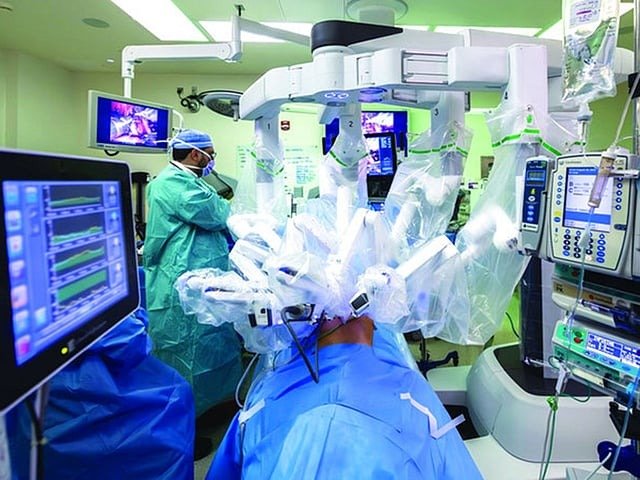
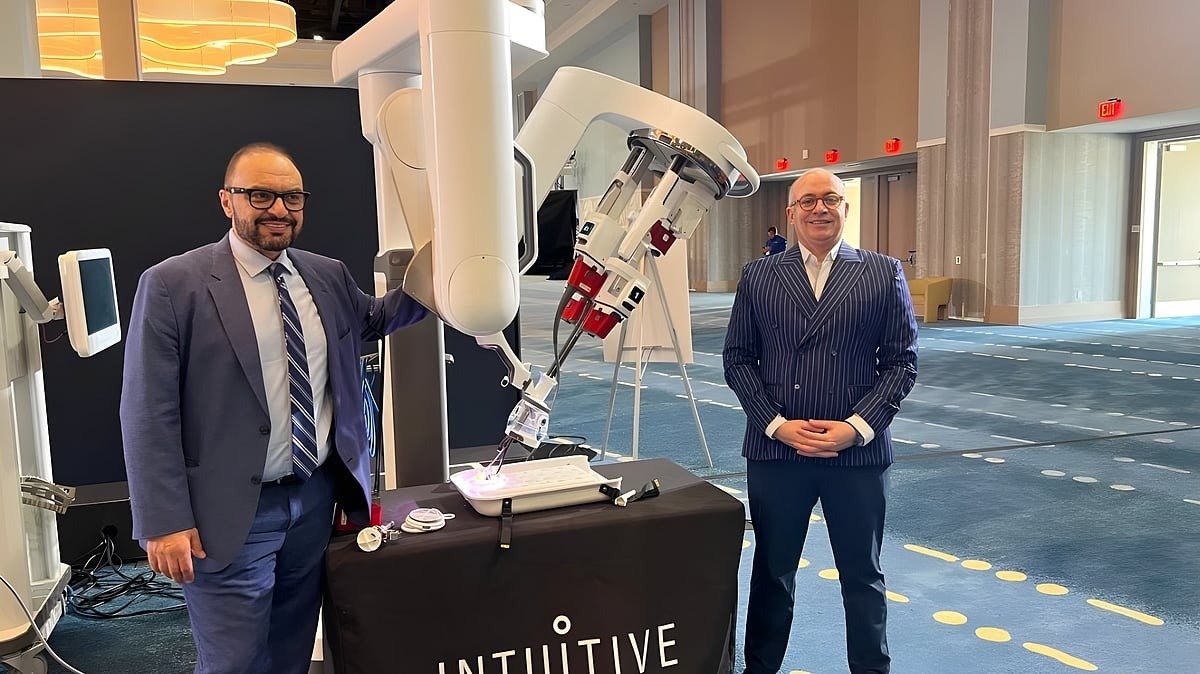
The next chapter in heart care will be shaped by artificial intelligence, robotic surgery, and wearable technology. AI is already being used to analyze scans with greater accuracy, identify hidden risks, and even predict potential heart problems before they occur. Robotic-assisted surgery allows for greater precision during delicate procedures, minimizing the chance of complications.
Meanwhile, smart devices—from fitness trackers to specialized cardiac monitors—are empowering patients to take control of their health. Real-time data shared with doctors means conditions can be tracked remotely, reducing the need for hospital visits and allowing for earlier interventions.
Empowering Patients
For Dr Butt, one message stands out above all: awareness and prevention are just as important as treatment. Regular check-ups, lifestyle adjustments, and early testing can dramatically reduce the risk of life-threatening cardiac events.
“Heart care has never been more advanced, but the first step is still in the patient’s hands,” he says. “Prevention and early detection will always save more lives than emergency intervention.”
Heart Matters Series
Heart Matters, hosted by Lachlan Kitchen, is a vodcast series that explores different aspects of cardiovascular health, from prevention to cutting-edge treatment. Produced in collaboration with King’s College Hospital London in Dubai, the series aims to raise awareness about heart disease in the UAE and beyond.
Episodes are available across all major podcast platforms, offering viewers practical insights from leading cardiologists and healthcare experts.
Related News