

UAE Launches ‘Synthetic Memories’ AI Project to Aid Alzheimer’s Patients
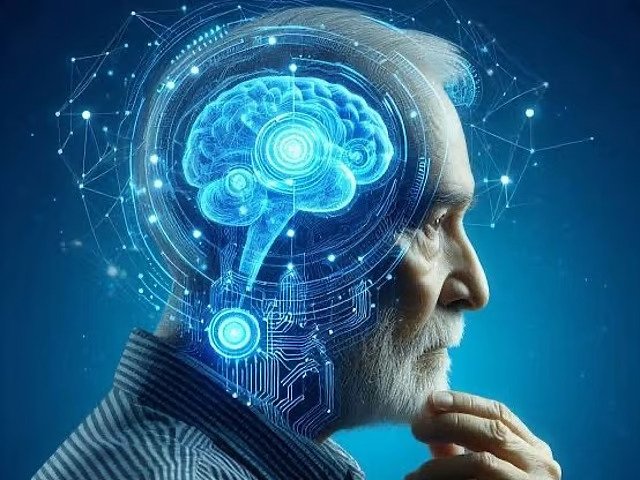
In a groundbreaking initiative coinciding with World Alzheimer’s Day, the Mohammed Bin Rashid Center for Government Innovation and Emirates Health Services have launched the first phase of clinical trials for the “Synthetic Memories” project at Al Amal Psychiatric Hospital. This first-of-its-kind program in the region leverages generative AI to digitally recreate lifelike memories for Alzheimer’s and dementia patients, helping stimulate memory recall and enhance emotional and psychological responses.
How Synthetic Memories Works
The AI system uses information provided by patients and their families to generate personalized visual content, such as images and video clips of past experiences. This content is applied within guided therapy sessions, providing an immersive and emotionally engaging experience for patients.
The project also integrates UAE-specific cultural and historical references, drawing on archival photographs from the 1950s and 1960s. Researchers and historians verified these materials to ensure accuracy, helping patients reconnect with their personal and cultural past.
Collaboration and Training
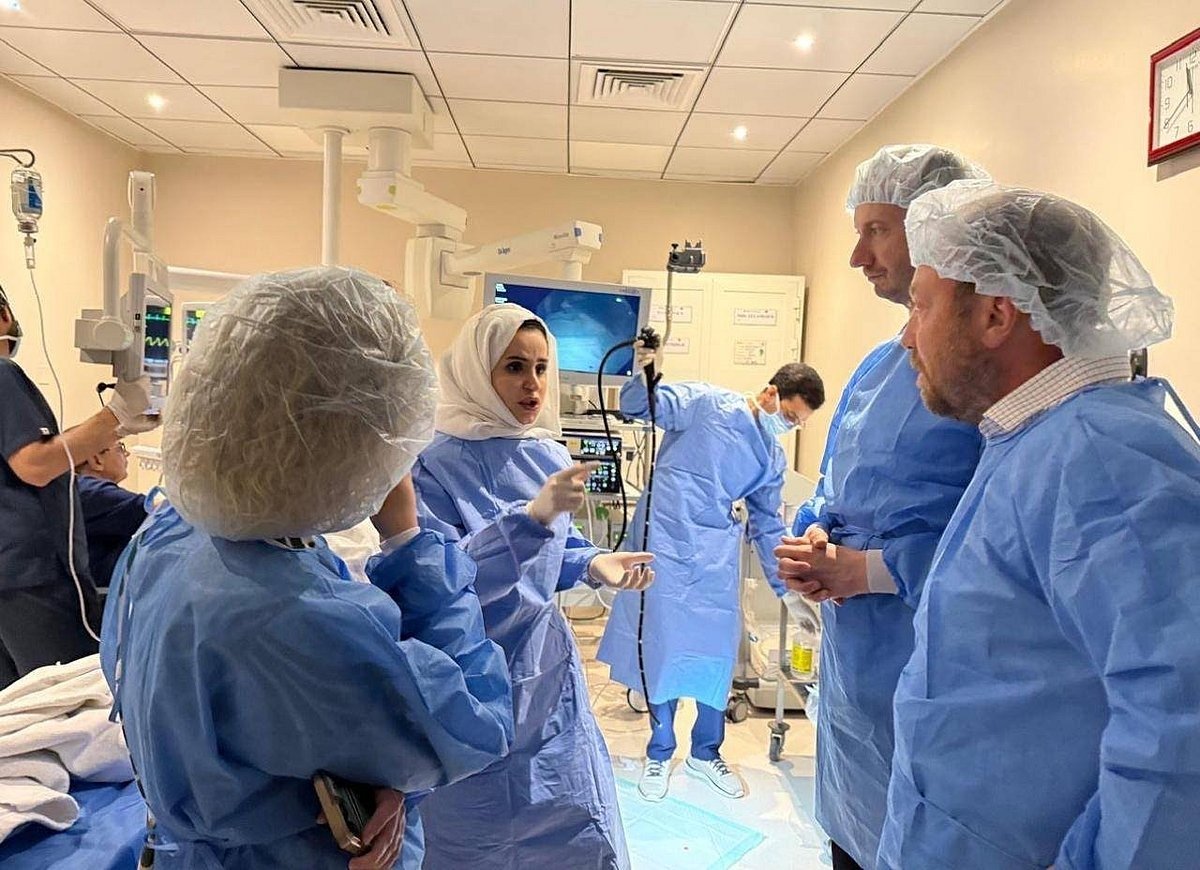
The initiative is implemented in partnership with Spanish company Domestic Data Streamers, which trained UAE psychologists to apply the AI technology safely and effectively.
The project merges advanced technology with human-centered care, allowing clinicians to create a therapeutic environment that strengthens emotional connections between patients, families, and communities.
National Vision and Healthcare Innovation
Abeer Tahlak, Director of the Mohammed Bin Rashid Center for Government Innovation, said the project reflects the UAE Government’s vision of using innovation to improve quality of life and sustainability across sectors. She emphasized that “Synthetic Memories” demonstrates how advanced technology can transform challenges into actionable opportunities, highlighting the UAE’s leadership in AI-powered solutions.
Dr. Noor Al Muhairi, Director of the Mental Health Department at Emirates Health Services, described the initiative as a forward-looking therapeutic approach that blends scientific advancement with human needs, creating new pathways for emotional engagement and psychological recovery.
Dr. Ammar Hamid Al Bana, Director of Al Amal Psychiatric Hospital, added that clinical trials represent a turning point in mental health treatment, combining science, technology, and human empathy. He highlighted that synthetic memories are more than a tool—they are an emotional experience that reconnects patients with themselves and their past.
Clinical Outcomes
Initial trials have shown encouraging results, with patients displaying improved emotional engagement and responsiveness during therapy. Clinicians observed that revisiting memories visually enhances communication and adds a profound therapeutic dimension to psychological care.
Mental health professionals involved in training workshops expressed strong appreciation for the scientific and human value of the technology and indicated readiness to integrate it into clinical practice in line with ethical standards.
A Pioneering Emirati Model
The “Synthetic Memories” project exemplifies the UAE’s commitment to patient-centered innovation in mental health. By combining AI with cultural and historical context, the initiative not only aids therapy but also preserves memory and strengthens emotional ties with families and communities.
The collaboration between the Mohammed Bin Rashid Center for Government Innovation and Emirates Health Services continues to expand AI applications across health, education, economy, and social sectors. This approach ensures transformative solutions that improve quality of life while fostering cross-government collaboration.
Looking Ahead
Unveiled during Arab Health 2025, the project marks a significant milestone in healthcare innovation in the UAE. By applying AI to dementia treatment, the UAE demonstrates a future-ready model that merges technology with human empathy—offering hope for millions affected by Alzheimer’s and memory disorders.
Related News