

University of Sharjah Joins Global Research on Promising Infant Brain Injury Drug
University of Sharjah Joins Global Effort to Protect Newborns from Devastating Brain Condition
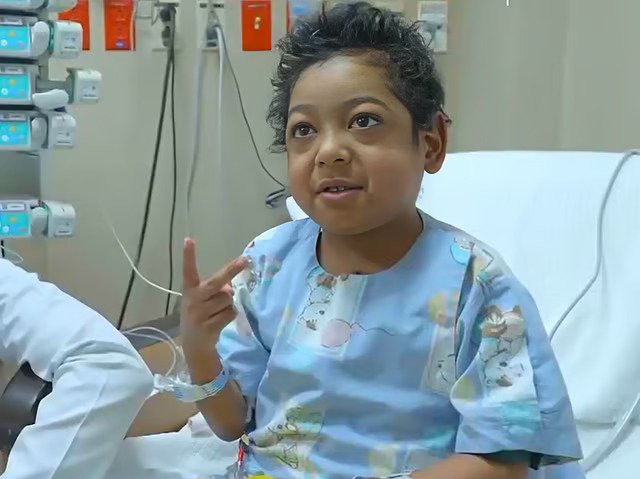
Sharjah, UAE – September 2025 – The University of Sharjah (UoS) is contributing to groundbreaking international research aimed at combating hypoxic-ischemic encephalopathy (HIE), a life-threatening brain injury caused by reduced oxygen and blood flow around birth. HIE is a leading cause of long-term neurological disabilities, including motor and cognitive impairments in children, yet current treatments, like therapeutic hypothermia, offer only partial protection.
Promising Experimental Drug: BRT_002
Researchers are investigating BRT_002, a purine derivative drug, in animal models that mimic HIE conditions. The results, published in Neurotherapeutics in June 2025, showed that BRT_002 significantly reduced brain damage, improved neuronal health biomarkers, and enhanced cellular energy. Proteomic analyses revealed increases in key proteins such as Agrin, Zyxin, and Synaptotagmin-5, which support neuron survival, repair damaged cells, and aid recovery.
The University of Sharjah’s Role
The UoS research team included:
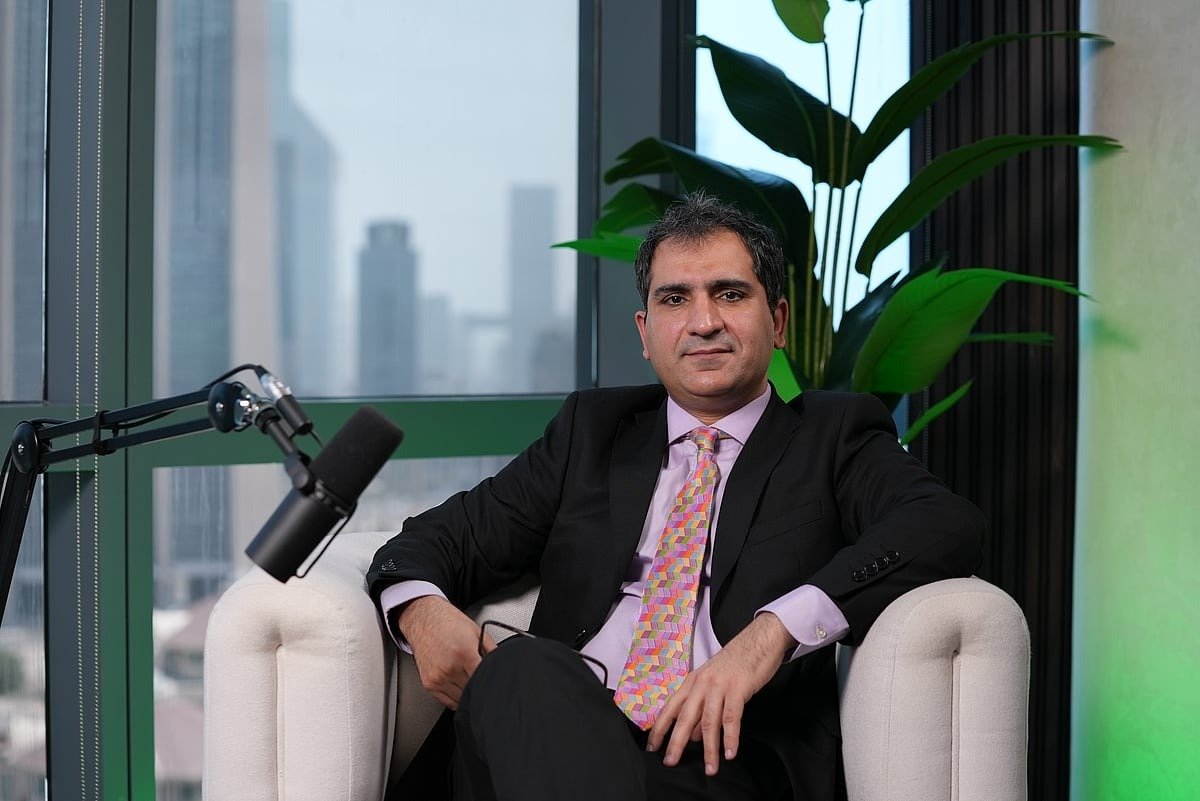
Professor Rifat Hamoudi – Molecular and Cellular Pathology, Computational Medicine, and Bioinformatics
Dr. Rania Harati – Molecular Pharmacology
Dr. Amal Bouzid – Bioengineering, Bioinformatics, and Human Genetics
Their expertise in pharmacology, computational medicine, and bioinformatics helped analyze BRT_002’s molecular effects, offering critical insights into the drug’s protective mechanisms.
Global Collaboration
The project brought together scientists from France, the United States, Sweden, and other countries, demonstrating a worldwide commitment to advancing neonatal care. The University of Sharjah’s involvement highlights the UAE’s growing prominence in impactful medical research.
Implications for Newborns
HIE survivors often face lifelong conditions such as cerebral palsy, epilepsy, and developmental delays, placing emotional and financial strain on families. BRT_002 has the potential to directly protect neurons and enhance brain repair, potentially reducing permanent disabilities in affected infants.
Still Preclinical
Despite promising results, BRT_002 remains in the preclinical stage. Extensive further research, including clinical trials, is required to confirm safety and efficacy for human newborns. If successful, the drug could become part of a new generation of neonatal neuroprotective therapies.
Looking Ahead
The study underscores the importance of international collaboration in medical research. As Professor Hamoudi notes, while BRT_002 is not yet ready for clinical use, the findings open new avenues for treatment and offer hope to families worldwide. The University of Sharjah’s role in this effort reinforces the UAE’s position as a hub for innovative and globally significant medical research.
Key Takeaways:
BRT_002 shows significant neuroprotective effects in preclinical HIE models.
Proteins like Agrin, Zyxin, and Synaptotagmin-5 are linked to neuron survival and recovery.
UoS researchers played a pivotal role in pharmacology, bioinformatics, and molecular analysis.
The project involves international collaboration, with partners from the US, France, and Sweden.
Human clinical trials are still needed before BRT_002 can be used in newborns.
Related News