
UAE & GCC Shoppers Turn to AI Meal Plans to Cut Food Costs
Dubai: AI Helps GCC Shoppers Tackle Rising Grocery Bills
Grocery prices across the GCC are on the rise, putting pressure on household budgets. Rather than simply cutting back, many consumers in the UAE and Saudi Arabia are turning to technology to stretch their dirhams and riyals further. AI-driven meal planning, health apps, and smart grocery tools are not only saving money—they’re also helping families eat healthier and reduce food waste.
According to PwC Middle East’s Voice of the Consumer 2025 report, over 40% of shoppers in the region now use AI for personalised meal and fitness plans. This trend is reshaping grocery habits, encouraging smarter spending, and promoting healthier lifestyles.
Why AI Meal Planning Is Gaining Popularity
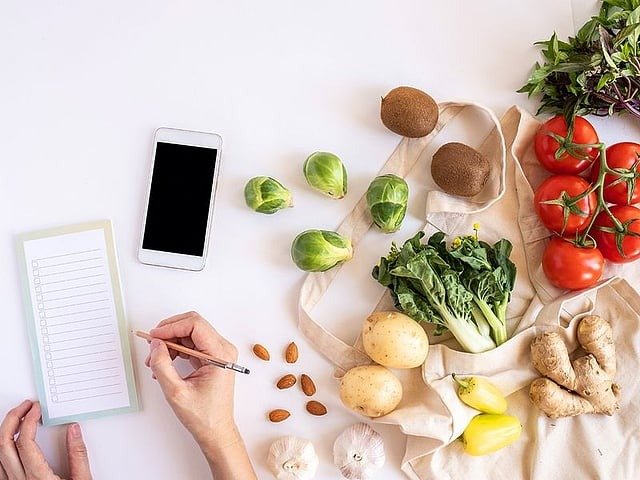
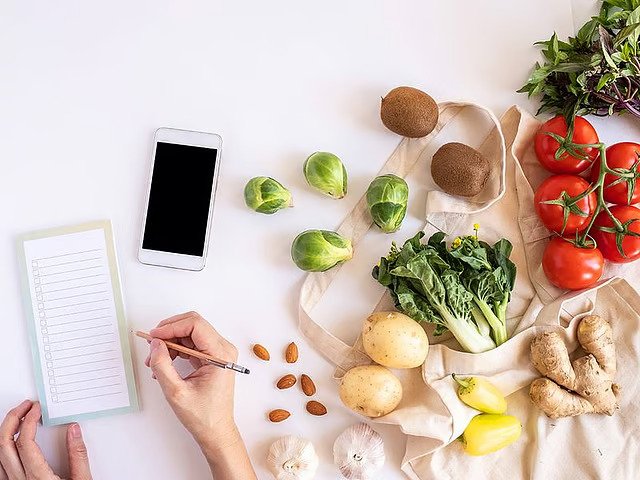
Imagine asking ChatGPT or a similar AI tool to create a week’s worth of meals under Dh100. That’s exactly what many households are doing. AI-generated grocery lists and meal plans allow families to:
Plan meals in advance, avoiding impulse purchases.
Build low-cost, nutrient-rich shopping baskets tailored to personal needs.
Sync lists with fitness apps and calorie trackers.
Reduce expensive takeout by sticking to home-cooking reminders.
Instead of wandering supermarket aisles and overspending, families now rely on data-driven decisions that balance nutrition and budgets.
Lifestyle Shift, Not Just Technology
This isn’t merely a digital habit—it reflects a broader lifestyle transformation in the Middle East. Rising costs, coupled with a focus on health and sustainability, are changing consumer expectations.
Norma Taki, Deals Partner and Consumer Markets Leader at PwC Middle East, explains:
“Consumers in the region are redefining expectations from the food industry. Health, convenience, and trust now top the menu. At the same time, rising costs and climate pressures are pushing both consumers and companies to make smarter, sustainable choices.”
For retailers, this means the future will reward affordable, nutritious, and tech-enabled solutions.
How GCC Shoppers Are Changing Habits
PwC’s report highlights key trends among GCC consumers:
67% actively avoid ultra-processed foods.
9% use weight-management drugs like Ozempic—nearly double the global average.
28% subscribe to meal kits, often cheaper than dining out.
38% prefer local stores, seen as more affordable and community-focused.
Shoppers now demand platforms that offer:
Budget-friendly, auto-generated menus to reduce waste.
Discounts on bundled healthy items.
Recipe scanning tools that link meals with in-store offers.
Sustainability features, such as local or seasonal produce recommendations.
Wellness Meets Wallet
While saving money is a key driver, wellness remains central. With climate concerns rising, 75% of GCC consumers care about sustainability. Taste and price are important, but shoppers increasingly favour local, seasonal, and responsibly sourced products, especially when they are cost-effective.
Looking Ahead: AI and Food in the GCC
With food prices expected to rise further, AI and wellness tech are set to play an even bigger role. Future developments may include:
Grocery apps that auto-adjust shopping lists based on budget.
Nutritionist-approved home meal kits cheaper than eating out.
Smart fridges suggesting recipes based on available ingredients.
Personalised discounts tailored to health goals and spending habits.
PwC projects that by 2035, the Middle East’s food-tech-health ecosystem could generate $240 billion in market value, driven by smarter agriculture, local innovation, and AI efficiencies.
What This Means for Everyday Shoppers
For UAE and Saudi households, these innovations translate to:
Better control over grocery bills.
Healthier eating without sacrificing convenience.
Reduced food waste through smarter planning.
Support for local and sustainable food options.
In short, the future of food shopping in the GCC is tech-driven, cost-conscious, and wellness-focused. What started as a strategy to save money at checkout may soon transform how millions of families across the region think about food.
Related News