

Stomach Pain Turns Out to Be Heart Attack: UAE Expat’s Survival Story
Abu Dhabi: For many people, stomach discomfort is often dismissed as indigestion, acidity, or gas. However, on World Heart Day (September 29), doctors in Abu Dhabi highlighted a powerful reminder—sometimes these “trivial” signs can actually be symptoms of a heart attack.
This truth came to light when Ahmed Sathar (name changed on request), a 53-year-old driver from Kerala, experienced severe stomach pain while at work in the UAE. What he believed was nothing more than a gastric issue turned out to be a life-threatening heart attack.
A Misleading Symptom
Sathar walked into the Emergency Department of Burjeel Medical City (BMC) complaining of stomach discomfort. An otherwise healthy man with no history of serious illness, he assumed the pain was due to gas or indigestion. But hidden behind the pain was a dangerous condition—ST-elevation myocardial infarction (STEMI), a major heart attack caused by a blocked coronary artery.
Doctors later explained that heart attacks don’t always present themselves with the “classic” crushing chest pain. In many cases, especially in older adults, the signs can appear as stomach pain, upper abdominal discomfort, or even unexplained sweating. Sathar’s case became a textbook example of this.
Nurses Who Spotted the Warning Signs
At first glance, Sathar did not look like a critical patient. But the experienced nursing team at BMC noticed his heavy sweating and unusual discomfort. Charge Nurse Mary Jernie Alba, along with senior nurses Nitty Nicholas and Sehida Rahjuna Padikkal, quickly sensed something more serious.
Within minutes, they activated the chest pain pathway, a protocol designed to detect cardiac emergencies early. An ECG (electrocardiogram) was performed right away, which revealed that Sathar was having a massive heart attack.
Before he could even process the results, his condition worsened, and he collapsed in the emergency room.
Race Against Time
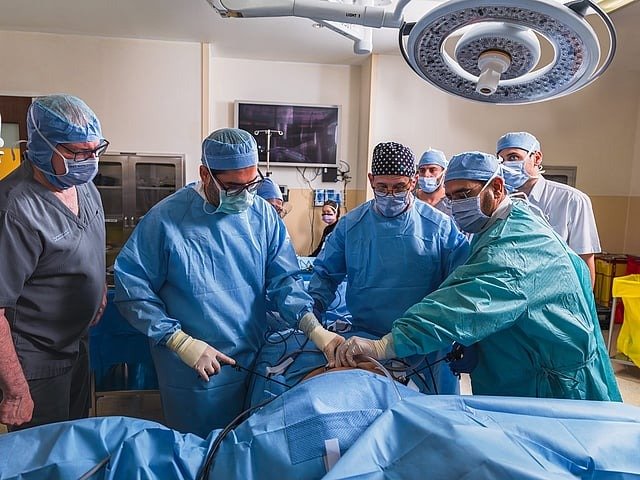
The medical team immediately called a “Code Blue”—the hospital’s emergency response for cardiac arrest. In a perfectly coordinated effort, doctors and nurses secured his airway, performed resuscitation, and stabilized his condition in less than five minutes.
“He was on the brink of cardiac arrest,” said Dr. Malcolm Borg, Consultant and Group Head of Emergency Medicine at BMC. “The rapid teamwork and immediate ECG saved his life. If there had been any delay, the outcome could have been very different.”
Sathar was quickly transferred to the Cath Lab, where doctors opened his blocked artery. This procedure restored blood flow to his heart and prevented permanent damage.
A Remarkable Recovery
Just two days later, Sathar was able to walk out of the hospital and return to his family—a remarkable turnaround for someone who had nearly lost his life.
“This case highlights why awareness is so important,” said Dr. Borg. “Heart attacks can be deceptive. They don’t always come with sharp chest pain. Sometimes they show up as stomach discomfort, heartburn, or unexplained sweating. The key is to act fast and never ignore these symptoms.”
Why Every Minute Matters
Doctors call the first few minutes of a heart attack the “golden window.” Immediate diagnosis and treatment during this period can mean the difference between life and death. Sathar’s survival was possible because of the quick instincts of the nurses, the rapid ECG, and the availability of a specialized Chest Pain Centre accredited by the American Heart Association at BMC.
Without this swift response, the blocked artery could have caused irreversible damage—or worse, ended his life.
A Message for the Community
Sathar later admitted that he had ignored similar stomach discomfort and excessive sweating on previous occasions, assuming it was related to food or fatigue. But on that day, the pain became stronger and radiated into his chest, pushing him to seek help.
Doctors warn that many patients make the same mistake, waiting too long or self-medicating for what they think is acidity or gas. Unfortunately, in some cases, this delay proves fatal.
“Even small symptoms can hide something serious,” Dr. Borg cautioned. “If you feel unexplained stomach pain, chest tightness, breathlessness, or unusual sweating, don’t ignore it. Visit the ER immediately. Because when it comes to the heart, every minute truly matters.”
Conclusion
On this World Heart Day, Sathar’s story serves as a reminder for everyone—never dismiss persistent or unusual symptoms. What feels like “just gas” could actually be a silent warning from your heart. Thanks to timely medical intervention, this UAE expat was given a second chance at life, but not everyone may be as fortunate. Awareness, quick action, and timely care can save lives.
Related News