
Iran’s Mojtaba Khamenei Unveils ‘New Legal Frameworks’ for Hormuz, Makes Shock Appeal to Gulf States
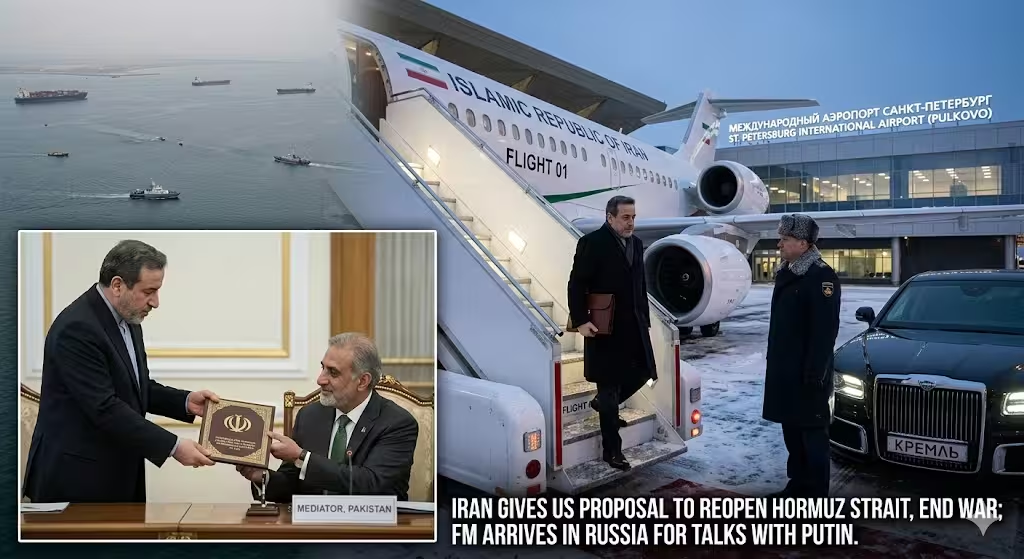
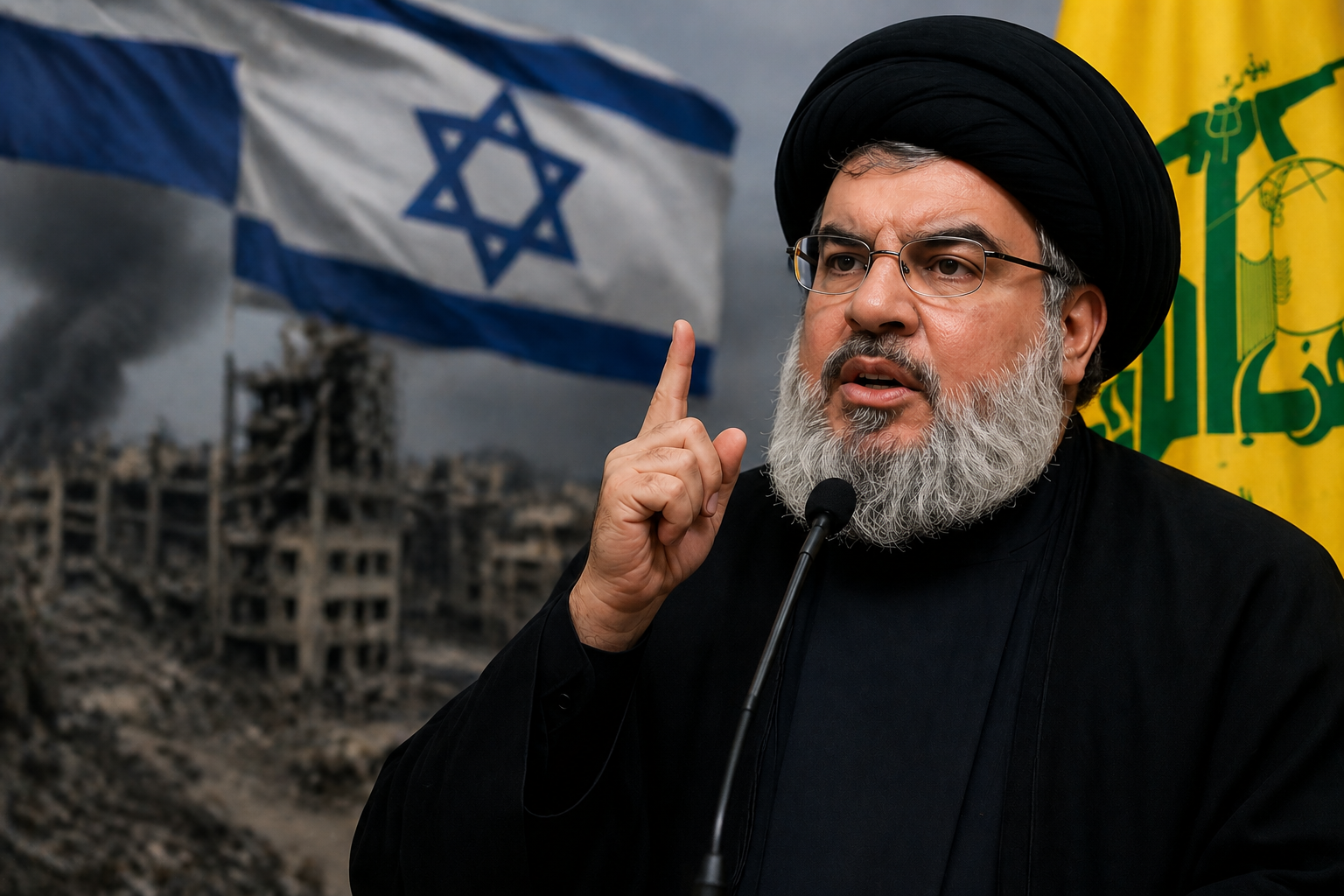
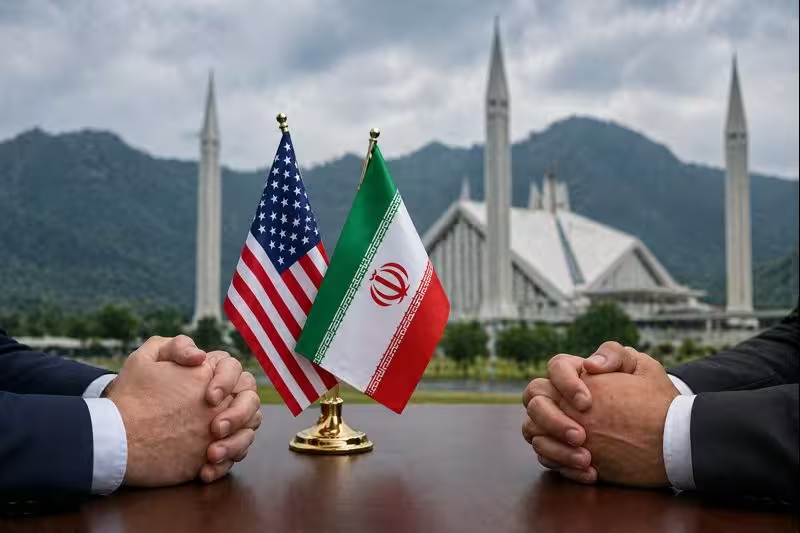
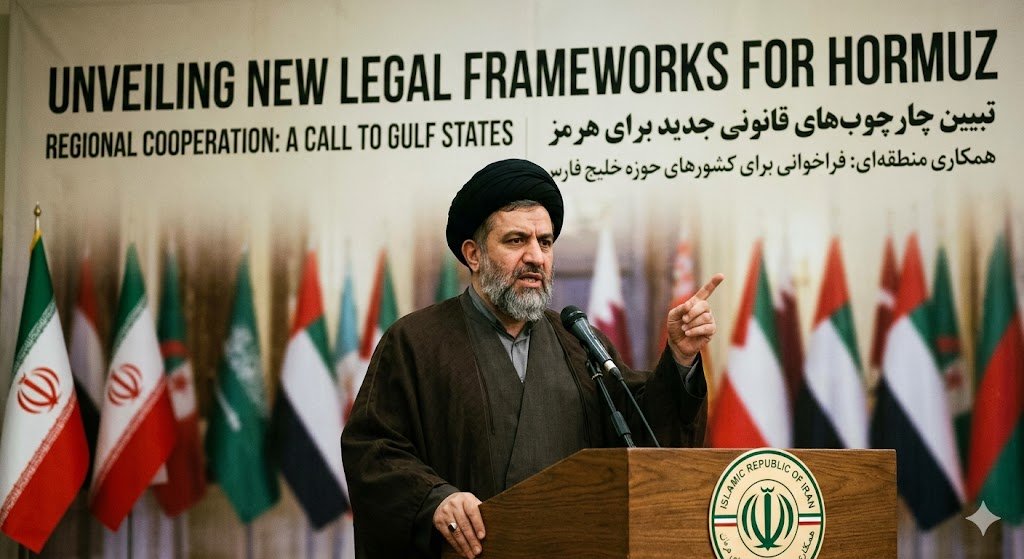
Iran’s Supreme Leader Mojtaba Khamenei has announced the introduction of “new legal frameworks” for managing the strategically vital Strait of Hormuz, in a bold move seen as direct defiance of the United States and its regional influence.
In a formal message, Khamenei said the new framework marks the beginning of a “new phase” in Gulf governance, emphasizing that the region’s future should be shaped by local nations rather than external powers. He argued that foreign presence—particularly that of the United States—has contributed to instability and should be removed from the region’s long-term security structure.
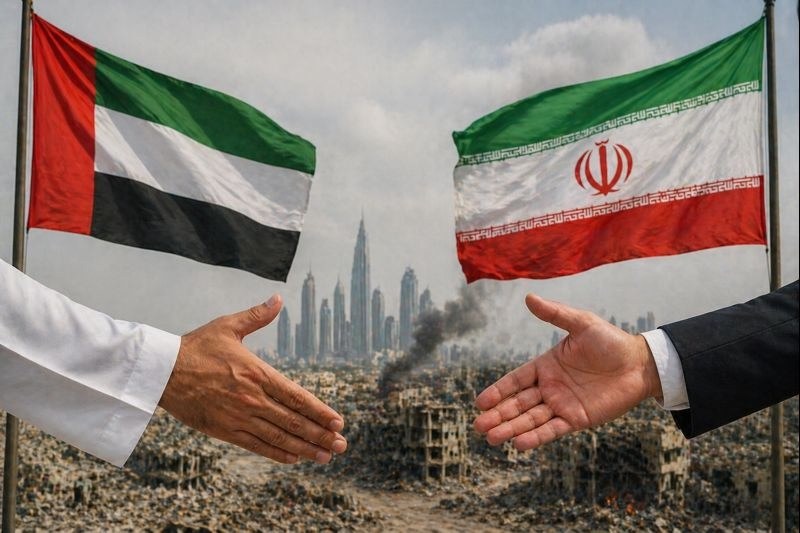
Khamenei also made a notable appeal to Gulf countries, urging them to cooperate with Iran in establishing a regional order based on shared interests, economic integration, and collective security. He suggested that the new Hormuz management system would bring “stability, progress, and economic benefits” to all countries in the region.
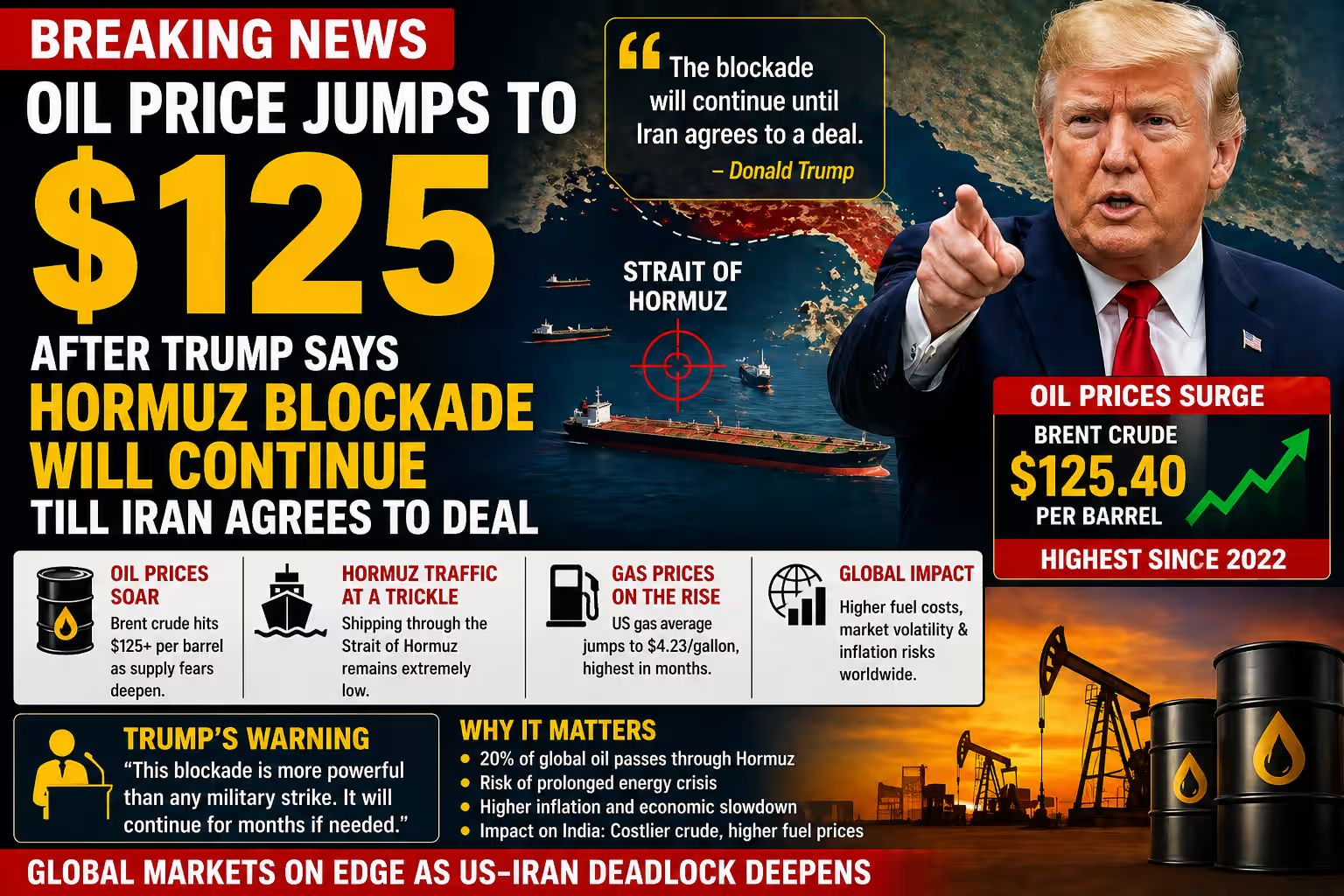
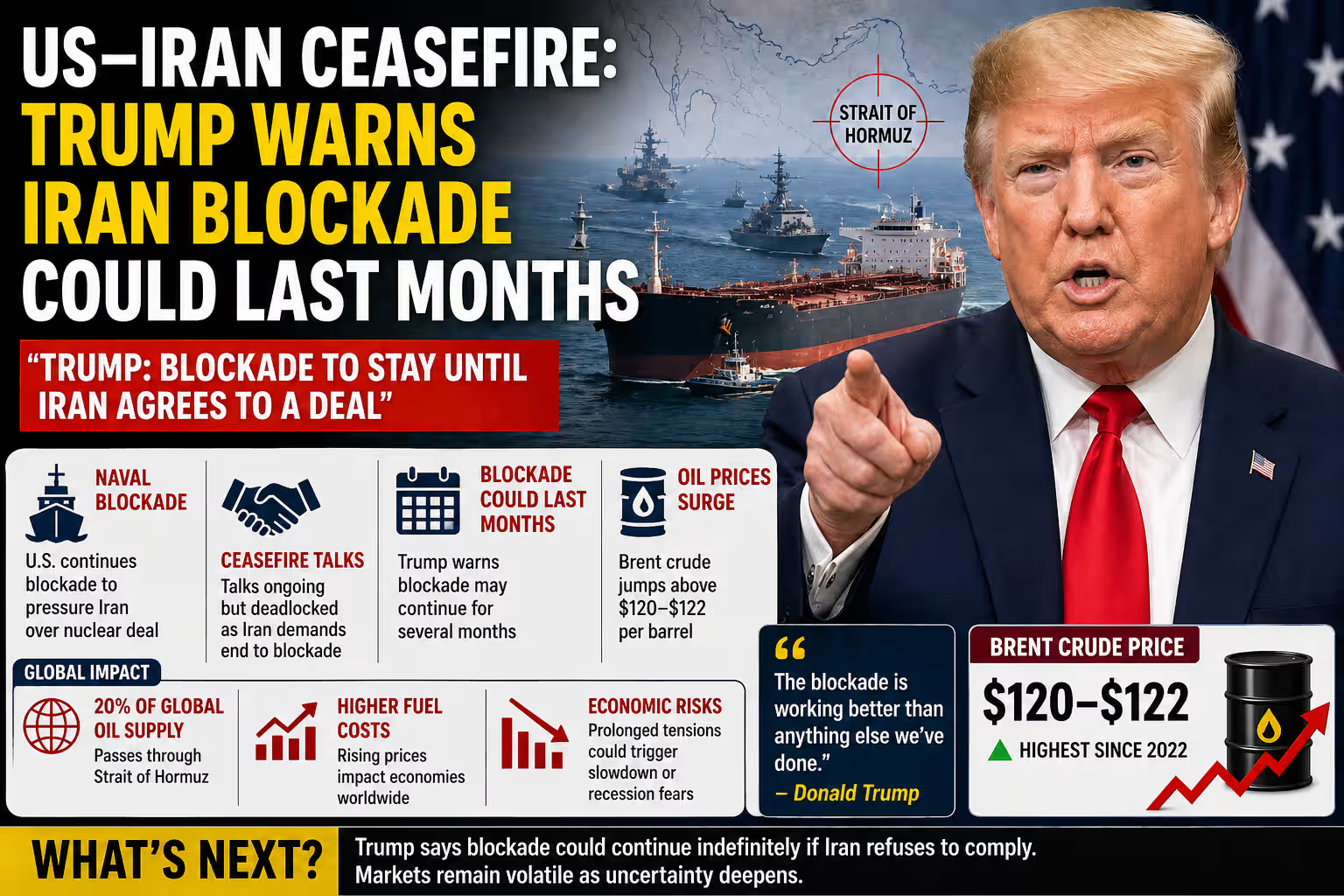
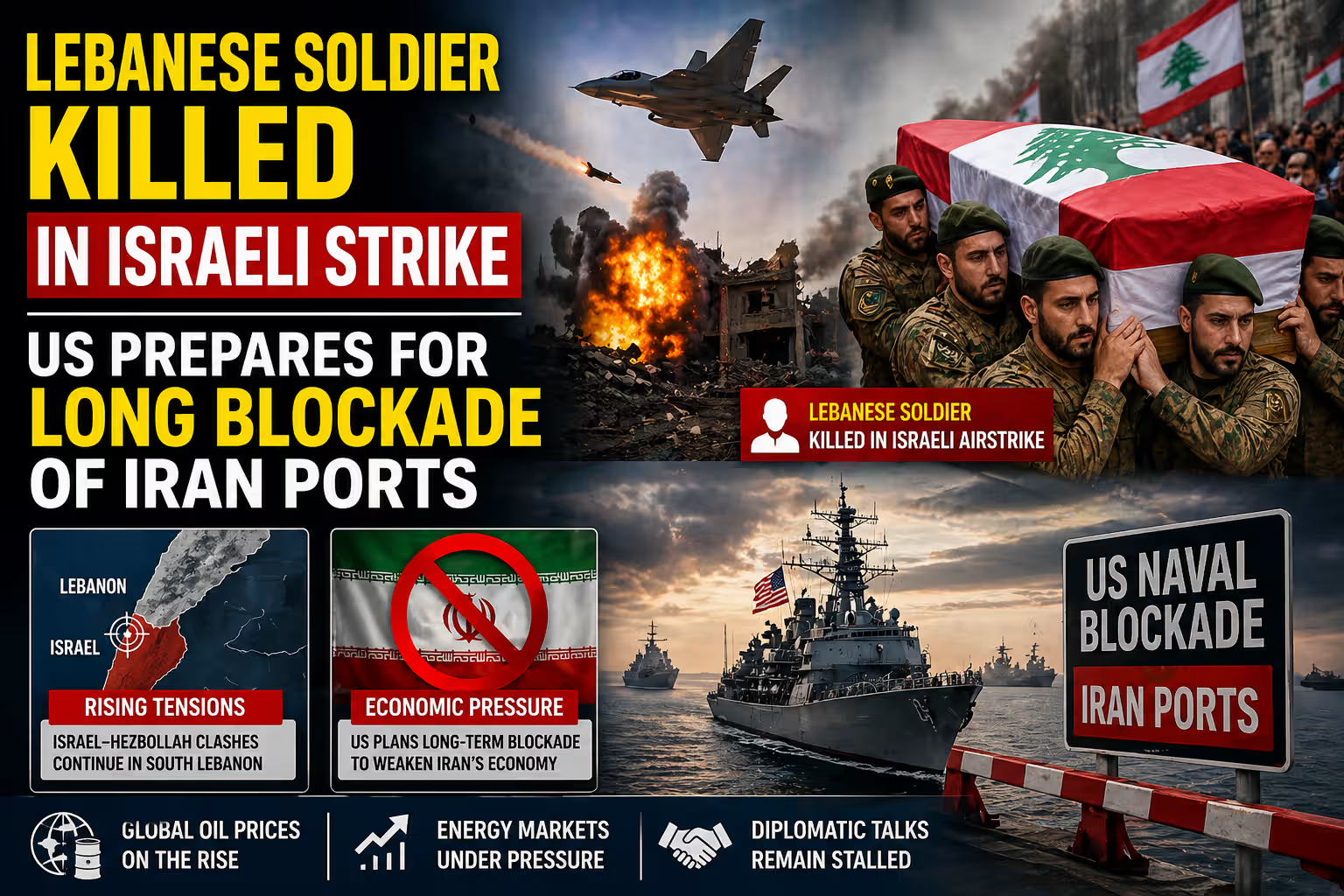
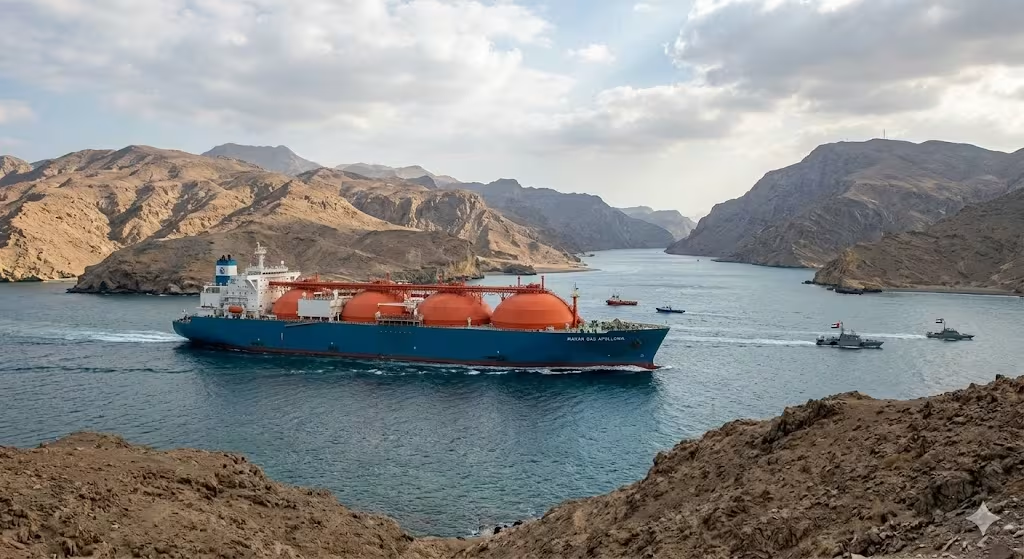
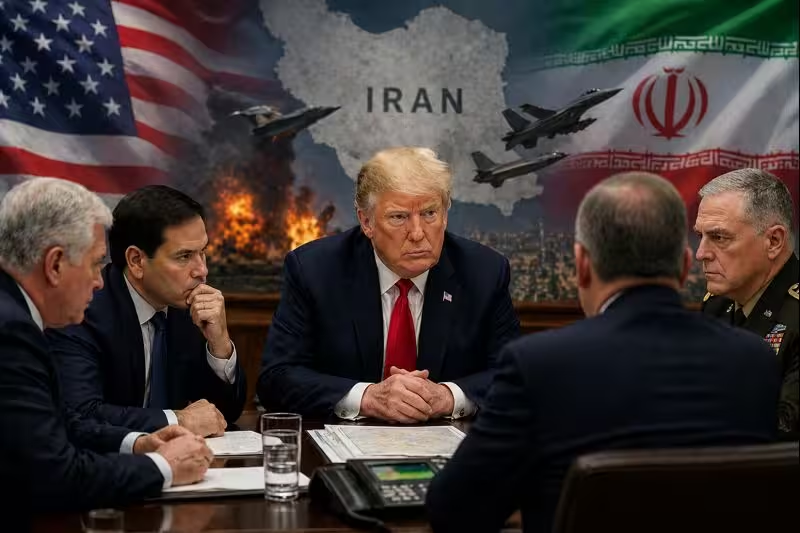
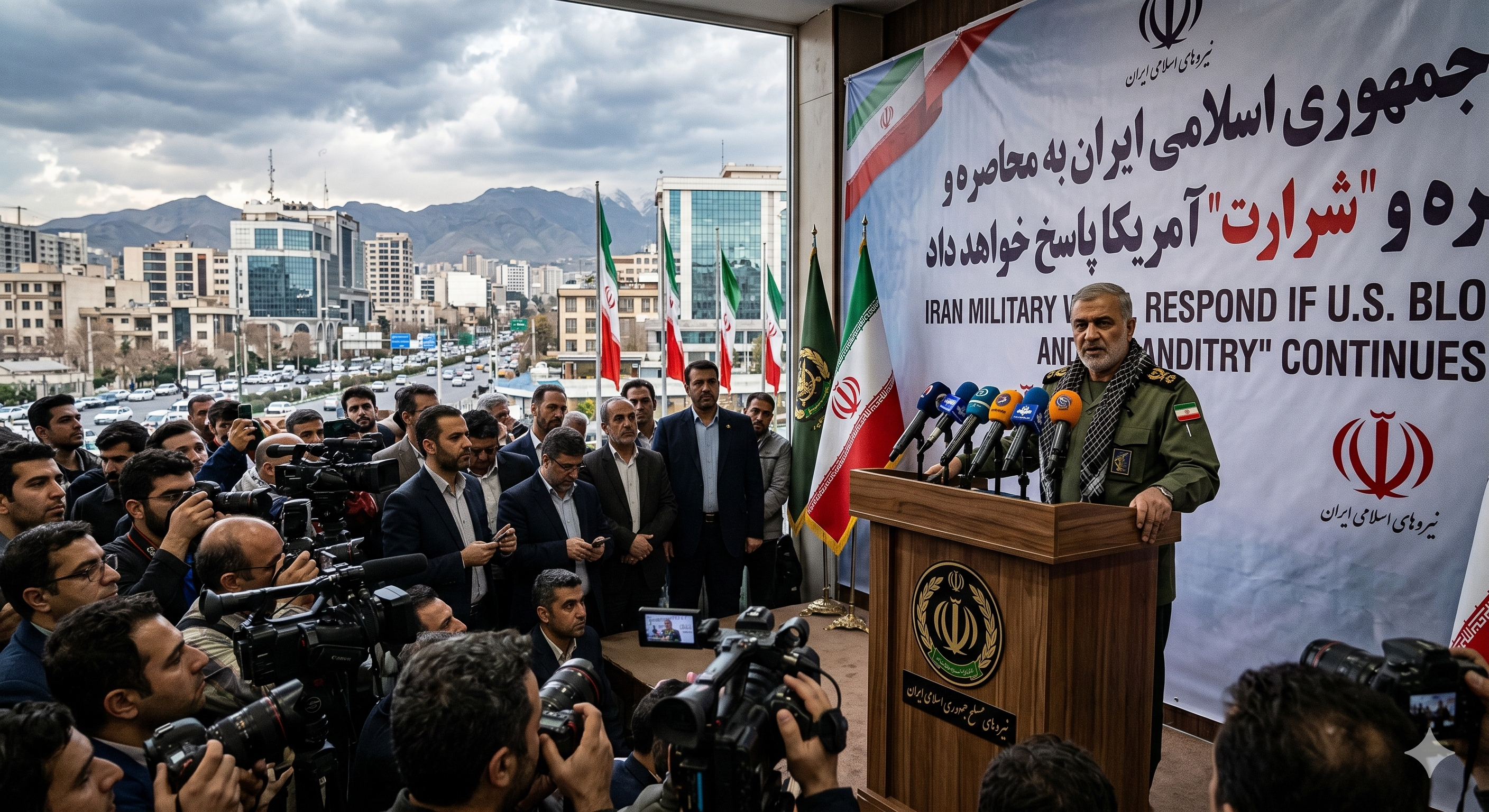
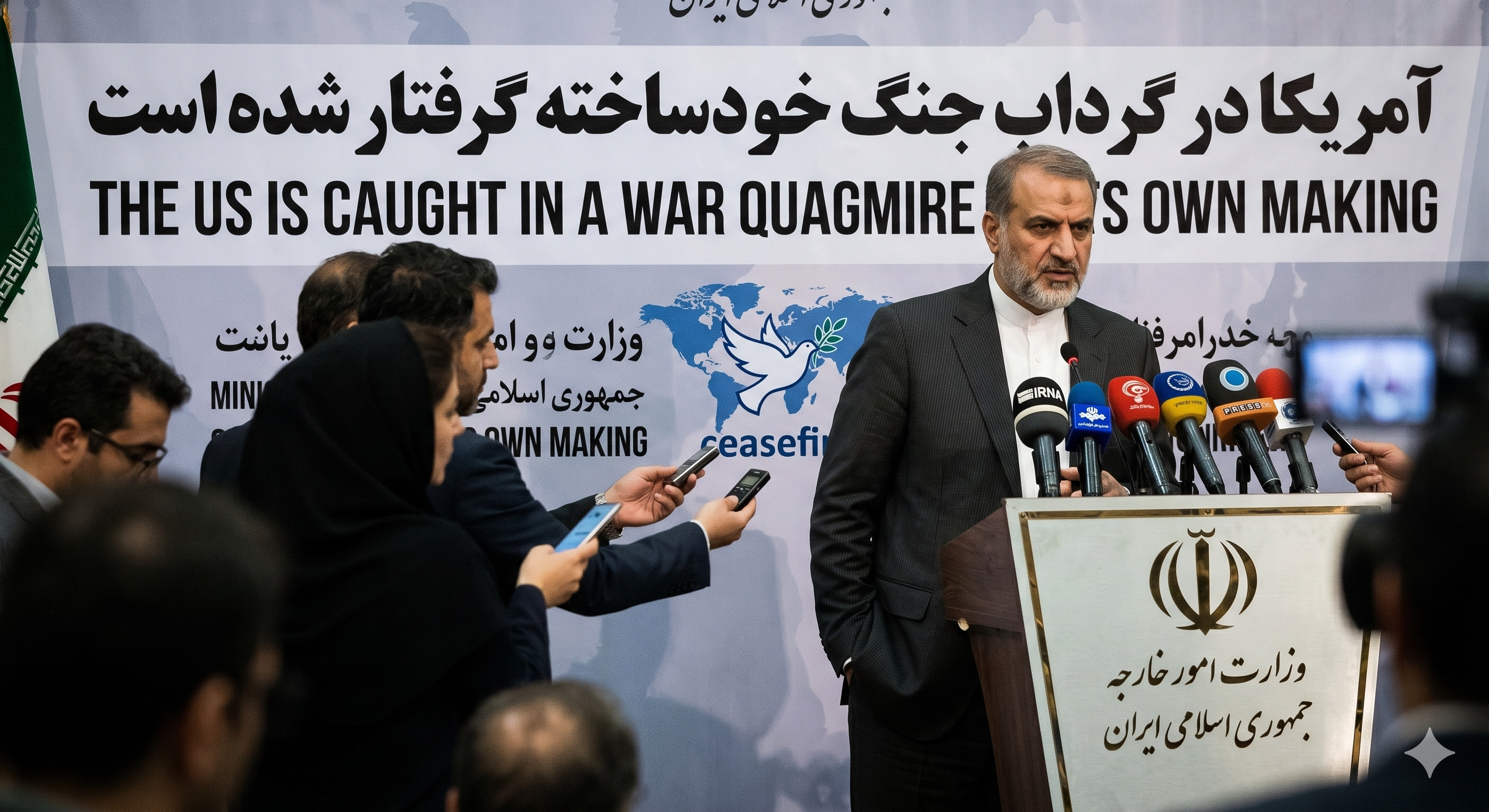
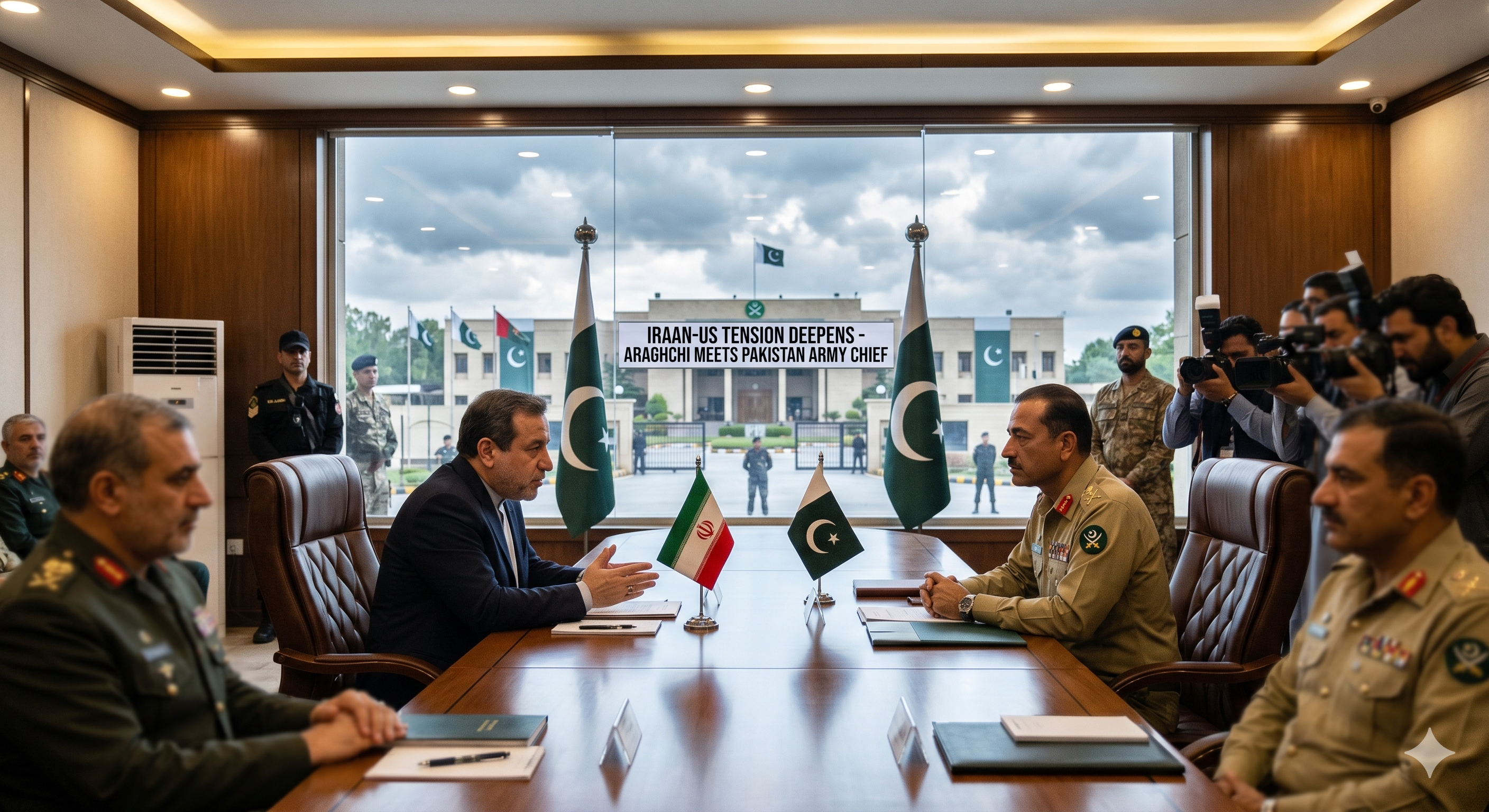
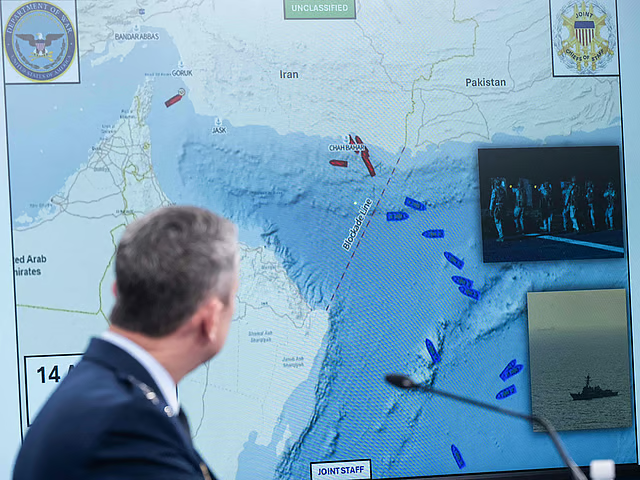
The announcement comes amid ongoing tensions following the recent Iran–US conflict, which disrupted shipping routes and global energy supplies through the Strait of Hormuz—one of the world’s most critical oil transit chokepoints.
Khamenei’s remarks also carried a strong geopolitical message, asserting that the Gulf’s future lies “without US presence” and positioning Iran as a central guarantor of regional security.
Analysts view this move as both a strategic and symbolic shift—signaling Iran’s intent to redefine the balance of power in the Gulf while attempting to draw neighboring states into a new regional framework led by Tehran. However, the proposal is likely to face skepticism from Gulf allies of the United States, raising questions about its practical implementation.
The situation remains highly volatile, with global markets closely watching developments around the Strait of Hormuz due to its critical role in international energy flows.
Related News