Abu Dhabi’s Economy Expands 3.8% in Q2 2025 as Non-Oil Sectors Drive Record Growth
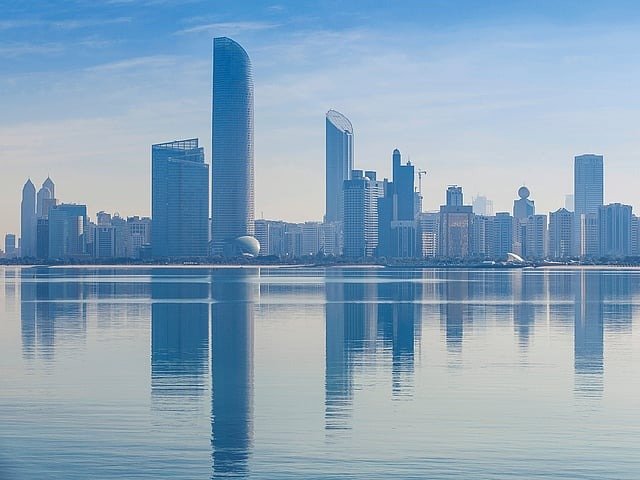
Abu Dhabi’s economy continues to show strong momentum, with new data confirming that the emirate is accelerating its diversification journey away from oil dependency. According to the Statistics Centre – Abu Dhabi (SCAD), the emirate’s real GDP grew by 3.8% year-on-year in Q2 2025, reaching Dh306.3 billion.
The real standout, however, was the non-oil economy, which expanded by 6.6% compared to the same period last year, reaching Dh174.1 billion—the highest quarterly value on record. For the first time in a second quarter, non-oil activities made up 56.8% of total GDP, underscoring the emirate’s success in building a future-ready and resilient economy.
Strong First-Half Performance
Looking at the first six months of 2025 as a whole, Abu Dhabi recorded a real GDP of Dh597.4 billion, marking a 3.63% increase over H1 2024. Non-oil sectors contributed Dh337.6 billion, growing at a robust 6.37% year-on-year.
Officials emphasized that the results reflect both resilience and vision. Ahmed Jasim Al Zaabi, Chairman of the Abu Dhabi Department of Economic Development (ADDED), attributed the gains to the emirate’s long-term strategy of competitiveness, innovation, and inclusivity.
“Our non-oil sectors, which achieved 6.6% growth in Q2 2025, are led by manufacturing, construction, finance, real estate, and ICT,” Al Zaabi said. “Abu Dhabi’s ‘Falcon Economy’ is building a globally competitive model driven by innovation and inclusive growth.”
Manufacturing and Construction Power Growth
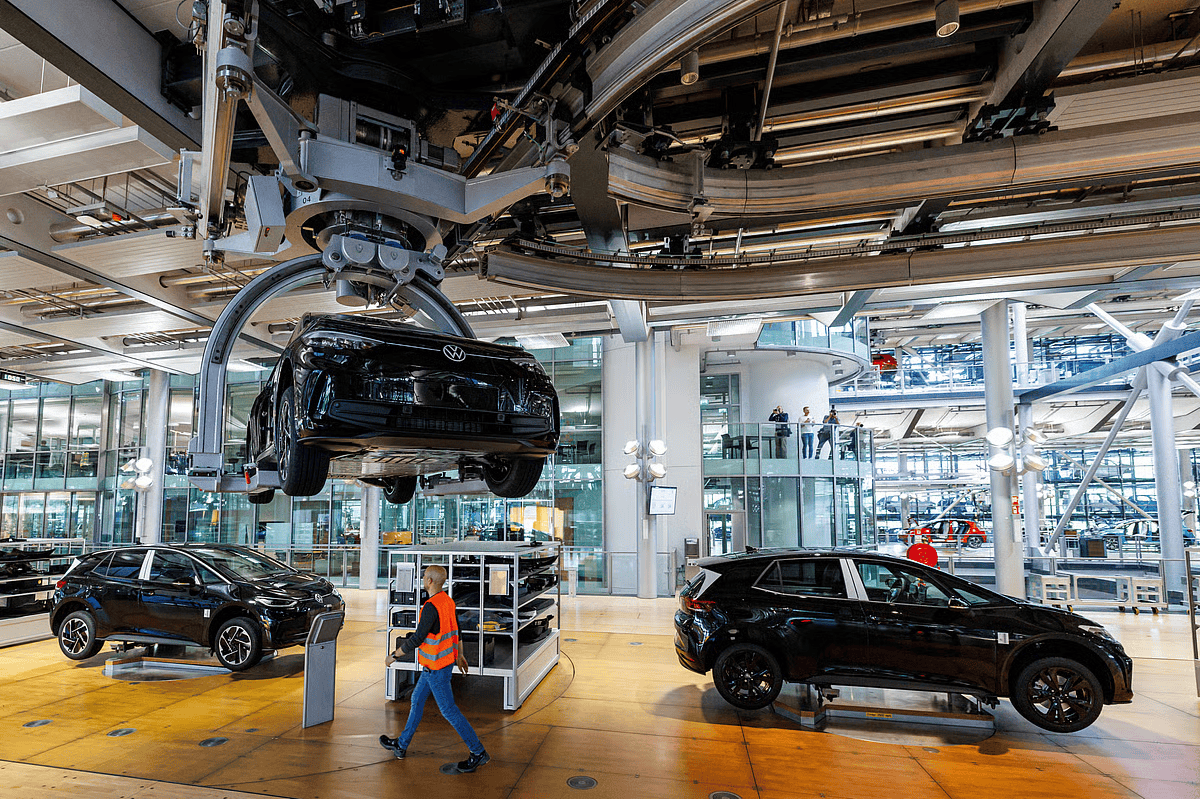
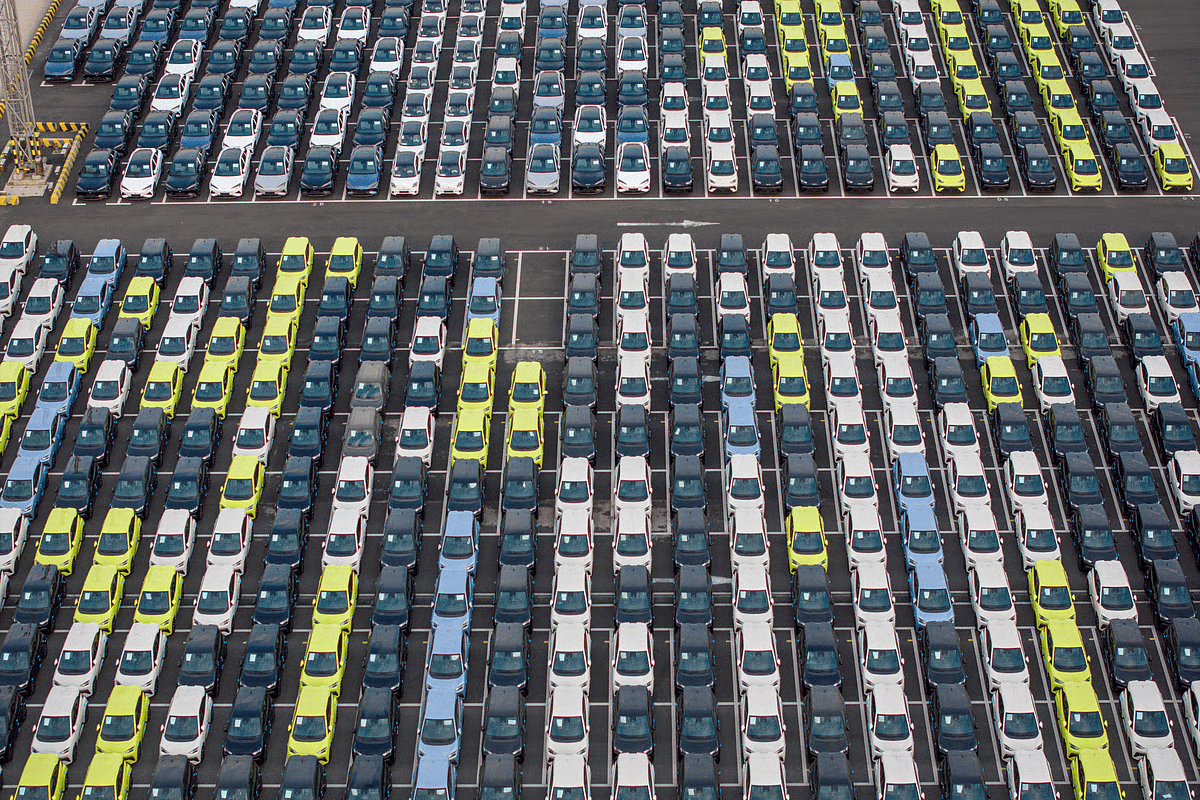
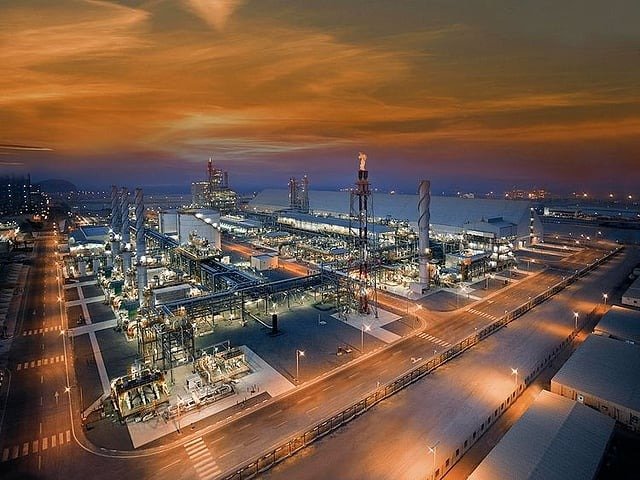
The manufacturing sector reached its highest value yet, supported by the Abu Dhabi Industrial Strategy, which focuses on advanced technologies, supply chain resilience, and industrial investments. This sector’s performance reinforced Abu Dhabi’s ambition to become a leading hub for manufacturing in the Middle East.
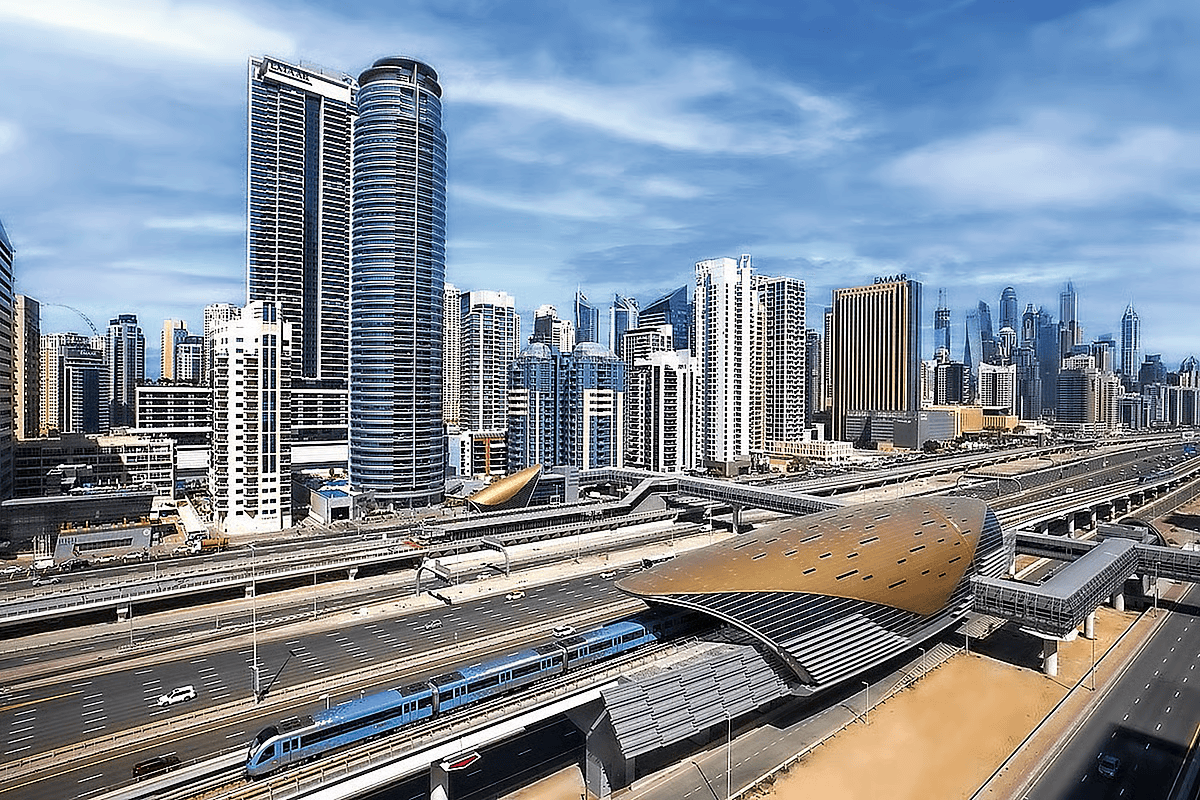
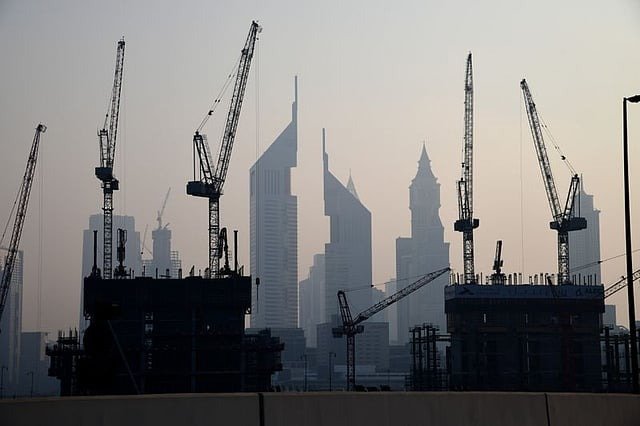
Construction surged nearly 10%, fueled by mega projects, population growth, and the introduction of digital platforms such as Binaa, which streamline permits and approvals. The boom reflects not only infrastructure expansion but also new housing and commercial demand, spurred by rising foreign investment and tourism.
Finance, Real Estate, and ICT Surge
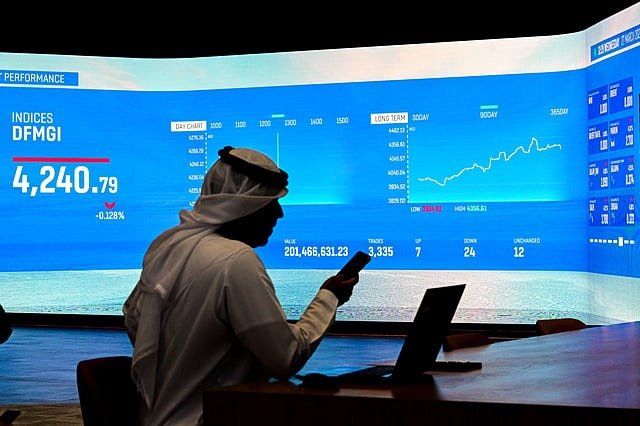
The financial sector posted gains of more than 10%, with the Abu Dhabi Global Market (ADGM) driving expansion in assets under management and new business registrations. Capital markets also saw a sharp rise in trading and foreign inflows, signaling strong investor confidence in the emirate’s economic stability.
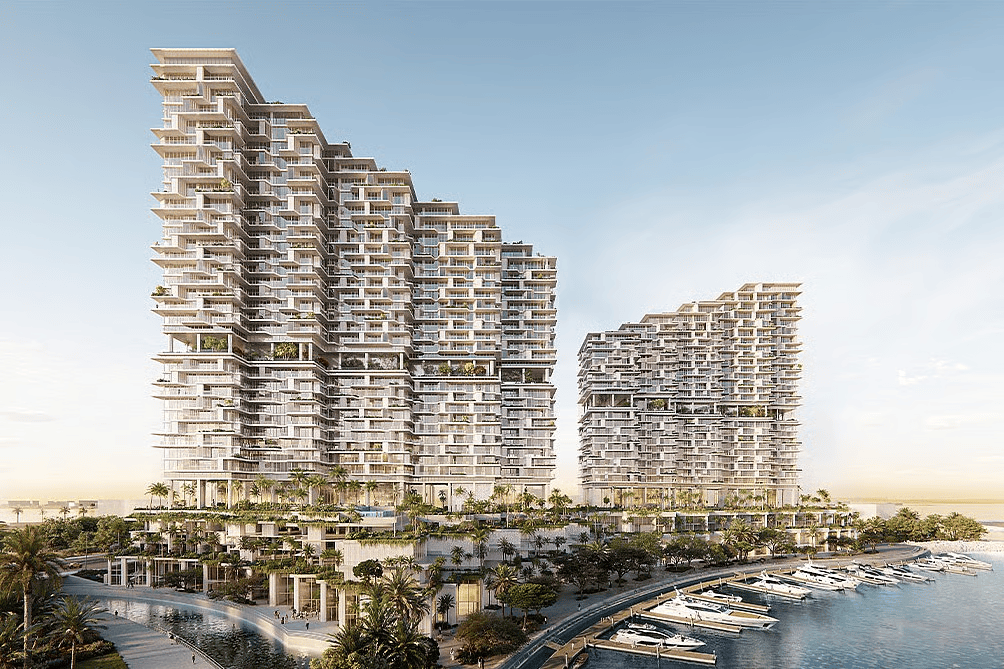
Real estate continued its strong upward trend with a 10% growth rate, supported by a rising population, foreign buyers, and continued reforms allowing expatriates to invest more freely.
Meanwhile, the ICT sector achieved its highest-ever quarterly value, bolstered by Abu Dhabi’s Dh13 billion Digital Strategy. This plan, which aims to transform the emirate into the world’s first AI-native government by 2027, is driving demand for advanced digital infrastructure, data centers, and cybersecurity.
Broad-Based Expansion
Other sectors also contributed to the upward momentum:
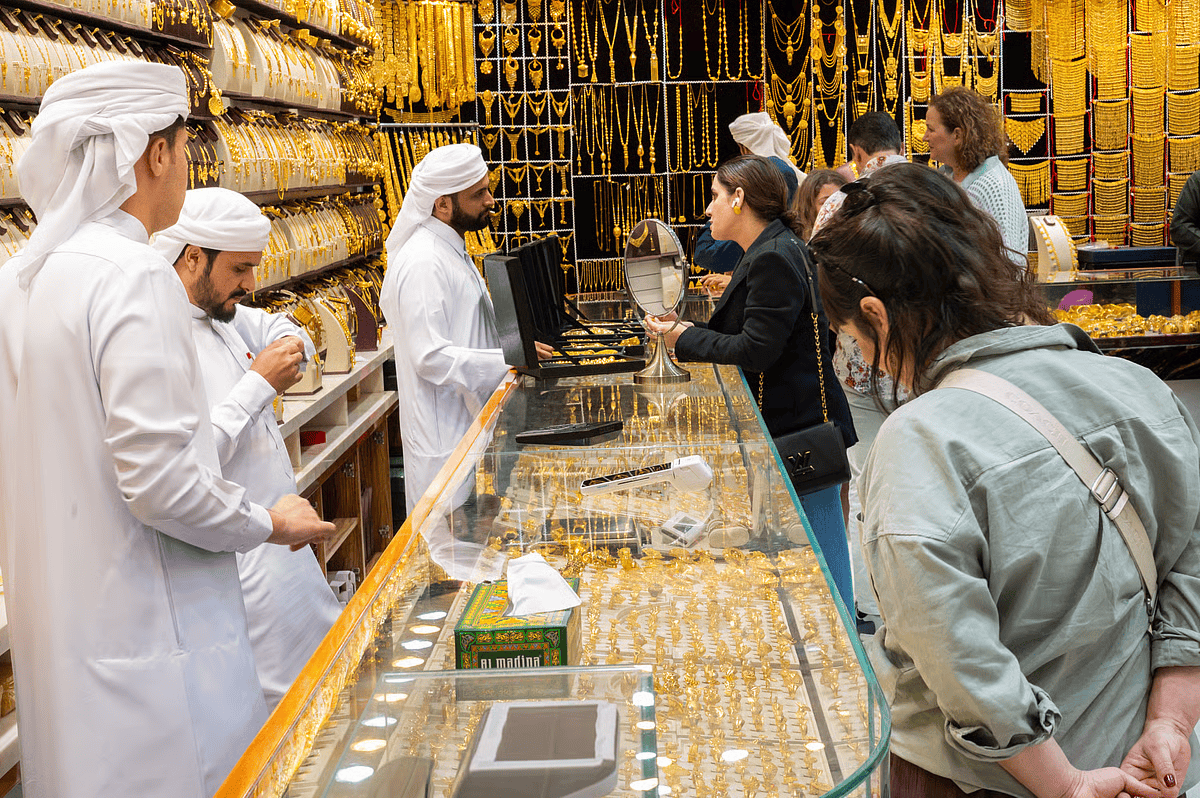
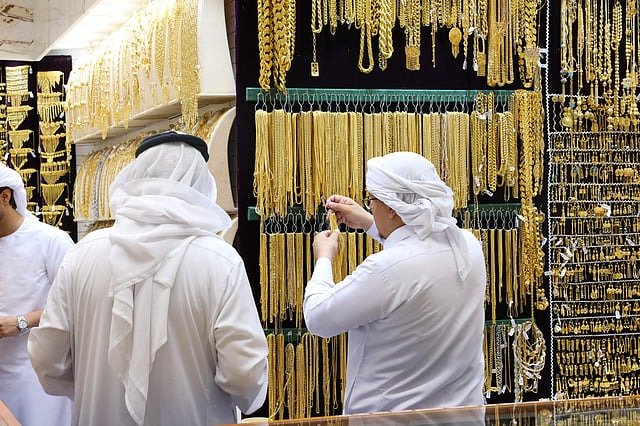
Wholesale and retail trade rose modestly, benefiting from increased tourism and a 64% jump in non-oil exports.
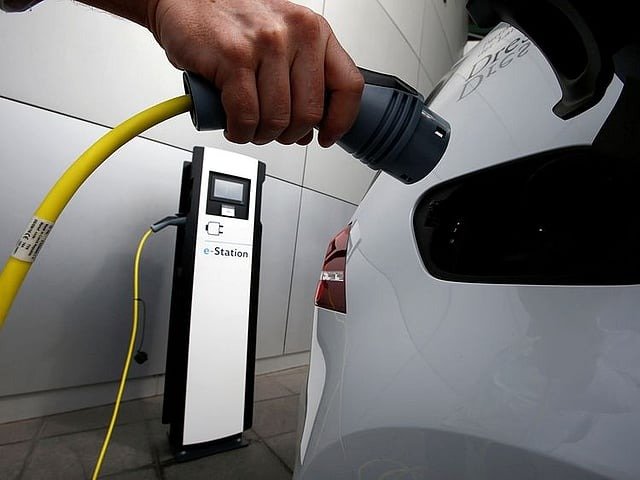
Utilities recorded the fastest growth, supported by investments in renewable energy and grid infrastructure.
Professional services and transport posted steady gains, reflecting higher business activity and logistics demand.
The cultural and creative industries continued their recovery, with the arts and recreation segment growing by 12%, boosted by festivals, events, and rising cultural tourism.
Data-Driven Policy and Future Outlook
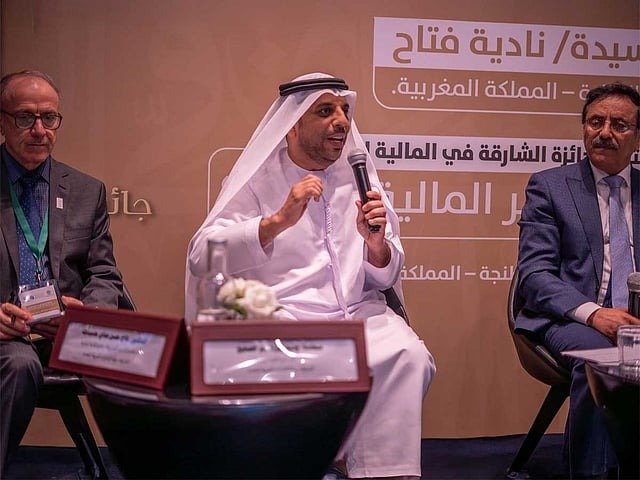
Abdulla Gharib Alqemzi, Director-General of SCAD, highlighted that the results illustrate not just growth, but also the effectiveness of data-informed policymaking.
“As the government advances its Dh13 billion digital strategy to become the world’s first AI-native government by 2027, SCAD is central to this transition by providing high-quality, integrated statistics that support inclusive and innovation-led development,” Alqemzi said.
The strong first-half performance suggests that Abu Dhabi is on track to exceed its growth targets for the year. With oil markets remaining volatile, the emirate’s increasing reliance on non-oil sectors offers stability, resilience, and new opportunities for investors.
Non-Oil as the New Core
Abu Dhabi’s Q2 2025 results reaffirm a fundamental shift: non-oil sectors are no longer supplementary—they are central to growth. With strong contributions from manufacturing, construction, finance, real estate, and ICT, the emirate continues to position itself as a diversified, innovation-driven economy.
This performance cements Abu Dhabi’s status as a leading regional hub for business, investment, and technology, with long-term strategies ensuring that growth is sustainable, inclusive, and resilient against global economic shocks.
As Al Zaabi noted, the emirate’s “Falcon Economy” is now spreading its wings, soaring higher on the strength of non-oil diversification.
Related News