
Remit or Hold? Asian Currencies Stay Weak Against UAE Dirham
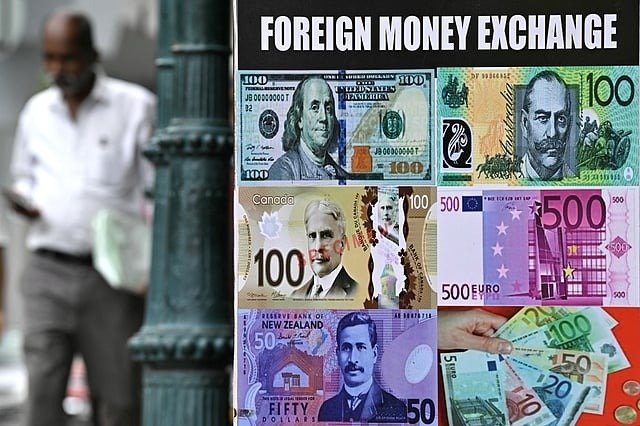
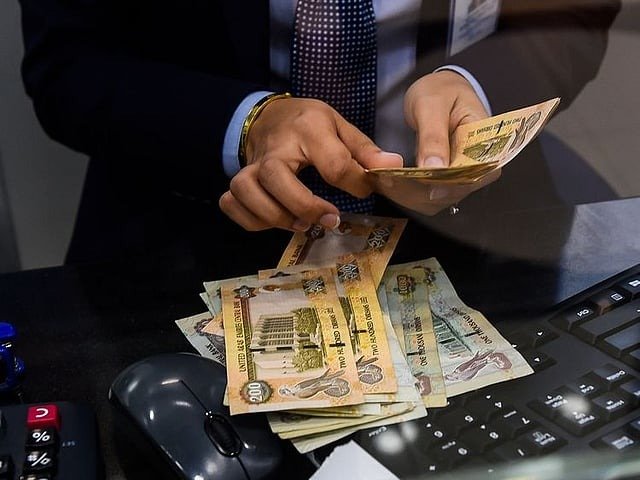
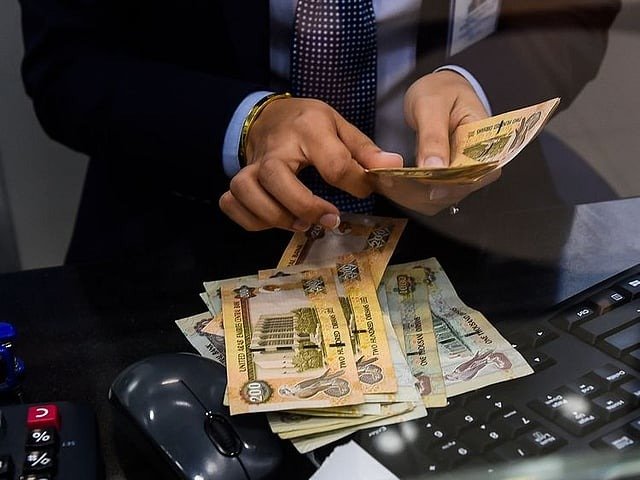
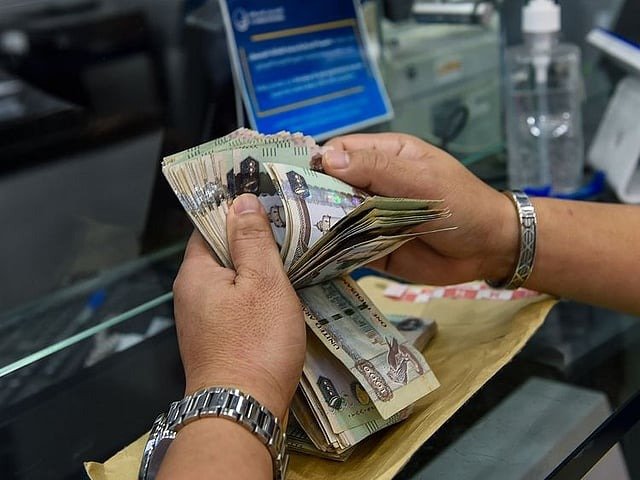
The Indian rupee, Pakistani rupee, and Philippine peso are continuing to trade at weaker levels against the UAE dirham, presenting a potential opportunity for expatriates across the UAE to make the most of their remittances this week.
As of October 28, 2025, exchange rates show:
Indian rupee (INR) at 24.01 per dirham, slightly weaker from 23.95 yesterday.
Pakistani rupee (PKR) steady at 76.67 per dirham.
Philippine peso (PHP) at 16.04, marginally weaker than yesterday’s 15.98.
This continued softness in Asian currencies has sparked interest among expatriates in the UAE, many of whom regularly send money home to support families or invest in property and savings. The big question remains — should they remit now or wait for better rates?
Favorable Time for Remitters
Currency experts say the current levels are beneficial for remitters, as the ongoing global economic uncertainties and regional pressures have kept emerging market currencies under mild depreciation pressure. The UAE dirham’s peg to the US dollar means that when the dollar strengthens globally, the dirham gains, providing expatriates with better conversion rates when remitting funds.
For Indian expats, who form one of the largest remitting communities in the UAE, the rupee’s dip near 24.0 per dirham is particularly attractive. It’s close to a multi-week low, increasing the value of each dirham remitted. This means that sending Dh1,000 now yields around ₹24,010, compared to ₹23,950 just a day earlier — a notable difference for households managing regular transfers.
Similarly, Pakistani expatriates are seeing sustained stability in the exchange rate around 76.6, offering a good opportunity to remit with predictable value. The Philippine peso remains under slight downward pressure as well, maintaining a favorable range for UAE-based Filipinos.
Economic Factors Behind the Trend
Several global and domestic economic factors are influencing this pattern. The US Federal Reserve’s interest rate policies, inflationary pressures, and shifting global trade flows are all impacting Asian currencies. As the US dollar remains strong, currencies such as the Indian rupee, Pakistani rupee, and Philippine peso are experiencing mild depreciation.
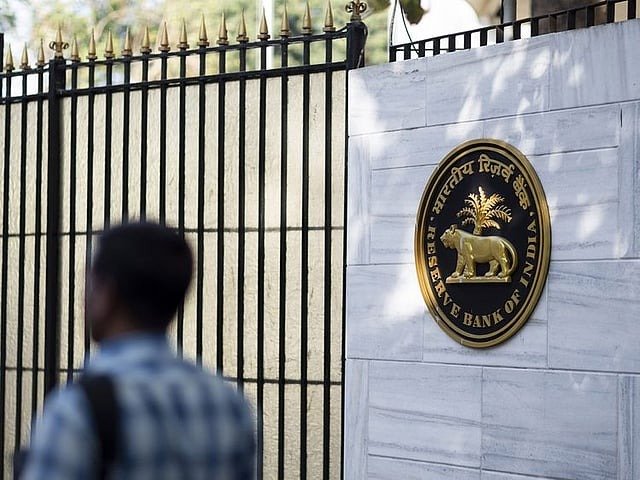
In India, while the Reserve Bank of India (RBI) continues to intervene to stabilize volatility, the rupee remains near its lower end due to global dollar strength and rising crude oil prices. For Pakistan, currency stability has been maintained recently due to policy measures and external support, but inflation and fiscal challenges persist. The Philippine peso, meanwhile, continues to fluctuate within a tight range amid mixed economic data and remittance-driven inflows.
Remit or Hold? Experts Weigh In
Financial analysts suggest that while the rates are currently favorable, timing the forex market perfectly is difficult. For those who remit regularly for household expenses or loan repayments, sending money now could make practical sense, especially given that the current rates are at or near short-term highs for the dirham.
However, those planning large lump-sum transfers for investments or real estate purchases may choose to wait and watch, as minor improvements could occur if global risk sentiment eases or if the dollar sees a temporary correction.
“Remittance decisions should balance both immediate needs and expected trends,” said a Dubai-based currency strategist. “While these are good levels for senders, one should always factor in personal timelines, as waiting for small fluctuations may not yield significant additional value.”
Planning Smart Remittances
Experts advise remitters to use digital remittance platforms or exchange houses that offer real-time rate locks and transfer scheduling. Many platforms allow users to fix a preferred rate, so they can automatically remit when the currency hits that level.
Additionally, monitoring market forecasts and central bank announcements can help predict short-term shifts. Most importantly, diversifying remittance timing — sending in smaller tranches instead of a single transfer — can help manage risks from sudden market swings.
Outlook
Looking ahead, analysts expect the Indian rupee to trade between 23.9 and 24.1 per dirham, the Pakistani rupee to stay near 76.5–77.0, and the Philippine peso to hover around 16.0–16.1 in the near term. Unless there are major shifts in oil prices or global interest rate policies, the current trend of a strong dirham and weaker Asian currencies may persist.
For UAE expatriates, that means now remains a favorable time to remit — particularly for those with regular obligations. While holding off might make sense for investors chasing marginal gains, the steady dirham strength continues to provide a solid remittance advantage for millions sending money home.
Related News