

India Boosts Middle East Oil Imports as Russia Sanctions Hit
India is preparing for a major shift in its oil import strategy as new Western sanctions on key Russian oil companies come into effect. Facing disruptions in Russian crude supplies, Indian refiners have begun securing a significantly larger number of tankers from the Middle East, signalling a rise in import flows from the region.
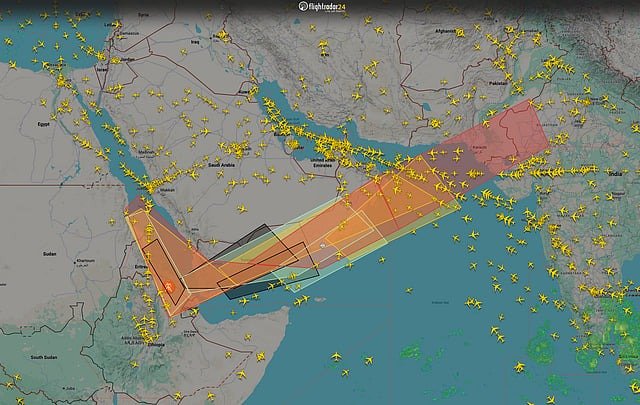
According to shipbroker reports, Indian buyers have already chartered around a dozen oil tankers this week to transport crude from the UAE, Saudi Arabia, Iraq, and Kuwait. This is a sharp increase compared to the same period last month, when only about four such bookings were recorded. The sudden rise highlights India’s urgent need to diversify supplies as restrictions on Russia begin tightening.
A Rush for Tankers as Sanctions Loom
The vessels booked include both Very Large Crude Carriers (VLCCs) — the world’s biggest oil transport ships — as well as mid-sized Suezmax vessels. These tankers are scheduled to load oil between late November and December, indicating that refiners are preparing early to avoid supply disruptions.
Industry reports suggest that Indian refiners are still seeking more tankers for the same routes, underscoring concerns about maintaining steady supply once sanctions on Russia’s Rosneft and Lukoil take effect on November 21.
While not every booking appears in public reports — many deals happen privately — the increase provides a reliable snapshot of India’s changing purchasing behaviour. It also offers rare insight into the opaque global oil market, where many spot deals are kept confidential.
Freight Costs Surge to Near Five-Year High
The sudden spike in tanker demand has had an immediate impact on shipping rates. The cost of hiring a VLCC from the Middle East to Asia has risen sharply, touching levels not seen in nearly five years.
Higher freight rates are becoming an added burden for importers, especially as they simultaneously face the challenge of replacing up to one million barrels per day of discounted Russian crude — volumes that helped India keep fuel prices stable during periods of global market volatility.
However, with Russian supplies becoming increasingly complicated due to new sanctions, Indian refiners have little choice but to absorb the additional cost in order to secure stable oil flows.
India’s Refiners Shift Away from Russian Crude
Out of India’s seven major refiners, five have confirmed they will no longer accept Russian crude shipments once the wind-down period ends this week. This includes Reliance Industries Ltd., one of the country’s largest private refiners and a key importer of Russian oil.
The remaining refiners may continue purchasing from non-sanctioned Russian suppliers, but volumes are expected to be limited.
For the past two years, Russian crude has played a crucial role in India’s energy strategy. It allowed refiners to secure cheap barrels during times of high prices and helped the country maintain strong refining margins. Now, the sanctions have created uncertainty and forced companies to urgently seek new suppliers.
Middle East Becomes India’s Primary Backup
Market insiders believe Indian refiners are turning to a mix of term contracts and spot deals in the Middle East to fill the upcoming supply gap. Traders participating in India’s monthly purchase tenders say overall volumes have increased slightly, though not enough to fully replace potential Russian losses.
Additionally, some refiners have taken advantage of prompt Kuwaiti crude that became available after an unexpected outage at Kuwait’s Al-Zour refinery. These opportunistic purchases are helping India bridge short-term supply needs while it restructures its sourcing strategy.
What This Means for India’s Energy Landscape
India, the world’s third-largest oil importer, has always relied heavily on Middle Eastern producers. However, since 2022, Russian crude became a major part of its energy mix due to steep discounts. The new sanctions threaten to upend this balance, forcing refiners to re-establish older Middle Eastern supply chains and explore alternative crude grades.
The shift could lead to:
Higher import costs, due to increased freight rates and fewer discounted barrels
Tighter competition among Asian buyers for Middle Eastern supplies
More reliance on long-term contracts rather than spot purchases
Greater market volatility as India rebalances its import portfolio
Despite the challenges, India’s proactive tanker bookings show that refiners are moving quickly to secure supplies and avoid disruptions. As sanctions officially begin on November 21, the global oil market will closely watch how India’s next steps reshape trade routes across Asia.
Related News