

UAE Tax Rules from 2026: What’s Changing and Who Benefits
New UAE Tax Rules from 2026: What They Really Mean for Taxpayers
The UAE is set to introduce important updates to its tax framework starting January 1, 2026, following the issuance of Federal Decree-Law No. 17 of 2025. This law amends the existing Tax Procedures Law (Federal Decree-Law No. 28 of 2022) and aims to bring more clarity, consistency, and structure to how taxes are administered across the country.
While the changes may sound technical, their impact is practical and far-reaching for businesses and taxpayers dealing with corporate tax, VAT, and excise tax. At its core, the update seeks to reduce ambiguity, protect legitimate taxpayer rights, and give the Federal Tax Authority (FTA) a clearer legal framework for managing compliance.
Clearer Refund Timelines: A Major Shift
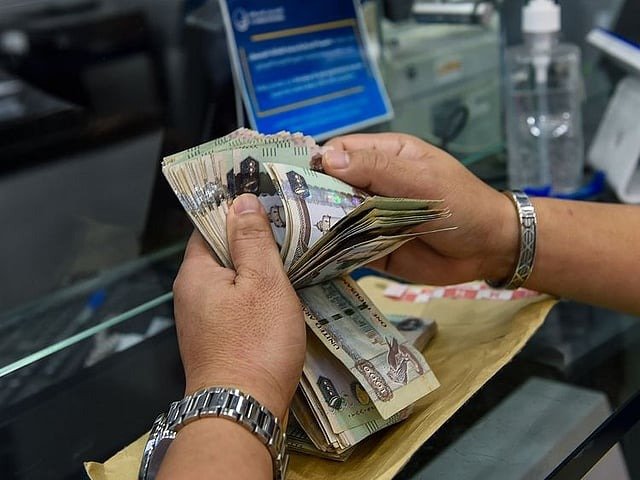
One of the most significant changes relates to tax refunds and credit balances. A credit balance arises when a taxpayer has paid more tax than what is actually due. Until now, the law did not clearly define how long taxpayers had to request a refund or use that excess amount.
The amended law introduces a clear five-year window, starting from the end of the relevant tax period, during which taxpayers can request a refund or use the excess credit to offset other tax liabilities. This is the first time such a specific and predictable deadline has been written into the law.
Importantly, the amendment also recognises that real-world situations are not always straightforward. In certain cases outlined in the law, taxpayers can still file refund requests after the five-year deadline or within the final 90 days before the period expires. This flexibility is designed to prevent genuine claims from being rejected purely due to timing issues.
Relief for Older and Expiring Refund Claims
A notable feature of the new rules is the transitional relief for older refund claims. If a taxpayer’s five-year refund period has already expired before January 1, 2026, or is set to expire within one year from that date, the law grants a new one-year opportunity starting January 1, 2026, to submit the refund request.
This provision is particularly helpful for businesses that may have missed earlier deadlines due to uncertainty or lack of clarity in the previous law. It effectively gives them a second chance to recover legitimate overpaid taxes.
In addition, if a taxpayer submits one of these older refund claims and the FTA has not yet issued a decision, the taxpayer is allowed up to two years from the date of submission to file a Voluntary Disclosure. This allows businesses to correct errors or omissions connected to that refund, without immediately facing penalties.
Expanded but Defined Audit Powers
Another key update concerns the FTA’s authority to conduct audits and issue tax assessments. Normally, tax audits are limited to a specific time period. Under the amended law, the FTA will be allowed to carry out audits or issue assessments even after the usual limitation period ends — but only under clearly defined circumstances.
For example, if a refund request is filed during the final year of the limitation period, the FTA can extend its review to verify the accuracy of that claim. This ensures that refunds are properly validated without opening the door to unlimited or arbitrary audits.
The aim here is balance: taxpayers benefit from well-defined boundaries, while the FTA retains the ability to safeguard public revenue when late-stage claims are involved.
Introduction of Binding Directions
One of the most practical and taxpayer-friendly changes is the introduction of binding directions. Under the new law, the FTA can issue directions that are binding both on taxpayers and on the Authority itself when interpreting how tax laws apply to specific transactions or scenarios.
This addresses a long-standing issue where similar cases were sometimes treated differently due to varying interpretations of the law. Binding directions are expected to improve consistency, reduce disputes, and give businesses greater confidence when planning transactions or structuring operations.
For companies operating in complex areas such as corporate restructuring, cross-border transactions, or VAT treatment, this change can significantly reduce uncertainty.
Applies Across All UAE Taxes
It’s important to understand that the Tax Procedures Law is not limited to corporate tax alone. It forms the backbone of the UAE’s entire tax administration system. The updated rules apply to all federally administered taxes, including:
Corporate Tax under Federal Decree-Law No. 47 of 2022
Value Added Tax (VAT), covering registration, filing, audits, and record-keeping
Excise Tax, including its collection and enforcement procedures
As a result, virtually every business that is registered with or interacts with the FTA will be affected by these changes in some way.
Who Benefits from the Changes?
For taxpayers, the amendments bring clearer rights, predictable timelines, and improved legal certainty. Businesses now know exactly how long they have to claim refunds, how to manage older claims, and what to expect in terms of audits and interpretations.
For the FTA, the reforms strengthen enforcement tools while keeping them within transparent limits. This helps protect public revenue without creating unnecessary fear or confusion among compliant taxpayers.
The Bigger Picture
Overall, the 2026 tax procedure updates reflect the UAE’s broader goal of building a mature, transparent, and internationally aligned tax system. By tightening definitions, clarifying timelines, and reducing ambiguity, the amendments make compliance easier for honest businesses while improving the efficiency and consistency of tax administration.
For taxpayers, the message is clear: review your past tax positions, understand the new deadlines, and prepare ahead of 2026. Done right, these changes can reduce disputes, improve cash flow planning, and make navigating the UAE tax system far more predictable.
Related News