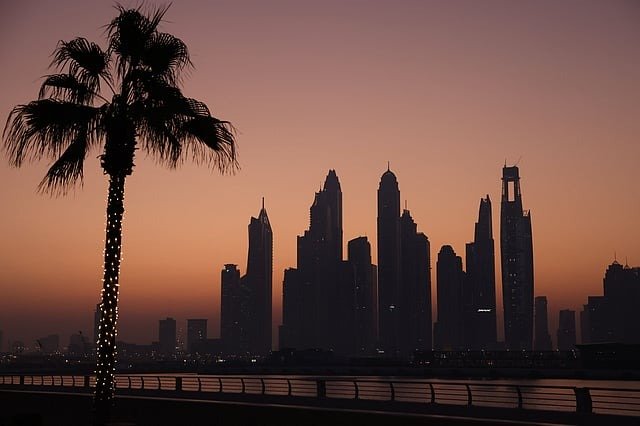
Dubai Real Estate Surges as Global Talent Relocates from US to UAE
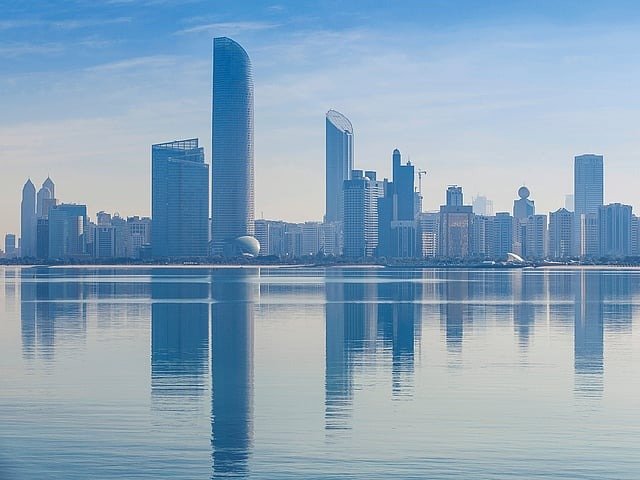
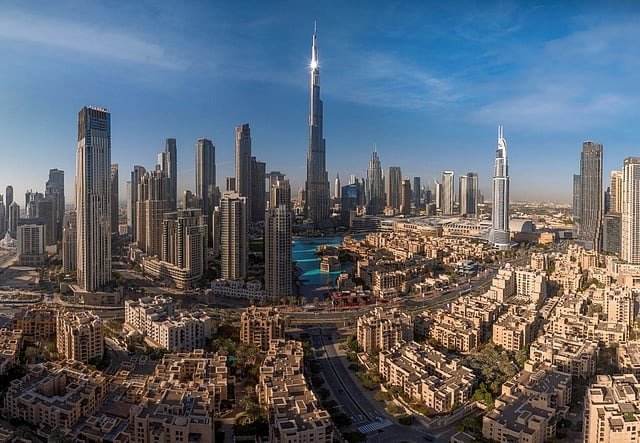
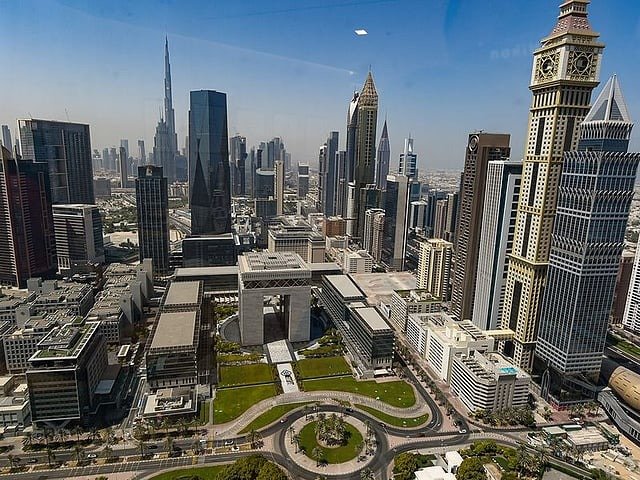
Dubai’s real estate market is entering an important new phase of growth, powered increasingly by skilled international talent seeking long-term stability and investment opportunities rather than short-term speculation. Analysts say the shift marks a structural transformation in how demand is being generated, with global professionals choosing the UAE over traditional destinations such as the United States, Canada and the United Kingdom.
The surge is closely linked to changes in global migration dynamics, including tighter US immigration rules, rising relocation costs, and economic reform in Western markets. At the same time, the UAE continues to accelerate its long-term residency initiatives including 10-year Golden Visas, streamlined regulatory reforms and expanding employment sectors that attract mobile talent from around the world.
New Workforce Driving Property Ownership
According to Abdulla Lahej, Chairman of Amaal, the influx of expatriate professionals is currently one of the strongest engines of Dubai’s real estate demand. While around 80% of expatriates in the city live in rental homes, a growing number are shifting to ownership as residency security improves.
“The arrival of highly skilled international professionals is reshaping demand patterns across the market,” Lahej said, explaining that the new demographic is driving long-term stability rather than speculative buying. Competitive workplace opportunities, economic strength, and lifestyle advantages are encouraging residents to plant deeper roots in the UAE.
The country’s real estate ecosystem continues to expand rapidly, creating strong demand for specialist skills including AI developers, IT experts, VR/AR specialists, digital strategists, photographers, videographers, CRM managers, and marketing professionals certified in Meta platforms. Lahej pointed out that talent capable of building sales automation, lead generation funnels and end-to-end digital property campaigns is especially sought after.
Sukesh Govindan, CEO of TENX Properties LLC, added that the commercial real estate sector is headed for major expansion driven by demand for office space, and that a shortage of commercial brokers will create significant career opportunities in the coming years.
Market Momentum and Pricing Trends
Dubai continues to display strong performance across both secondary market transactions and off-plan sales. Rental yields average around 7.2% for apartments, while capital appreciation remains firm, keeping high interest among end-users and investors alike.
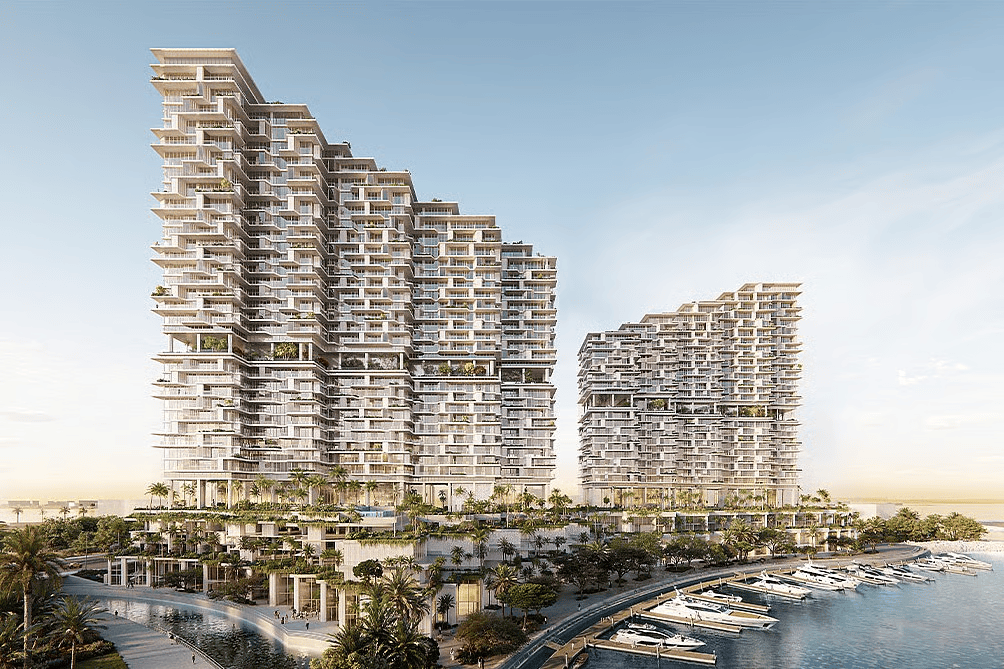
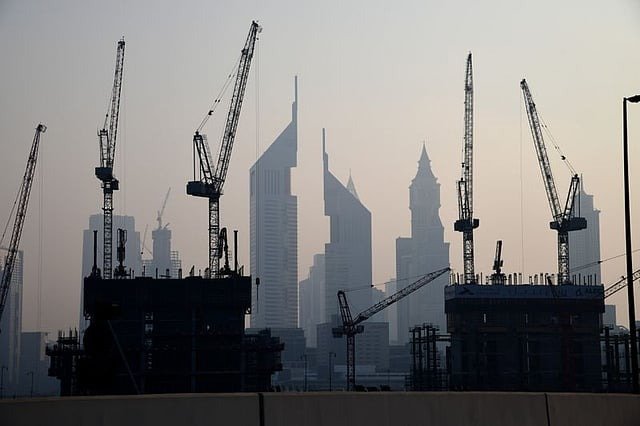
Developers are accelerating off-plan launches targeted toward first-time buyers entering the market due to long-term residency benefits. At the luxury end, demand remains intense: properties priced at over $10 million reached approximately $2.6 billion in sales during Q2 2025, according to industry data. Meanwhile, the fastest-growing segment remains affordable luxury homes, townhouses and villa communities, driven largely by relocating families.
However, analysts warn that supply pressures could emerge. With about 300,000 new homes scheduled for delivery between 2025 and 2029, approximately 80% will be apartments and only 17% villas, raising concerns that demand for larger family homes may exceed availability.
Economic Sustainability and Global Conditions
Experts agree that the relocation-driven demand is durable, although external influences could affect the pace of growth. Lahej acknowledged that the trend is supported by Dubai’s strong economic resilience, distinctive tax structure and global positioning—but added that global macroeconomic instability, rising living costs, or changes in immigration laws elsewhere may impact momentum.
Analysts expect a moderate correction in real estate values in 2026, as between 150,000 and 210,000 units are projected to enter the market. However, expanding population growth and pro-migration policies are expected to help absorb the incoming supply.
Dubai’s Competitive Advantage Over Western Markets
One of the UAE’s biggest advantages remains its tax-friendly environment. With no personal income tax, capital gains tax or annual property tax, Dubai is attracting professionals, entrepreneurs and corporations frustrated by rising tax burdens in the US, UK and Canada.
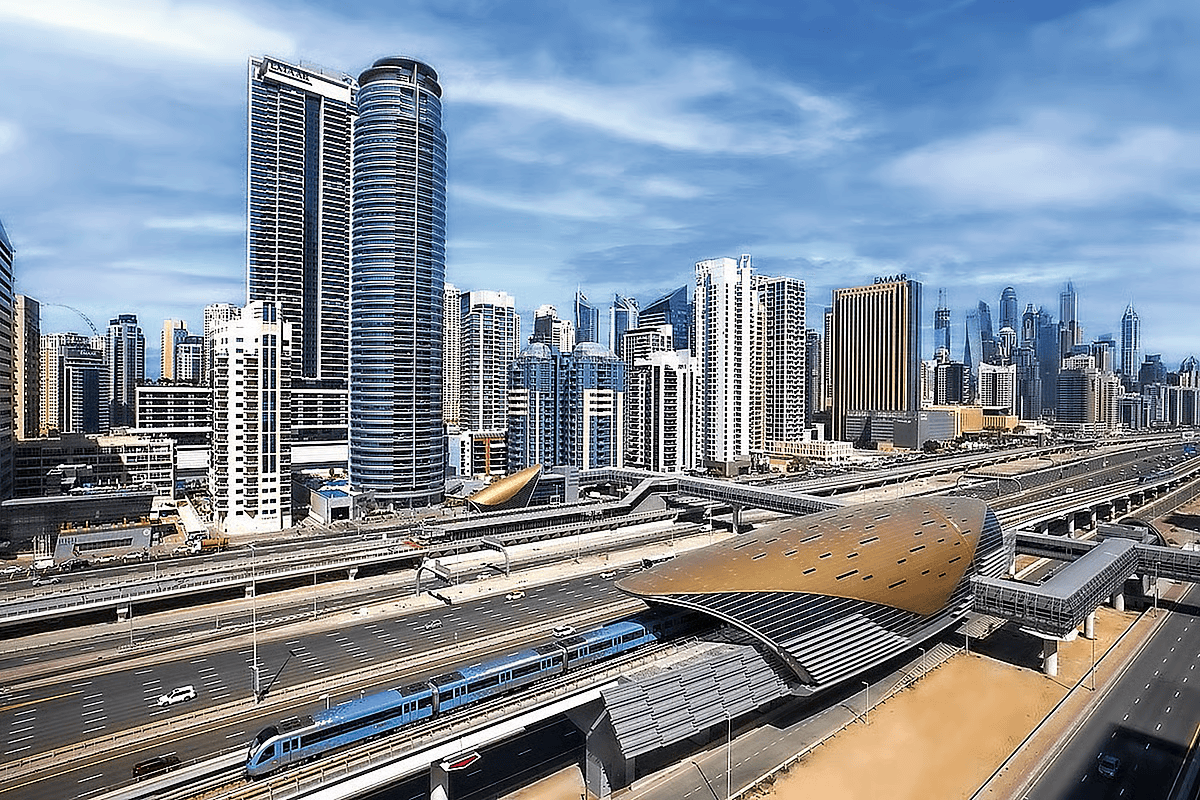
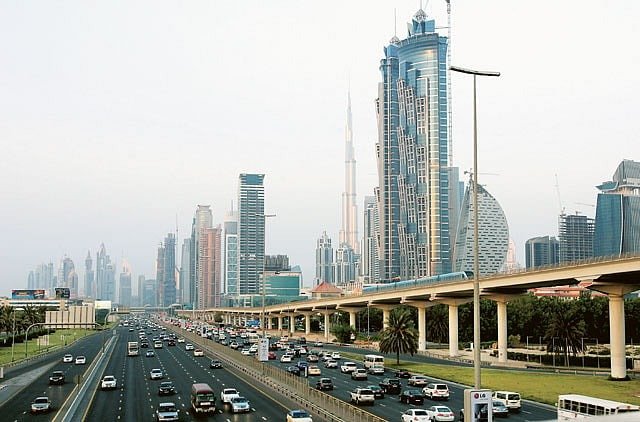
Lahej noted that world-class infrastructure development—especially in transport and public services—continues to reinforce investment confidence.
Govindan added that financing constraints for certain non-residents may remain a challenge, as loan-to-value ratios can be lower than those offered to local residents. Even so, the overall value proposition continues to draw significant global capital.
US Visa Policy Shifts Accelerate Migration
A major push factor is the recent increase in US H-1B sponsorship fees, now reportedly costing companies $100,000 per year, which recruitment experts say will drive talent and employers toward the UAE.
Mahesh Shahdadpuri, Founder & CEO of TASC Group, said that the Gulf region’s technology ecosystem, AI investments and job market are becoming a top destination for companies seeking to reduce operating expenses and expand global hiring.
He referenced Microsoft’s $1.5 billion investment in G42 in 2024 and approval of Nvidia chip sales to the UAE as indicators of how global tech strategy is shifting toward the region.
A New Global Hub for Talent and Investment
Dubai is now benefiting from a rare combination of long-term residency opportunity, competitive economic policy, strong salaries, advanced infrastructure and global connectivity. As international talent seeks stability and upward mobility, Dubai is emerging not just as a place to work—but a place to stay, invest, and build a future.
For professionals, families and investors across the spectrum, Dubai is becoming the destination where ambition aligns with opportunity.
Related News