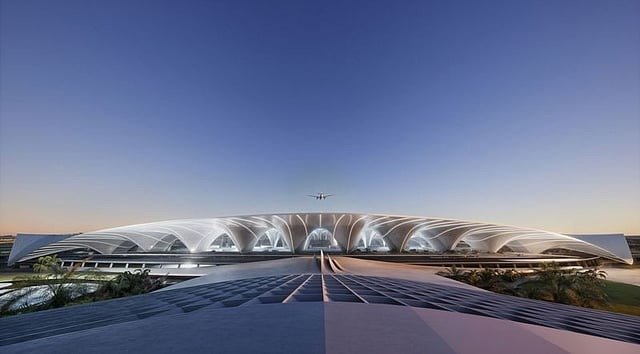
Dubai International Airport Nears Full Capacity as Al Maktoum Expansion Gathers Pace
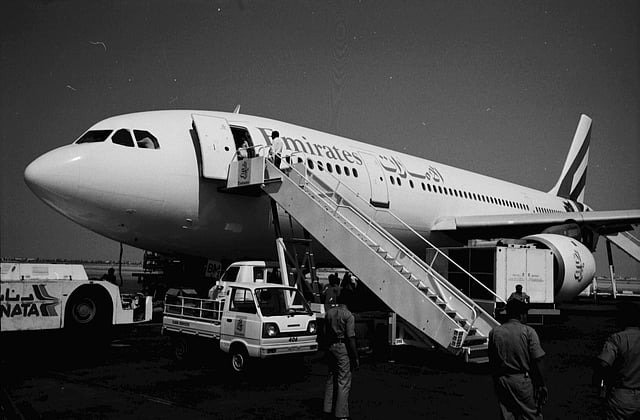
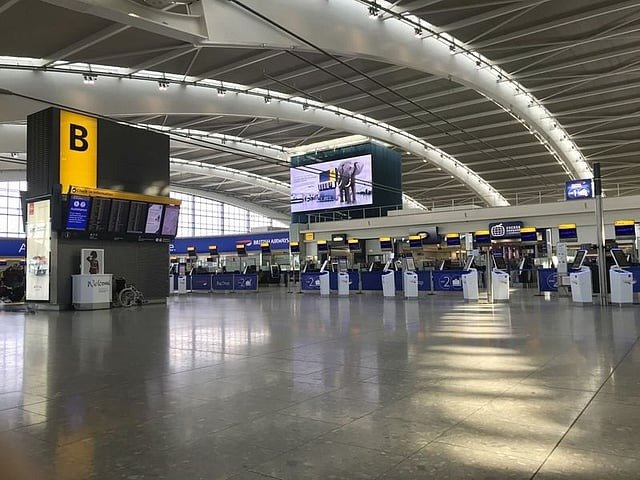
Dubai: Dubai International Airport (DXB), one of the world’s busiest aviation hubs, is fast approaching its operational ceiling. According to Paul Griffiths, CEO of Dubai Airports, the facility will reach its maximum capacity of 115 million passengers by 2031, paving the way for a complete shift to the massive new Al Maktoum International Airport (DWC) by 2032.
Griffiths revealed that the expansion of Dubai’s second airport — located in Dubai South — is well underway and will eventually absorb the entire operations of DXB. Once completed, the new terminal will allow Al Maktoum International to handle up to 260 million passengers annually, making it the largest airport in the world by capacity.
“By 2031, DXB will hit about 114 to 115 million passengers, which is probably the maximum capacity we can achieve. After that, we’ll transition fully to DWC by 2032,” Griffiths told Gulf News on the sidelines of a Dubai Airshow 2025 press conference.
A smooth transition to the next chapter
The move to DWC will be gradual but strategic. As DXB runs out of available landing and parking slots, airlines will begin relocating to the Al Maktoum site.
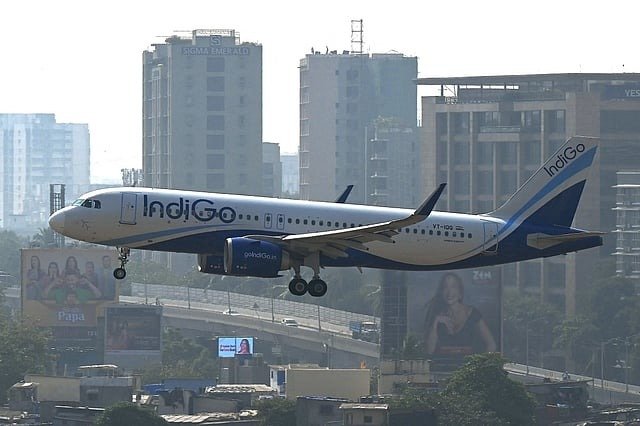
Griffiths confirmed that flydubai is expected to be among the first carriers to shift operations to DWC. “As DXB reaches its limits, we will start moving some airlines. Flydubai is likely to be one of the first movers. We’re already putting the facilities in place to make that happen,” he said.
For now, the existing passenger terminal and single runway at DWC will be used, ahead of the completion of the massive new airport complex that will redefine the region’s aviation landscape.
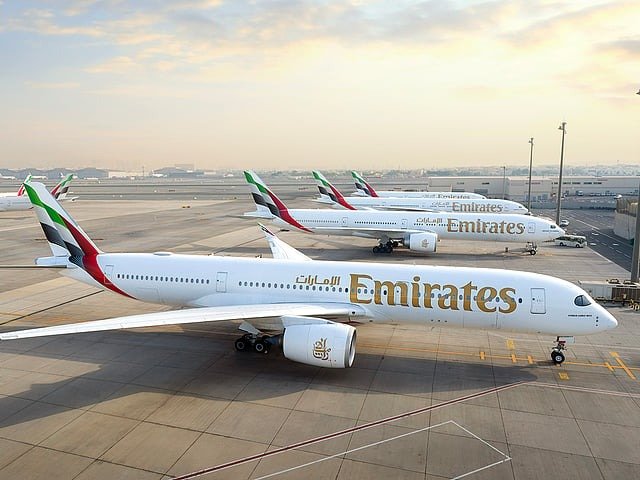
The CEO also noted the deepening collaboration between Emirates and flydubai, which will play a key role in managing the upcoming transition. “The integration between Emirates and flydubai is getting stronger all the time. We’re managing that process carefully to avoid any operational disruptions,” he added.
Innovations to maximise DXB’s remaining capacity
To handle record passenger numbers until the move to DWC, Dubai Airports is implementing a series of short-term measures aimed at squeezing every possible unit of efficiency out of DXB.
“We’re adding more aircraft stands in the midfield and upgrading check-in facilities,” said Griffiths. “We’re also working very hard on new technologies that will speed people through the airport.”
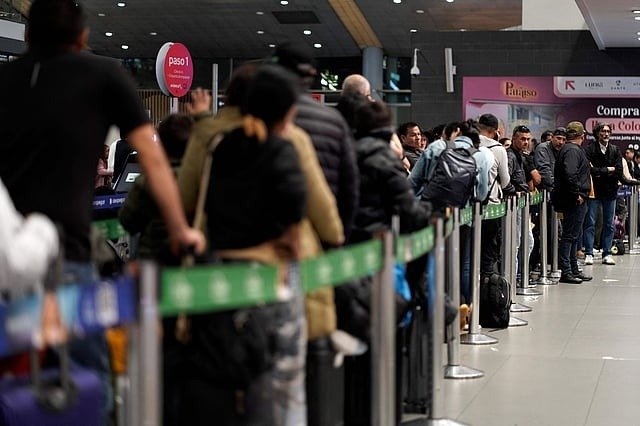
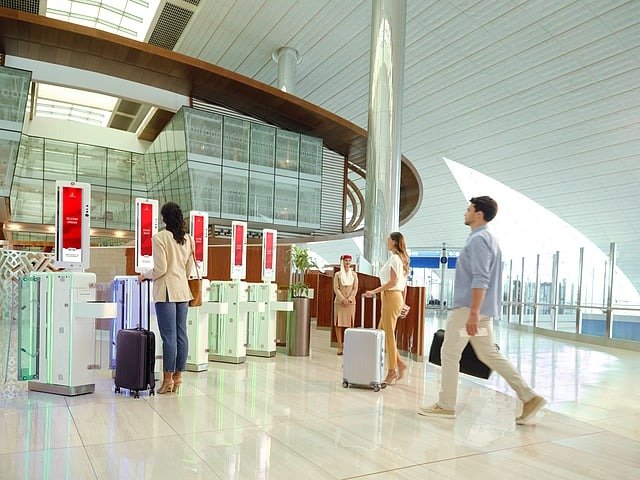
One of the key focus areas is passenger flow efficiency. By cutting down the time travellers spend at each touchpoint — from check-in to boarding — the airport can process more people without physical expansion.
“If we can reduce the time passengers spend in queues or at security, we not only make their journey faster and smoother but also increase our effective capacity,” Griffiths explained. “It’s about giving travellers time back — time they can spend as they choose.”
A vision of seamless travel
Dubai Airports’ commitment to innovation is already visible in initiatives like the Red Carpet Corridor, a recently launched fast-track system that allows certain passengers to move through the airport without any stops.
“It’s having a significant impact,” Griffiths said. “You just don’t have to stop. Our goal is to make every process completely seamless.”
The CEO painted a futuristic picture of the passenger experience he envisions:
“From the moment you step out of your car or the metro, we want you to move straight through the airport — to the lounge, a restaurant, or a shop — without stopping for unnecessary processes. The first time you stop should be where you want to stop, not where we make you stop.”
Griffiths added with a smile, “If I can make one impact on this industry, it would be to give people their time back — to make air travel enjoyable again. Wouldn’t that be lovely?”
The world’s future mega-airport takes shape
The Al Maktoum International Airport project is central to Dubai’s long-term aviation strategy. Once complete, the airport will not only handle 260 million passengers a year but also become a hub for logistics, technology, and sustainability innovation.
The project is designed to support Dubai’s position as a global gateway for tourism, trade, and transport. By shifting operations from DXB to DWC, the emirate will gain space to expand routes, reduce congestion, and offer travellers a next-generation airport experience.
For now, DXB continues to operate as the beating heart of Dubai’s aviation network. In just 18 months, it is set to cross the 100 million passenger mark, reaffirming its position as the world’s busiest international airport.
But as 2032 approaches, Dubai’s aviation story is clearly entering a new era — one that promises greater capacity, smarter technology, and a seamless experience for millions of passengers from across the globe.
Related News