
Airbus A320 Safety Alert Triggers Global Flight Disruptions
Airbus A320 Recall Sparks Worldwide Disruption as Airlines Rush to Fix Safety Issue
Airlines across the globe are preparing for widespread flight disruptions after Airbus issued an urgent safety directive affecting its hugely popular A320 family of aircraft. According to industry estimates, as many as 6,000 jets may require immediate technical updates following concerns over a potential flight-control vulnerability linked to intense solar radiation.
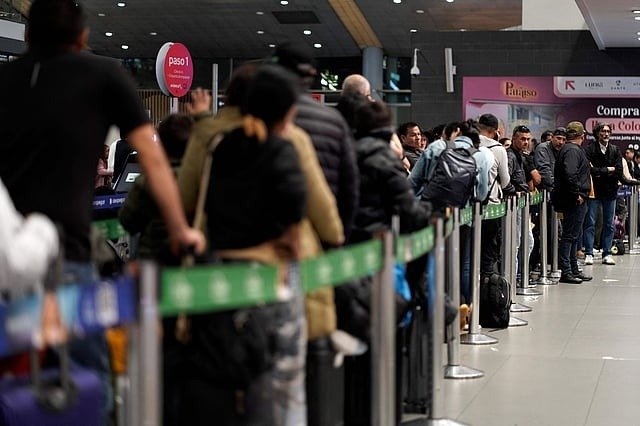
The warning has prompted airlines to adjust schedules, delay departures, and in some cases cancel services altogether as aircraft are taken out of operation for mandatory inspections and updates. With the A320 family forming the backbone of short- and medium-haul travel worldwide, even limited downtime is expected to ripple across airline networks in North America, Europe, the Middle East, and Asia.
What Caused the Airbus Safety Alert?
The precautionary action traces back to an incident in October involving a JetBlue A320 operating between Cancun and Newark. During the flight, the aircraft experienced a sudden and unexpected drop in altitude, forcing an emergency landing in Tampa, Florida. Although no serious injuries were reported, 15 passengers sustained minor injuries, raising immediate concerns among aviation authorities.
Subsequent investigations pointed to an unusual but significant risk factor: intense solar flares. Aviation experts found that strong solar radiation can, in rare instances, corrupt data within the Elevator Aileron Computer (ELAC), a critical flight-control system that governs pitch and roll commands. Any malfunction in this system could potentially result in uncommanded aircraft movements.
Following these findings, regulators moved quickly. The European Union Aviation Safety Agency, in coordination with Airbus, mandated urgent software updates — and in some cases hardware replacements — to mitigate the risk and prevent a recurrence.
How Many Aircraft Are Affected?
The scale of the directive is unprecedented. Roughly 6,000 A320-family aircraft worldwide may require corrective action. Most jets can be fixed through a software update that typically takes around three hours to complete. However, approximately 900 older aircraft will need physical hardware replacements, a process that grounds them entirely until work is completed.
During this period, airlines are permitted to operate limited ferry flights to reposition aircraft to approved maintenance facilities, but affected planes cannot carry passengers until the fixes are in place.
Airlines Facing Operational Impact
Major carriers around the world have begun outlining how the directive will affect their operations:
American Airlines has reported that around 340 A320-family aircraft are affected. While most updates are expected to be completed rapidly, delays are likely in the short term.
Delta Air Lines said fewer than 50 A321neo aircraft require attention, limiting the scale of disruption.
United Airlines and Hawaiian Airlines confirmed they are not affected by the issue.
Air France has already cancelled dozens of flights while reviewing further schedule changes.
Avianca warned that nearly 70% of its fleet could be impacted, forecasting notable disruption over the next ten days.
In the Middle East, Saudia and flynas have begun contacting passengers as updates and recalibrations extend turnaround times on some routes.
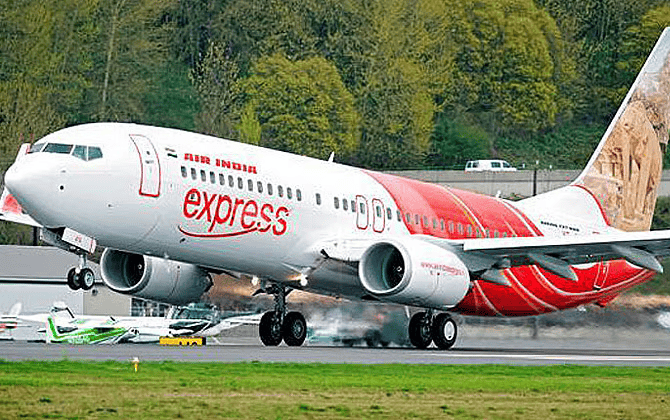
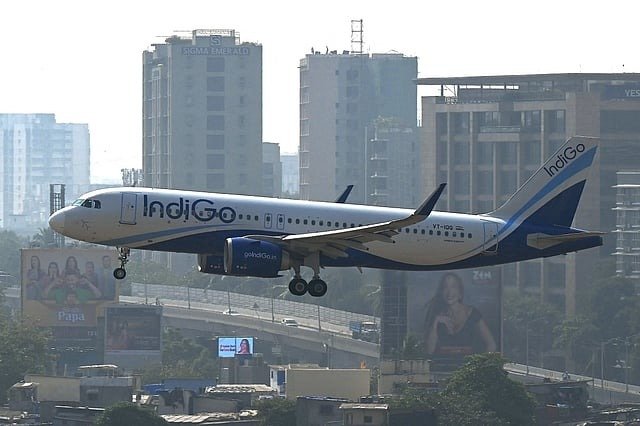
In India, IndiGo, Air India, and Air India Express together operate hundreds of A320-family aircraft, with airlines warning of longer ground times, delays, and possible cancellations.
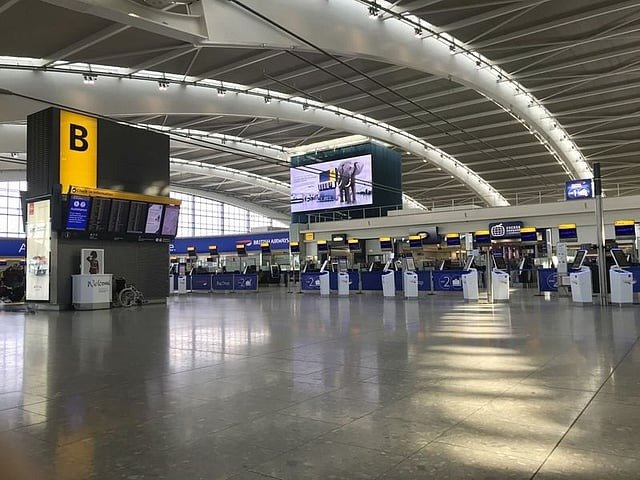
Airports are also monitoring the situation closely. While London Heathrow has not reported major disruption so far, Gatwick expects operational effects on dozens of aircraft. Airlines in Asia-Pacific, including Air New Zealand and Air Canada, have also cautioned passengers to expect minor service interruptions.
Why the A320 Matters So Much
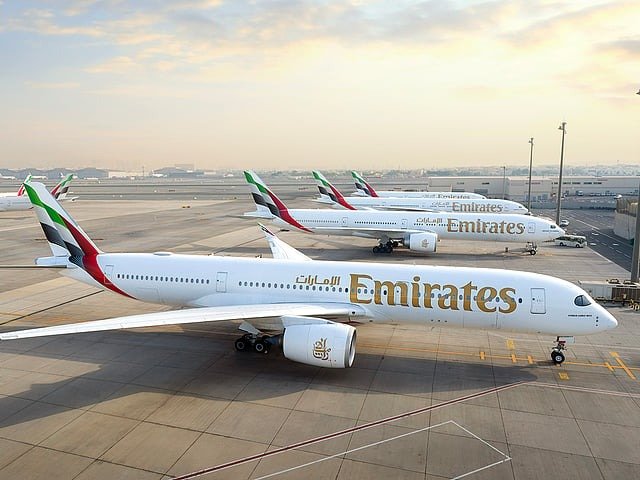
The Airbus A320 family is among the most widely used commercial aircraft in history. Designed for efficiency and versatility, these single-aisle jets seat between 120 and 244 passengers and can fly up to 4,700 nautical miles. Variants include the A319, A320, and A321, in both ceo and neo versions.
Thanks to their fuel efficiency, range, and reliability, A320-family aircraft dominate domestic and regional routes worldwide. Many now operate using up to 50% sustainable aviation fuel, with Airbus targeting 100% capability by 2030. Advanced turbofan engines deliver up to 20% lower fuel burn compared to earlier generations, making the fleet essential to airline economics.
That dominance, however, also means any technical issue — even a precautionary one — has outsized consequences across the global aviation system.
Is It Safe to Fly?
Both Airbus and regulators have emphasised that this action is precautionary. No fatal accidents have been linked to the solar radiation issue, and the directive aims to eliminate a rare but potentially serious risk before it escalates. EASA noted that unresolved ELAC malfunctions could, under extreme conditions, cause uncommanded elevator movements that might exceed structural limits.
Airlines stress that safety remains the top priority and that affected aircraft will not operate with passengers until cleared.
What Passengers Should Expect
Travellers flying on A320-family aircraft over the coming days should be prepared for possible delays or cancellations as updates are implemented. Airlines are urging passengers to monitor flight status notifications, check emails and SMS alerts, and allow extra time for travel.
While disruptions are inconvenient, aviation experts agree the swift global response underscores how seriously safety concerns are treated in modern aviation.
Related News