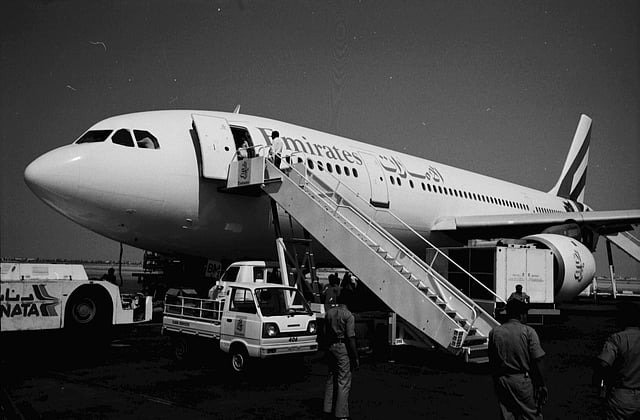
Emirates celebrates 40 years of global success
Emirates at 40: From humble beginnings to a global aviation powerhouse
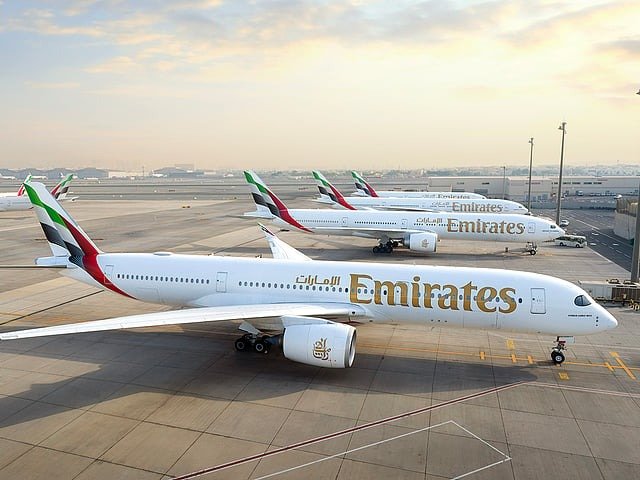
Dubai: On October 25, 1985, a modest inaugural flight from Dubai to Karachi marked the birth of Emirates — a carrier that would soon become synonymous with luxury, innovation, and global reach. Four decades later, the airline proudly celebrates its 40th anniversary, connecting passengers to 153 destinations across 80 countries, and standing tall as the world’s largest international airline.
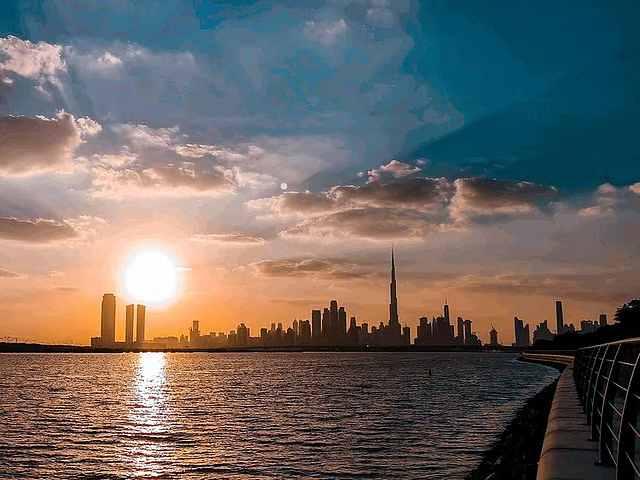
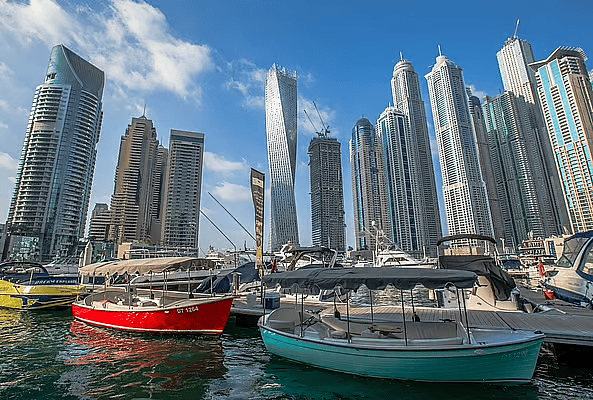
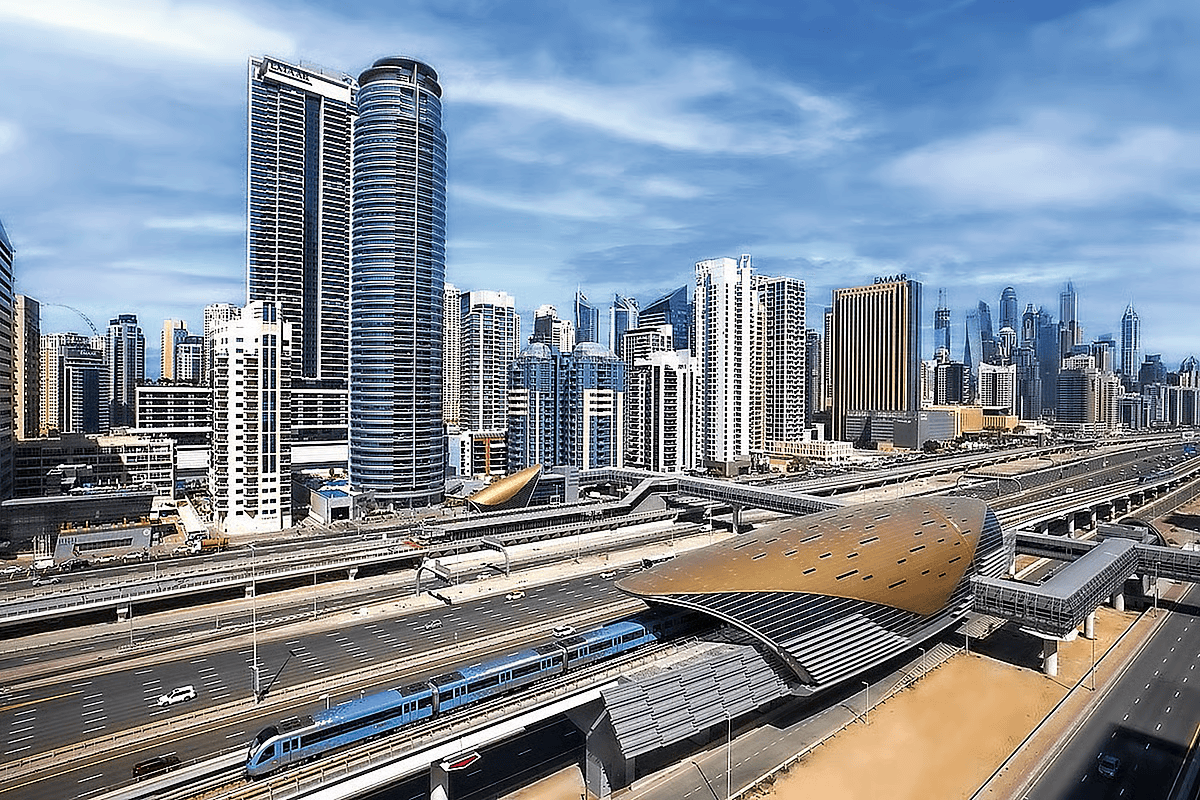
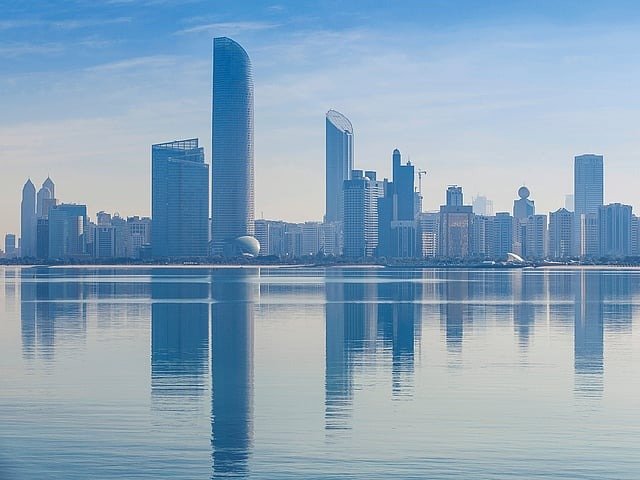
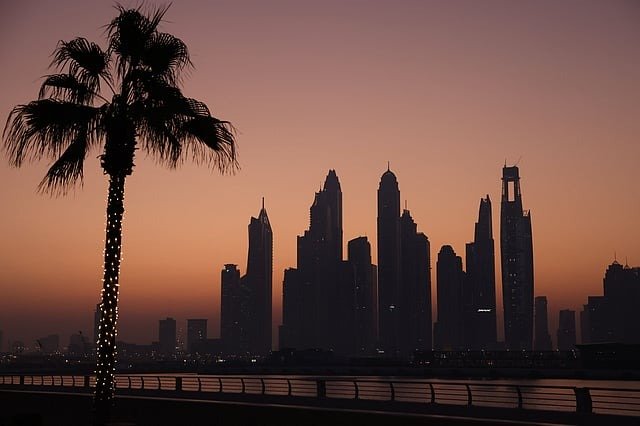
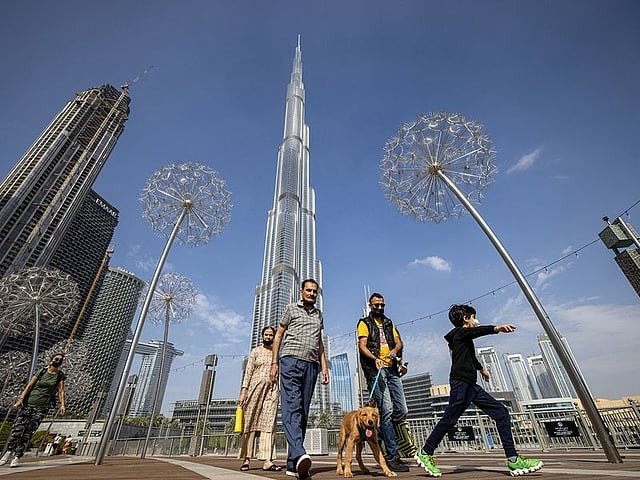
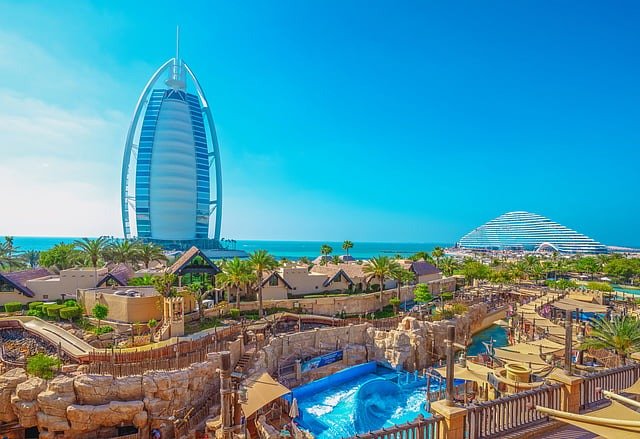
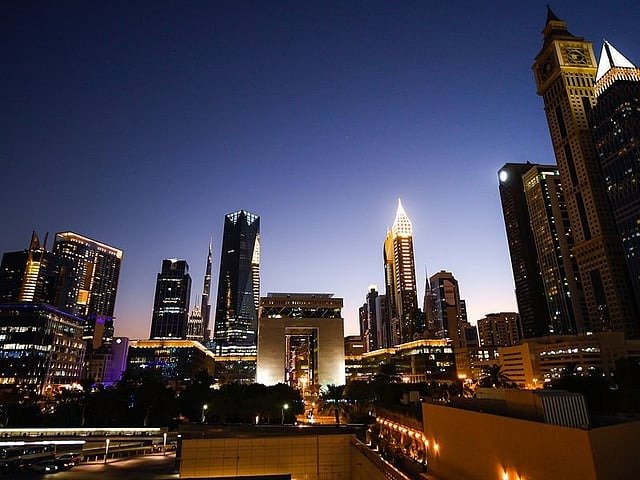
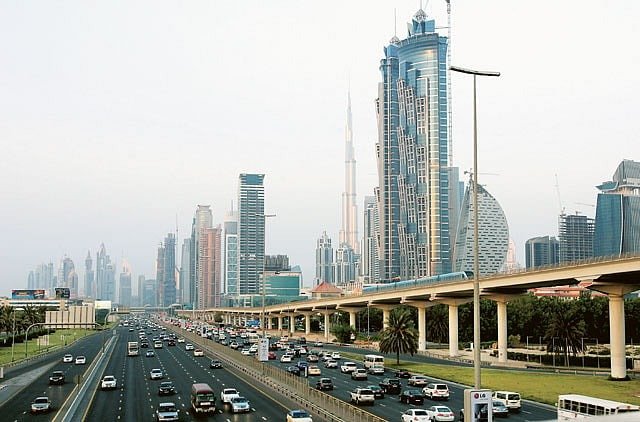
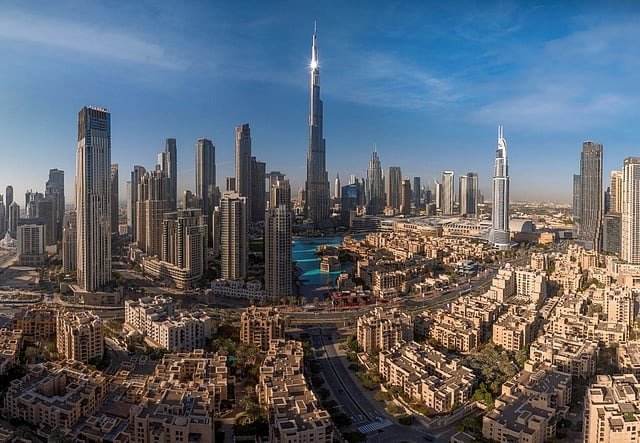
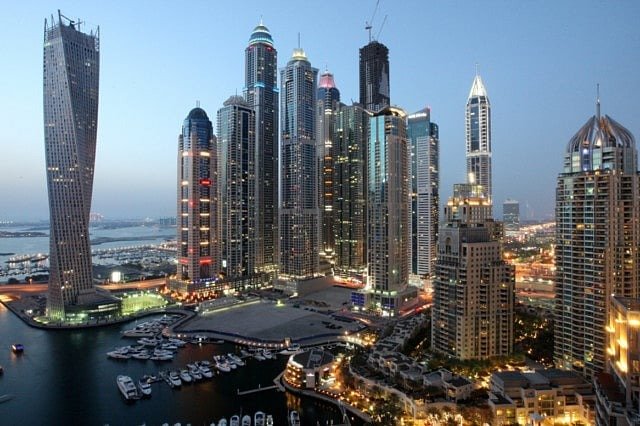
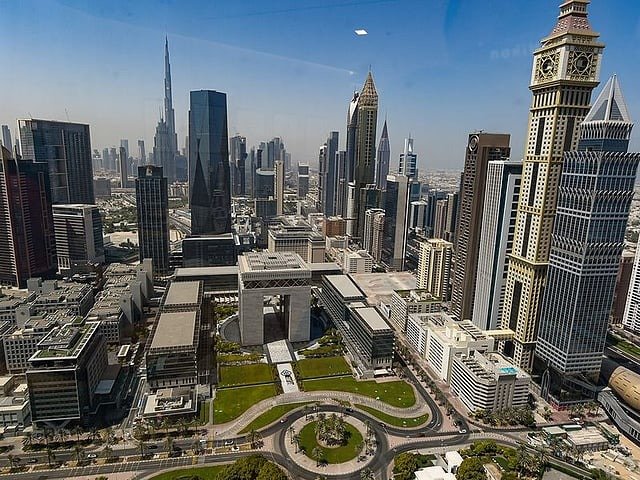
Born during Dubai’s transformative years — when the city was shifting from oil dependency to a diversified economy driven by trade and tourism — Emirates became a symbol of that vision. The airline’s rise has mirrored Dubai’s own ascent as a global hub, with a shared spirit of ambition and reinvention.
From two leased planes to global leadership
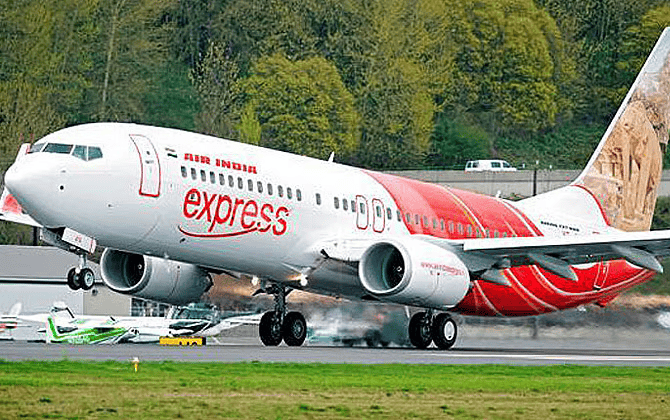
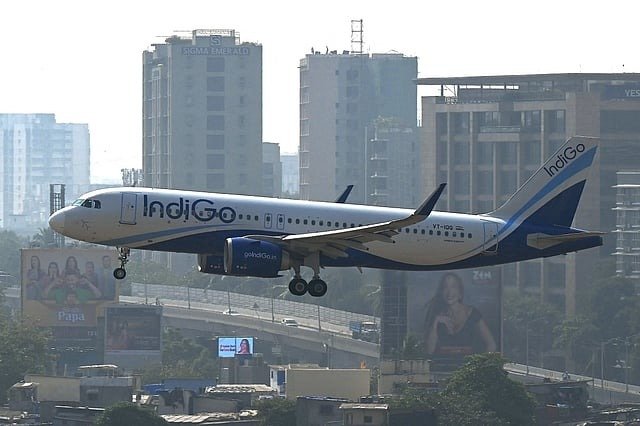
Emirates began operations with just two aircraft — a Boeing 737 and an Airbus 300 B4 — leased from Pakistan International Airlines. In its first year, it operated flights to Karachi and Mumbai, laying the foundation for what would soon be one of the most expansive networks in aviation history.
By 1987, Emirates had acquired its own aircraft, the Airbus A310-304, tailored to its specifications to enhance passenger comfort — a commitment that would define the airline’s service ethos. Through the 1990s, Emirates expanded rapidly with long-range jets like the Boeing 747, Airbus A340, and Boeing 777, enabling non-stop connections between Europe and Southeast Asia.
Innovation at 35,000 feet
Emirates has always led through innovation. In 1992, it became the first airline to install in-flight entertainment systems in all seats across every cabin, a move that revolutionized air travel. Just a year later, it introduced onboard telecommunications, another world first.
By the mid-1990s, Emirates had positioned itself as a truly international brand. The 1996 delivery of its first Boeing 777-200 marked the beginning of a long relationship with Boeing — one that would define its long-haul dominance. Passengers could even watch take-offs and landings live, a novelty that captured global attention.
A story written in milestones
The late 1990s and early 2000s were transformative. Emirates expanded its fleet, workforce, and reach:
1999: The airline received 17 new Airbus A330-200s, as Dubai International Airport crossed 11 million passengers.
2003: A $19.1 billion aircraft order at the Dubai Airshow became the largest in aviation history, marking a bold step into the future.
2005: The workforce grew to 25,000 employees from 124 nationalities, reflecting its global DNA.
2007: Emirates made another record order worth $34.9 billion, including A350s, A380s, and Boeing 777-300ERs, cementing its reputation as an aviation trendsetter.
By 2014, Emirates was named the “Most Valuable Airline Brand”, serving 142 cities and carrying 44.5 million passengers annually.
Soaring through challenges
Even through turbulence — from economic crises to the COVID-19 pandemic — Emirates demonstrated resilience. In 2023, it recorded a Dh10.6 billion profit, an 81% revenue surge that signaled one of the strongest recoveries in aviation history.
By 2025, the Emirates Group achieved a US$5.8 billion pre-tax profit, making it the world’s most profitable airline and reinforcing Dubai’s status as the beating heart of global aviation.
A future built on innovation
As Emirates marks 40 years, the airline continues to evolve. New-generation aircraft, cutting-edge sustainability initiatives, and passenger-centric experiences embody its “Fly Better” philosophy.
From the early crew boarding that first flight to Karachi to today’s ultra-modern operations across six continents, Emirates’ journey has been one of vision, excellence, and endurance.
As the airline celebrates this historic milestone, it not only honors its past but also sets its sights firmly on the skies ahead — soaring higher, flying further, and continuing to redefine what air travel means to the world.
Related News