
Dubai rent growth eases as apartment supply surges
Dubai rent growth steadies as apartment boom reshapes housing market
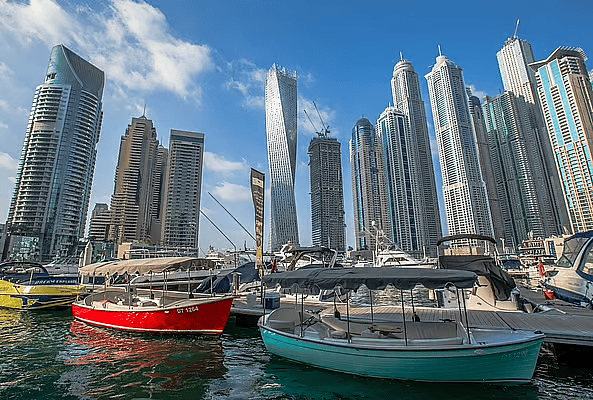
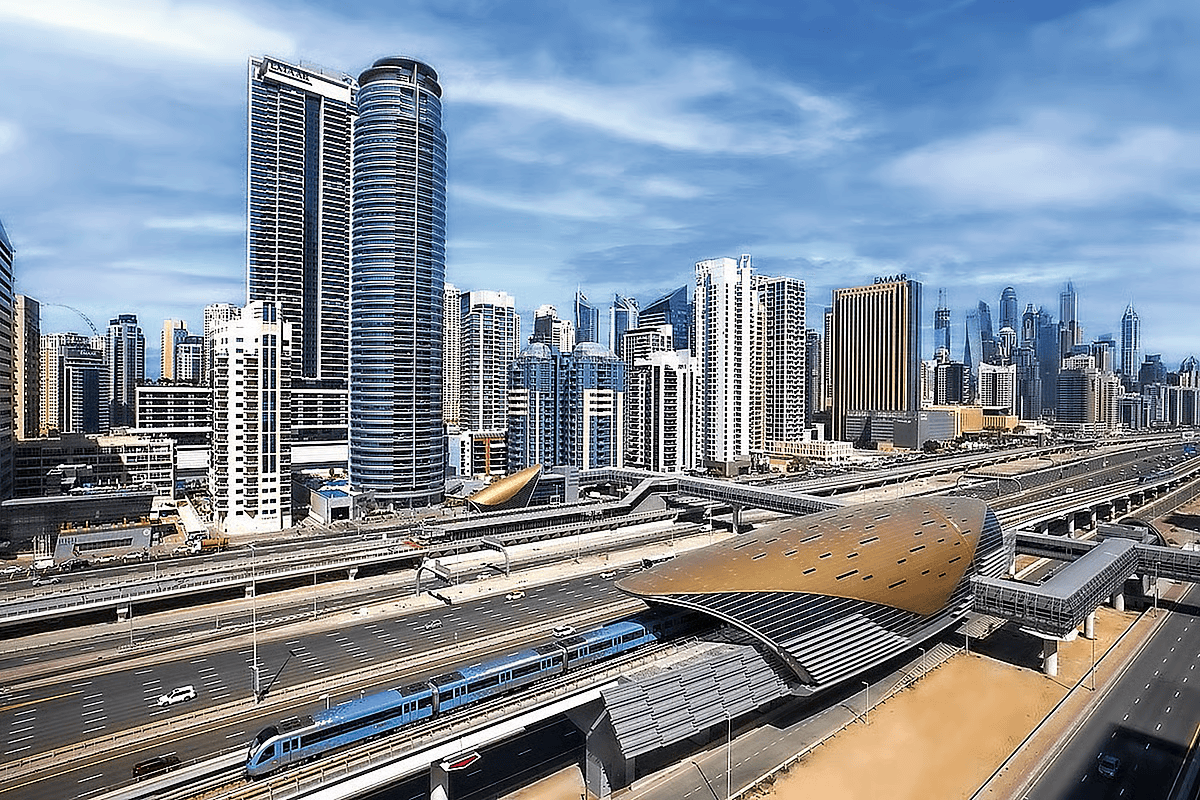
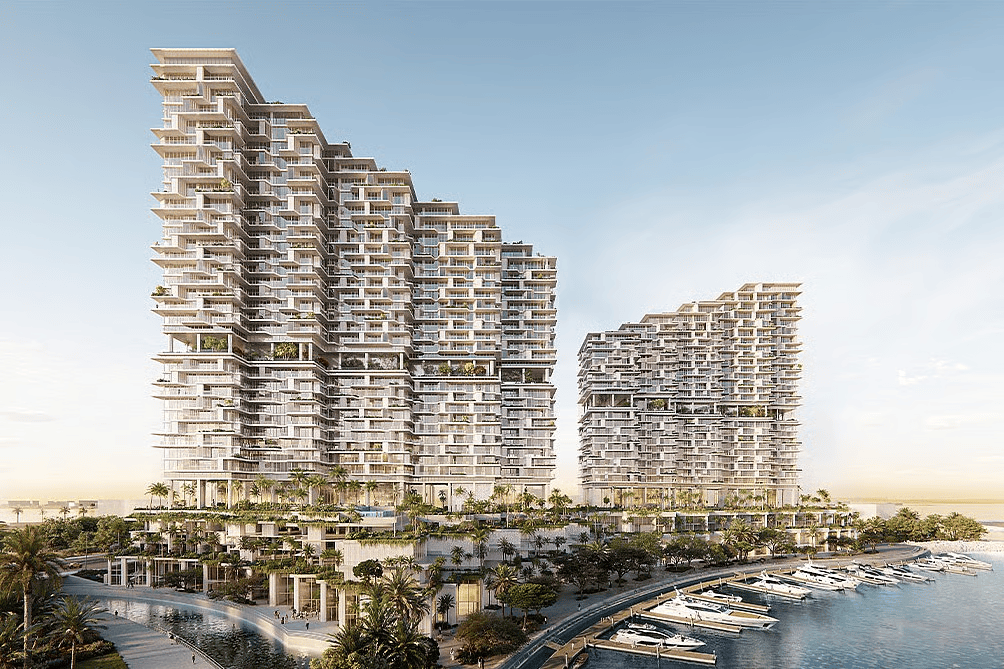
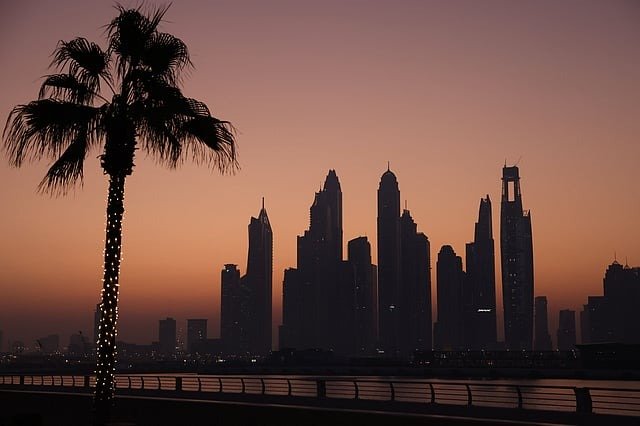
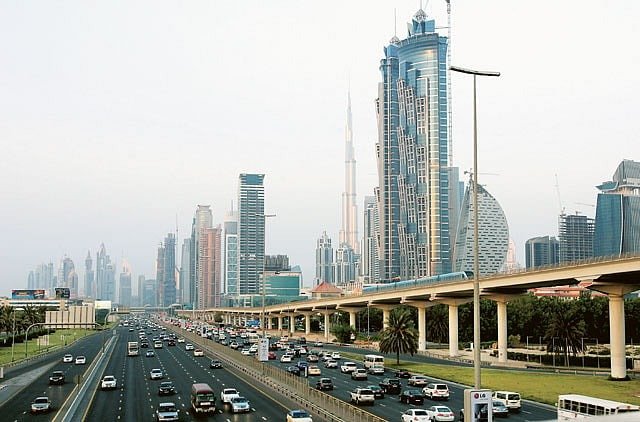
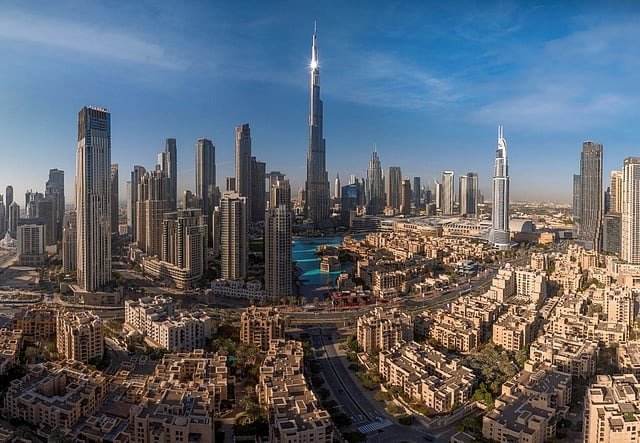
Dubai’s property market is entering a new phase of stability, signaling maturity after two years of record-breaking rent and price surges. With more homes entering the market, tenants are finally getting relief, while apartment sales continue to soar and villa demand cools slightly.
Rents flatten as supply catches up
According to new data from ValuStrat’s Q3 2025 Real Estate Review and Betterhomes’ Shaping Skylines report, rental growth has begun to stabilize. Rents across Dubai rose by just 2.1% in Q3, compared with 5.5% in Q2, bringing annual growth down to 14.8%. The slowdown reflects a growing balance between housing supply and tenant demand.
Apartment rents grew at a slower pace, while villas — particularly in high-demand areas such as Arabian Ranches and Palm Jumeirah — even saw small quarterly declines. Analysts attribute this to the sharp increase in new residential completions across the city.
Betterhomes also recorded a 92% surge in leasing transactions year-on-year, but with rental prices holding steady. The average annual rent in Dubai now stands at Dh196,000, with apartments dominating new leases.
For many residents, this marks the first sign of relief in years. “More supply is coming online, giving renters options again,” said a Dubai-based leasing manager. “Landlords are now more open to negotiation on prices and flexible payment terms.”
Apartment sales take center stage
While rents are cooling, apartment sales have taken off. Betterhomes reported apartment transactions worth Dh93 billion in Q3, the highest quarterly total ever recorded. Sales volumes climbed 22%, and off-plan sales surged 35% quarter-on-quarter.
Off-plan properties now represent nearly 70% of all transactions, underscoring strong developer confidence and investor appetite for new projects. Many buyers are targeting mid-range communities such as Jumeirah Village Circle, Business Bay, and Arjan, where improved affordability and a recent US interest rate cut have boosted activity.
ValuStrat’s report confirmed this shift toward apartments, noting that most new supply and sales momentum are concentrated in these emerging areas rather than Dubai’s luxury segment.
Villa market takes a breather
After two years of exceptional gains, villa and townhouse sales dipped 30% in Q3, a sign of natural market recalibration rather than a decline in interest. Prices in established upscale neighborhoods like Emirates Hills and Dubai Hills Estate remain firm, supported by limited prime supply and long-term investor confidence.
“Villas aren’t falling out of favor,” explained Betterhomes CEO Louis Harding. “This is a moment of pause, not panic. The market is simply digesting the rapid growth seen in 2023 and 2024.”
Prices reach record highs
Despite the slowdown, overall residential prices continue to climb modestly. Betterhomes data shows Dubai’s average home price now stands at Dh1,664 per sq ft — almost double the level seen in 2020. ValuStrat’s index indicates an annual price increase of 21.6%, though quarterly growth is moderating as new projects enter the market.
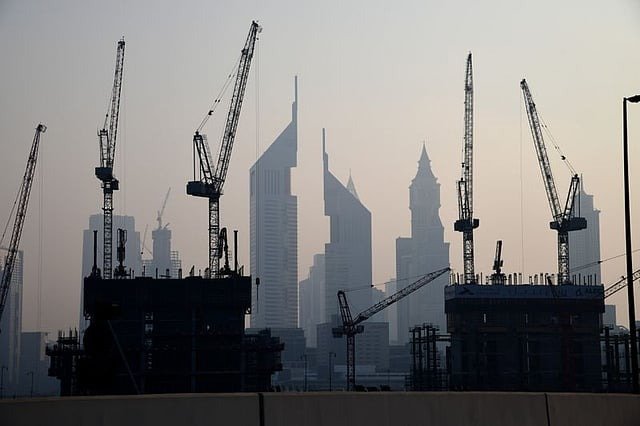
More than 28,500 residential units were delivered in 2025 alone, around 85% of them apartments, easing supply pressures. Analysts expect as many as 200,000 new homes to be completed by 2027, which should further balance demand and keep rents in check.
Outlook: balance and opportunity
With increased inventory, competitive pricing, and improving affordability, Dubai’s real estate market is maturing into a more balanced ecosystem. Renters finally have leverage after years of steep hikes, while long-term investors continue to see the city as a resilient, high-yield destination.
“The days of runaway rent growth are over,” one analyst summarized. “Dubai’s property market is entering a sustainable phase — still dynamic, but far more balanced.”
Related News