
Petrofac Collapse Puts UAE, GCC Energy Projects Under Spotlight
UK’s Petrofac Collapse Clouds Multi-Billion-Dollar Projects in UAE and GCC
The sudden collapse of UK-based oil and gas contractor Petrofac has sent shockwaves through the global energy sector, sparking questions about the future of several large-scale infrastructure projects across the UAE and wider GCC region. While the company insists it is working to limit disruption, analysts say its financial downfall could lead to short-term delays in project timelines and contract reviews.
Financial Crisis and Administration
Petrofac, which employs over 7,300 people worldwide, officially filed to enter administration this week after failing to secure a debt restructuring plan. The company had been battling mounting financial pressures, intensified by the loss of a key offshore contract with European grid operator TenneT, which accounted for more than 80% of revenue in its engineering and construction division.
The termination of that contract effectively dismantled Petrofac’s recovery strategy, leaving it unable to sustain its debt obligations. In its official statement, Petrofac confirmed it continues to receive support from lenders and bondholders, who have extended forbearance agreements while the company explores restructuring and merger options.
Despite the crisis, the firm maintains that parts of its business remain stable. “Petrofac has a number of fundamentally strong operations, and we are focused on achieving the best possible outcome for them,” a company spokesperson said. Its North Sea business continues to operate as normal.
The UK Department for Energy Security and Net Zero described the company’s administration as a result of “longstanding global business challenges,” but assured that its UK operations would remain active.
Impact on the UAE and GCC
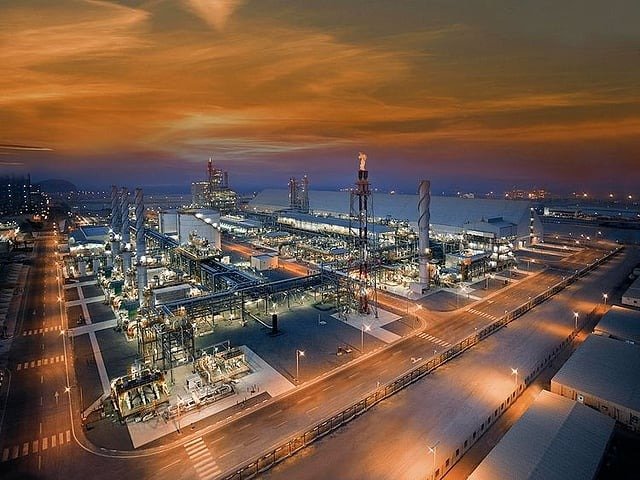
Petrofac’s largest contracts in the Gulf are concentrated in the UAE, where it plays a major role in several strategic energy infrastructure projects. These include a $1.2 billion gas expansion project and a $330 million gas compressor facility, both critical to the UAE’s long-term goal of expanding domestic gas output.
Across the broader GCC region, Petrofac holds active contracts worth more than $5 billion. Its ongoing projects include partnerships in Algeria, Iraq, Oman, and Bahrain—notably, the Majnoon oil field expansion in Iraq and a major petrochemical complex in Algeria with a Chinese joint venture partner.
Industry observers note that while Petrofac’s entry into administration could trigger internal reviews and supplier reassessments, no major project cancellations have been announced so far. A regional energy analyst said, “Petrofac’s situation is unfortunate, but Gulf energy projects are well-structured and resilient. Even if one contractor faces turbulence, the overall progress remains unaffected.”
Longstanding Struggles and Legal Setbacks
Petrofac’s financial instability did not arise overnight. The company’s troubles date back to 2017, when it faced a UK Serious Fraud Office (SFO) investigation, resulting in a substantial fine and reputational damage. The case also weakened its ability to secure fresh contracts in key markets, especially the Middle East.
In an attempt to recover, Petrofac initiated a debt-for-equity restructuring earlier this year with backing from hedge funds Mason Capital and Nut Tree Capital. The plan would have converted more than $800 million in debt into equity, but a UK Court of Appeal ruling in July 2025 blocked the move, forcing the company to seek alternative rescue measures.
Following the failed restructuring, advisory firm Teneo has been appointed as administrator to oversee Petrofac’s financial reorganization. Possible next steps may include asset sales, business divestitures, or the transfer of ongoing projects to other contractors.
Regional Stability and Future Outlook
The timing of Petrofac’s collapse coincides with a period of robust energy investment across the GCC, particularly in the UAE, where Abu Dhabi National Oil Company (ADNOC) continues to award multi-billion-dollar contracts for gas expansion projects such as Hail and Ghasha.
While Petrofac has been an integral part of the regional energy landscape, industry experts believe that GCC governments and local contractors have sufficient capacity to absorb any disruptions. The UAE’s project frameworks typically include contingency measures that ensure progress even when global partners face financial difficulties.
“Abu Dhabi’s energy projects are built on strong partnerships,” another analyst noted. “Even if Petrofac restructures or exits certain contracts, replacements can be arranged without halting overall progress.”
Conclusion: Limited Impact, Ongoing Transition
Although Petrofac’s collapse marks a significant chapter in the history of UK engineering firms, the impact on Gulf energy projects appears manageable and contained. With a healthy pipeline of regional investments and multiple capable contractors ready to step in, the UAE and GCC’s energy expansion plans are unlikely to derail.
In the coming months, Petrofac’s administrators will determine the future of its assets and operations. Meanwhile, Gulf stakeholders remain optimistic that despite this setback, the region’s multi-billion-dollar energy ambitions will continue to advance on schedule.
Related News