
How AI and Immersive Tech Are Transforming Dubai’s Real Estate Market
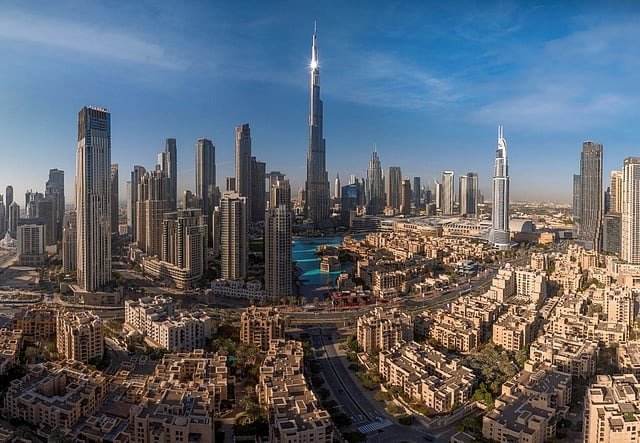
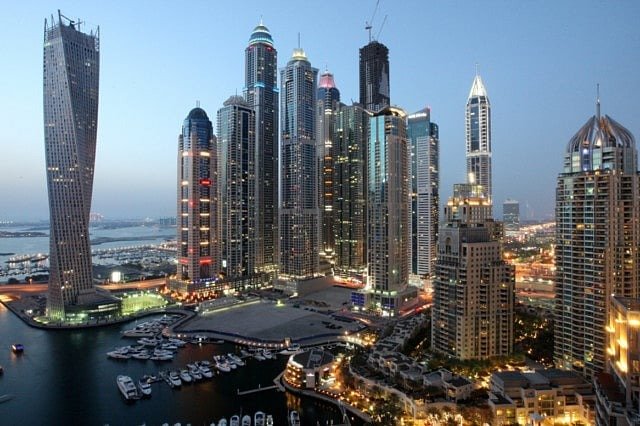
Dubai’s real estate sector — long known for innovation and bold ambition — is now entering a new era powered by artificial intelligence (AI), immersive experience tools, and blockchain-based ownership models. Together, these technologies are transforming how buyers search, evaluate, and invest in property, reshaping the city’s real estate ecosystem into one of the most advanced in the world.
Industry leaders, developers, and regulators all share a unified vision: to build a fully digital, transparent, and globally scalable real estate market that delivers speed, confidence, and accessibility to every stakeholder.
From Months to Minutes: AI Accelerates Property Decisions
The most visible impact of AI is on decision-making speed. Tasks that once took buyers months — such as searching for properties, verifying documents, analyzing comparable data, and coordinating with agents — now happen in minutes.
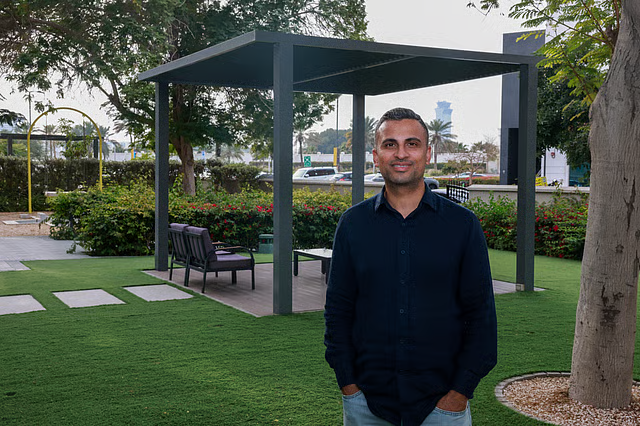
According to Mohamed Mohamed, Founder of Smart Bricks, AI has eliminated much of the manual friction that once defined the process.
“Proptech is rewriting the rules of Dubai’s real estate market,” he said. “Our AI-driven platform automates discovery, risk evaluation, and underwriting — compressing a six-month process into minutes.”
Smart Bricks’ data-driven “agentic AI infrastructure” identifies high-potential assets, matches them to buyer intent in real time, and automates due diligence.
A recent Smart Bricks survey of over 4,000 Dubai buyers revealed striking results: search and purchase timelines have been cut by up to 80%, while due diligence costs dropped by nearly 70%. These savings are helping both investors and developers close deals faster and more efficiently.
Immersive Experiences Redefine How Buyers View Property
While AI improves analysis, immersive technology is changing how buyers experience real estate. Platforms such as Lifesize Plans Dubai allow investors to walk through full-scale 1:1 projections of properties before construction even begins.
Georges Calas, CEO of Lifesize Plans Dubai, describes it as a revolution in buyer confidence.
“We’ve moved from ‘imagine and assume’ to ‘experience before committing,’” he said. “Buyers can now step inside their future home — evaluating space, flow, furniture fit, and even natural light — before the first brick is laid.”
For international investors, this realism removes uncertainty and speeds up decision-making. Lifesize Plans monetizes the experience through full-scale projection sessions, VR and AR upgrades, and modular add-ons like movable walls and mock furniture.
Developers across Dubai are increasingly partnering with such firms instead of building the technology in-house. These collaborations are helping real estate companies offer immersive, confidence-boosting sales experiences that appeal to both local and foreign buyers.
AI-Driven Due Diligence and Predictive Pricing
Digitization is also reshaping due diligence and valuation. Smart Bricks reports its Automated Valuation Model now achieves 95% accuracy, while predictive ROI models identify high-performing units before they reach the market.
Mohamed attributes much of this progress to the Dubai Land Department’s (DLD) commitment to open data and AI integration.
“The DLD’s open-data strategy is fueling innovation, allowing developers and startups to build transparent, intelligent systems,” he said.
Developers are also adopting predictive analytics to optimize pricing, maintenance, and operational efficiency.
According to Milad Monshipour, CEO and Founder of AIR, dynamic pricing models now use real-time data — including buyer sentiment, demand trends, and competitor launches — to set optimal prices.
“Predictive analytics helps developers make smarter commercial and operational decisions,” Monshipour explained. “It reduces risk and increases the likelihood of hitting sales and ROI targets.”
Over time, these same predictive tools are being used to forecast maintenance needs, reducing costs and extending asset life cycles.
Blockchain and Tokenisation: The Future of Ownership
Dubai’s real estate future is also being reshaped by blockchain. Tokenisation — or dividing properties into digital tokens — is enabling fractional ownership and automated profit distribution via smart contracts.
Monshipour noted that this new model “is transforming how properties are owned and traded” by allowing more inclusive participation from small investors. However, he added that scaling tokenisation will require clear regulatory frameworks and robust data standards to ensure transparency and investor protection.
Smart contracts are already finding traction, although adoption remains gradual due to compatibility challenges with older systems. Many developers now blend automation with human verification to ensure title authenticity and compliance.
A Unified Digital Future for Dubai Real Estate
Experts say Dubai is well positioned to lead the next phase of global PropTech growth. Key initiatives such as unified property data, digital real-estate identities, and cross-government interoperability are driving the shift.
The Mohammed Bin Rashid Innovation Fund continues to act as a bridge between startups, investors, and policymakers, helping pilot new solutions and navigate regulations.
As the ecosystem matures, investment is flowing toward tools that reduce friction, cut redesign costs, and boost buyer confidence. From AI-powered analytics and immersive virtual walkthroughs to blockchain-backed ownership and predictive maintenance, Dubai’s property sector is becoming faster, smarter, and more transparent than ever before.
In this data-driven, tech-enabled future, one thing is clear: Dubai is not just adapting to real estate innovation — it is defining it.
Related News