
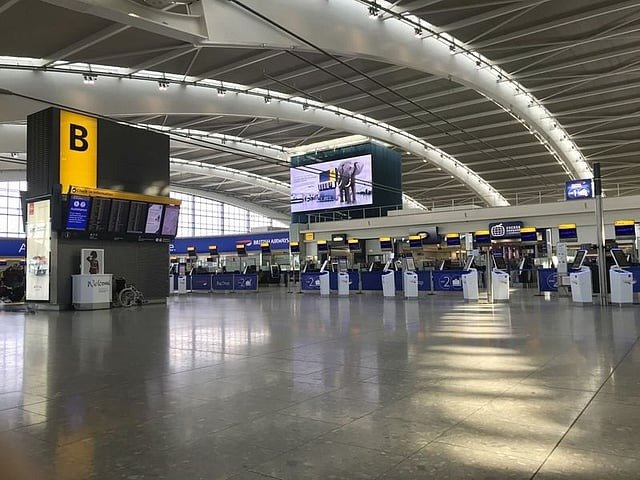
Heathrow Cyberattack Disrupts European Air Travel
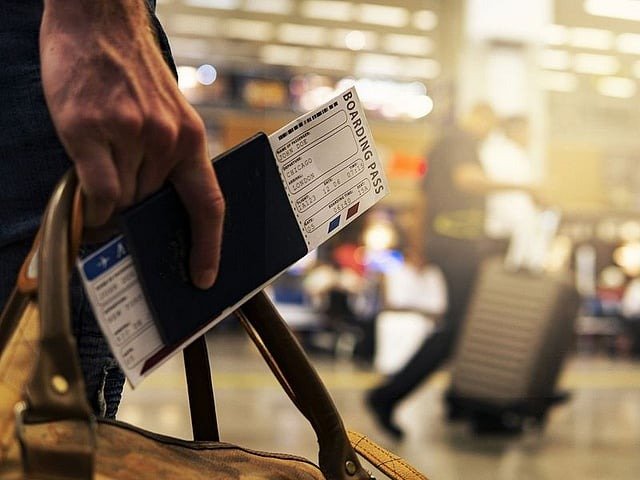
Europe’s busiest travel hubs are grappling with major disruptions after a cyberattack on a critical airline check-in system left airports struggling to process passengers. The incident, which began late Friday, continues to affect flights across London, Berlin, and Brussels, with ripple effects spreading throughout the continent.
The Source of the Outage
The disruption stems from an attack on Collins Aerospace’s MUSE software, a global system used by airlines to manage check-in, boarding, and baggage operations. The outage left self-service kiosks and automated bag-drop machines offline, forcing staff to fall back on manual processing.
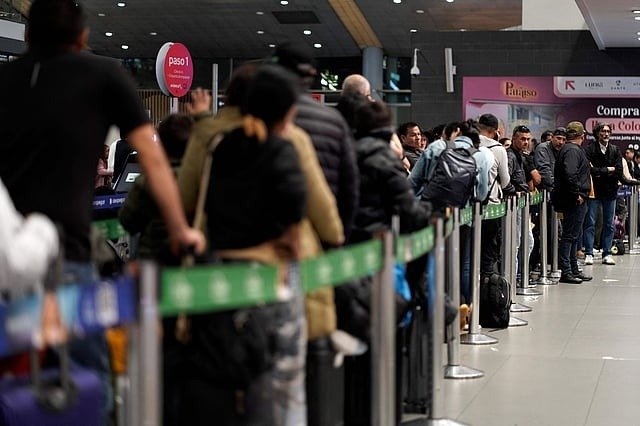
While flights are still operating at most airports, the slowdown in passenger handling has led to long queues, mounting delays, and in some cases, cancellations.
Impact on Major Airports
London Heathrow: Europe’s busiest airport reported that “the vast majority of flights” are still running, but long lines and extended check-in times have become unavoidable. Officials advised travelers to arrive only within three hours for long-haul and two hours for short-haul flights, urging passengers not to show up earlier to avoid overcrowding.
Berlin Brandenburg Airport: Germany’s capital city airport confirmed that disruptions remain ongoing, with delayed departures and longer processing times for baggage and security. Travelers were advised to check flight statuses frequently.
Brussels Airport: Taking the most drastic measure, the Belgian hub asked carriers to cancel 50% of scheduled departures to ease pressure on staff and passengers. The airport issued an apology, citing the “external cyber issue” and assuring travelers that systems will be restored once Collins Aerospace completes repairs.
Airlines Respond
Airlines operating through affected hubs, including major carriers such as British Airways, Lufthansa, and Air France-KLM, have been forced to adjust schedules and communicate advisories to passengers. Some carriers have warned of continued delays until full system functionality is restored.
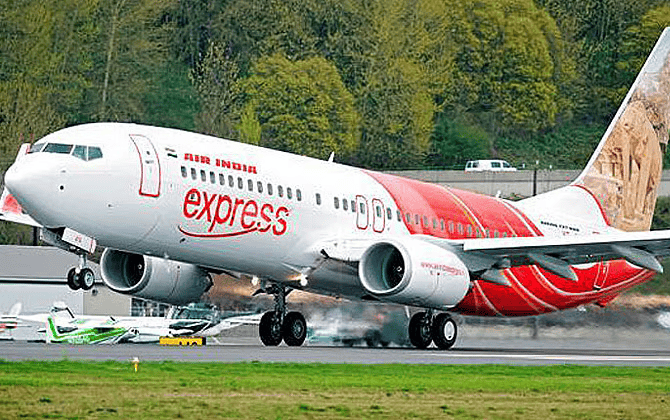
Air India, which also relies on the MUSE platform, issued a travel advisory for its Europe-bound passengers, urging them to check for updates and allow additional time for check-in.
Wider Cybersecurity Concerns
The incident has heightened concerns about cybersecurity vulnerabilities in the aviation industry. Airports and airlines are heavily reliant on third-party technology providers, making them susceptible to systemic risks if those providers are compromised.
A June 2025 report by French defense firm Thales SA found that ransomware attacks in the aviation sector had surged by 600% year-on-year, with dozens of reported incidents targeting airlines, airports, navigation systems, and support services.
This latest attack underscores the fragility of aviation infrastructure and the growing sophistication of cybercriminals who view transportation systems as high-value targets.
Limited but Significant Disruption
So far, cancellations remain limited compared to Europe’s overall daily air traffic. However, the incident demonstrates how quickly even a partial outage can cause widespread disruption. With passenger volumes still recovering post-pandemic, airlines and airports are already operating under pressure, leaving little margin for error when critical systems fail.
Recovery efforts are expected to remain uneven until Collins Aerospace restores full service. The company has not yet released details on the scale of the attack or whether ransomware was involved.
Passengers Advised to Stay Alert
Travelers across Europe are urged to:
Check flight status before heading to the airport.
Arrive only within recommended check-in windows to avoid crowding.
Expect longer queues and delays for baggage and boarding.
Stay updated with airline advisories and airport announcements.
Growing Pattern of Attacks
This cyber incident follows a series of recent disruptions across global infrastructure, including attacks on shipping companies, power utilities, and even healthcare systems. Aviation, given its reliance on centralized digital systems, remains a particularly vulnerable target.
Security experts warn that cyberattacks could become a recurring challenge for international travel. Strengthening defenses, diversifying systems, and building redundancies are seen as urgent priorities for the aviation industry.
Conclusion
The cyberattack that disrupted Heathrow, Berlin, and Brussels airports highlights the scale of challenges facing Europe’s aviation sector. While the immediate cancellations remain limited, the impact on passengers, staff, and operations has been significant.
As the industry works to restore normalcy, the incident serves as a stark reminder that cybersecurity is now as critical to air travel as physical security and safety. Until Collins Aerospace’s systems are fully restored, travelers should brace for uneven recovery and ongoing delays.
Related News