

Afghanistan, Pakistan to Resume Truce Talks in Istanbul to Prevent Renewed Clashes
Afghanistan and Pakistan Resume Ceasefire Talks in Istanbul Amid Rising Tensions
Afghanistan and Pakistan are set to resume truce talks in Istanbul on Thursday, in a renewed effort to stabilize relations and prevent a return to hostilities following their worst border clashes in years. The negotiations, mediated by Turkey and Qatar, come amid deep mistrust between the two neighboring nations — both of which have long accused the other of destabilizing cross-border activities.
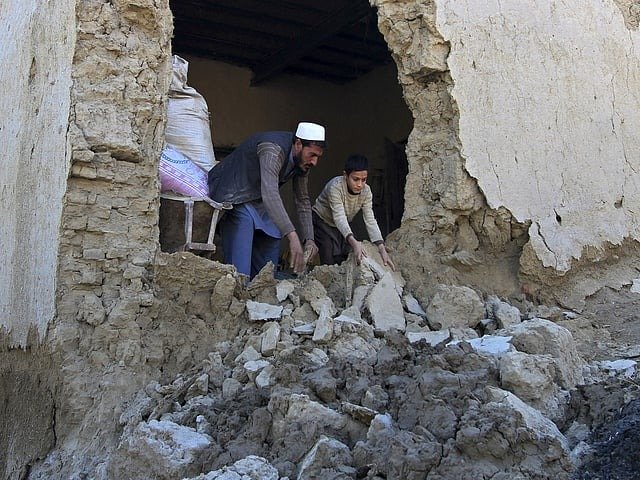
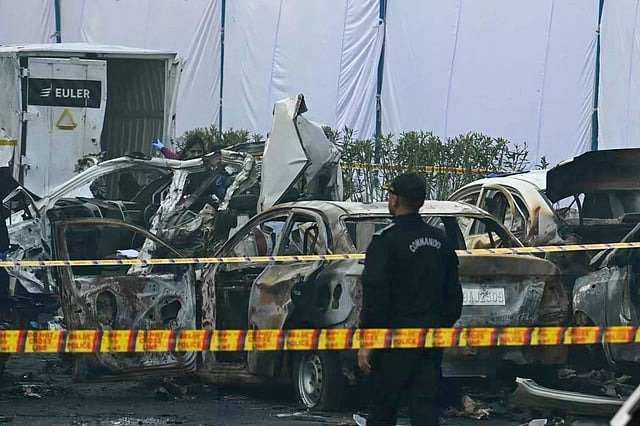
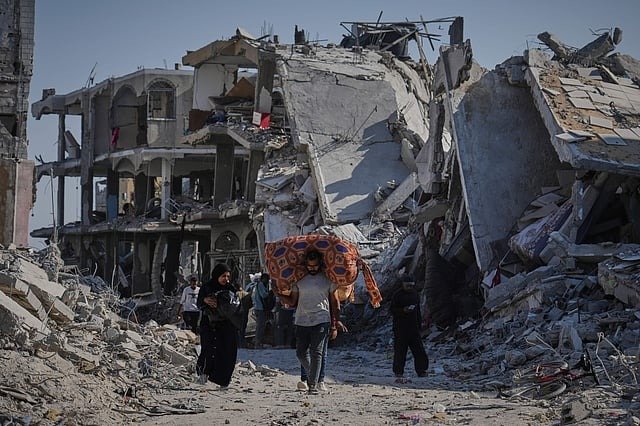
The latest conflict erupted after explosions in Kabul on October 9, which the Taliban-led Afghan government blamed on Pakistan. In response, Pakistan launched a retaliatory border offensive, triggering heavy clashes that left more than 70 people dead, including civilians, and injured hundreds more.
The confrontation represented one of the most serious breakdowns in relations since the Taliban’s return to power in 2021.
Mediated Ceasefire Under Pressure
A temporary ceasefire was agreed upon on October 19, following mediation by Turkey and Qatar, but key implementation details were left unresolved. Talks in Istanbul last week resulted in a short-term extension of the truce and an agreement to reconvene on November 6.
Officials from both sides are expected to focus on finalizing a “monitoring and verification mechanism” — a system designed to ensure compliance with ceasefire terms and penalize violations. Turkish officials, who are hosting the discussions, have emphasized that maintaining dialogue is critical to prevent further escalation.
However, neither Kabul nor Islamabad has confirmed which senior representatives will lead their delegations this week. Analysts note that the lack of clarity may reflect fragile political trust and divergent expectations ahead of the talks.
Tensions Run Deep
Relations between the two neighbors have been fraught since 2021, when the Taliban reclaimed power in Afghanistan. While Pakistan had historically maintained close ties with the Taliban, relations have soured sharply in recent years over security and territorial disputes.
Islamabad has repeatedly accused Kabul of harboring militants, particularly members of the Tehrik-i-Taliban Pakistan (TTP) — a group responsible for multiple attacks inside Pakistan. The Pakistani government insists that Afghan territory is being used as a launch base for cross-border strikes, undermining regional stability.
Kabul has denied these allegations, countering that Pakistan routinely violates Afghanistan’s sovereignty through drone attacks and artillery strikes targeting militant hideouts along the shared 2,600-kilometre frontier.
“Pakistan must stop blaming Afghanistan for its internal security issues,” an Afghan official told reporters earlier this week. “The continued border aggression threatens not just peace but regional trade and humanitarian movement.”
The India Factor and Diplomatic Friction
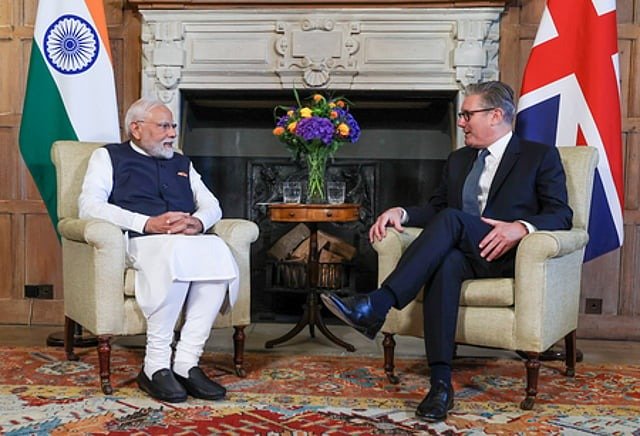
The situation has been further complicated by India’s strengthening ties with the Afghan Taliban, a development that has angered Islamabad. The Kabul explosions that triggered the latest conflict coincided with India’s high-profile reception for Afghan Foreign Minister Amir Khan Muttaqi, who is under UN sanctions.
Pakistani Defence Minister Khawaja Asif accused Kabul of “treacherous and barbaric patronisation of Indian-sponsored terrorism”, suggesting that Afghanistan’s new diplomatic closeness with New Delhi undermines Islamabad’s security.
For its part, Kabul has rejected these claims, asserting that Afghanistan “maintains independent foreign relations” and does not act as a proxy for any regional power.
Economic and Humanitarian Fallout
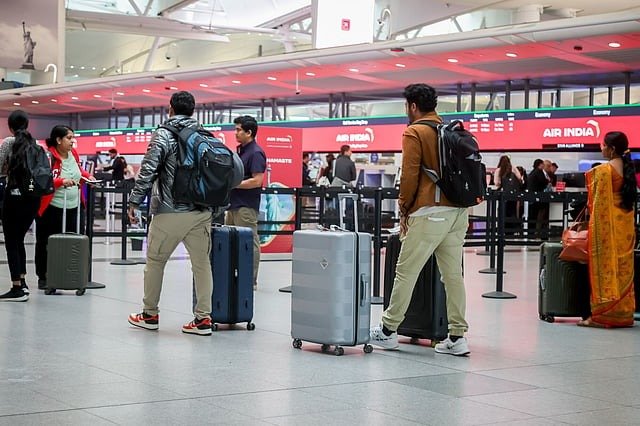
The escalating tensions have had severe economic repercussions, especially for traders and border communities. The Pakistan–Afghanistan border crossings — crucial trade arteries for food, fuel, and goods — have been closed for weeks, leading to major financial losses and supply chain disruptions on both sides.
Local businesses report that thousands of trucks carrying perishable goods are stranded at key checkpoints like Torkham and Spin Boldak, while humanitarian groups warn that the closures could exacerbate food insecurity in already vulnerable regions of Afghanistan.
Hope for a Fragile Peace
Despite the bitterness, Thursday’s talks in Istanbul are being viewed as a critical opportunity to de-escalate tensions. Turkey, which has longstanding ties with both nations, has positioned itself as a neutral mediator, seeking to preserve the fragile ceasefire and pave the way for longer-term reconciliation.
Sources close to the discussions say negotiators will also explore confidence-building measures, including reopening trade routes, establishing direct military communication channels, and joint monitoring along contentious border points.
Still, analysts caution that deep-seated mistrust and competing national interests could derail progress.
“The Istanbul talks may reduce immediate tensions, but the underlying issues — cross-border militancy, political suspicion, and regional rivalries — remain unresolved,” said a regional security expert in Doha.
If successful, the talks could mark the first meaningful step toward restoring stability along one of South Asia’s most volatile borders. But if they collapse, both nations risk sliding back into confrontation — with potentially devastating consequences for the region’s fragile peace.
Related News