
Iraqi Tribal Leader’s Shocking Act of Political Devotion
Iraqi Tribal Leader’s Shocking Gesture Sparks Outrage Over Political Fanaticism
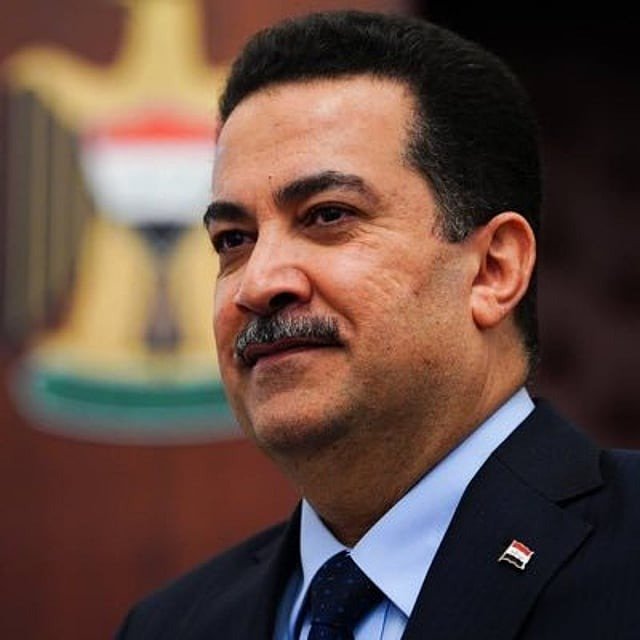
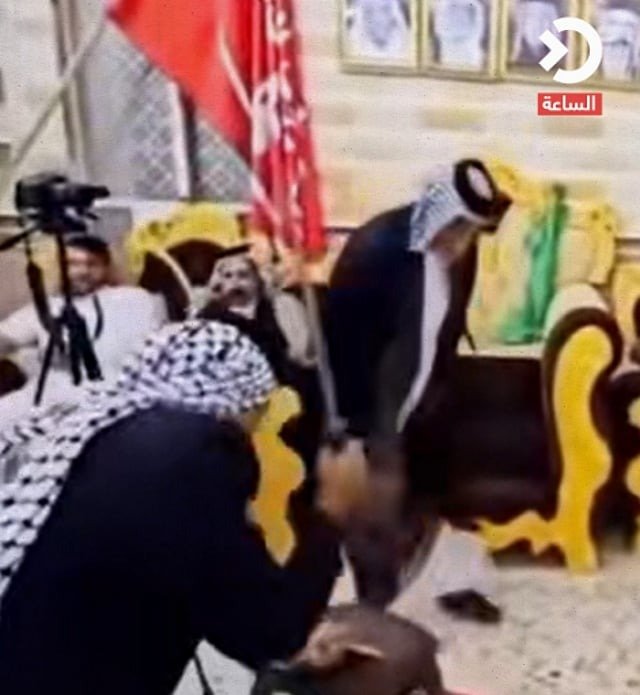
In a startling display of political loyalty, a tribal leader in Iraq attempted to cut off his own fingers during an election rally — an act that has shocked the nation and gone viral on social media. The incident, reported by local media and the news portal 24.ae, unfolded at a campaign event attended by several prominent public figures and supporters of Prime Minister Mohammed Shia’ Al Sudani.
Witnesses described the scene as chaotic and disturbing. As the event progressed, the man suddenly raised his hand and attempted to harm himself in front of the crowd, declaring the act as a gesture of loyalty to the ruling leadership. Fortunately, attendees intervened in time, restraining him before any serious injury occurred.
A Viral Moment That Stunned Iraq
Video footage from the rally quickly circulated across platforms like Instagram and X (formerly Twitter), showing the tribal leader surrounded by shocked onlookers as people rushed to stop him. The clip sparked an outpouring of reactions — from disbelief and concern to anger and condemnation.
Social media users expressed outrage at what many described as an extreme and misguided form of loyalty. “This isn’t patriotism; it’s desperation,” one user commented. Another wrote, “When political allegiance drives people to harm themselves, something is deeply wrong with the system.”
The viral video has become a symbol of how emotional and personal politics in Iraq can become, especially in regions where tribal loyalty and political allegiance often intertwine.
Political Loyalty Taken Too Far
In Iraq, tribal affiliations play a powerful role in political identity and voting behavior. Tribal leaders are often seen as influential figures who can mobilize large segments of the population. However, the latest incident underscores how loyalty can sometimes cross into dangerous fanaticism.
Observers and analysts have called the act a reflection of growing political polarization and frustration in parts of the country. “This kind of display reveals a deeper crisis — one where symbolic acts replace real political engagement,” said a Baghdad-based political commentator. “It’s not about loyalty anymore; it’s about spectacle.”
Public Reactions: Condemnation and Concern
The reaction among Iraqi citizens and commentators has been largely critical. Many saw the act as a disturbing metaphor for how political devotion can blur moral boundaries. Some also argued that such behavior reflects a broader issue — the erosion of civic values and the over-personalization of politics.
Others pointed out that the incident raises concerns about the psychological and social pressures driving individuals to such extremes. “We must question what leads people to think self-harm equals loyalty,” one social activist wrote. “It’s a tragedy that faith in leadership is expressed through pain rather than progress.”
A Reflection of Deeper Issues
The bizarre act has reignited discussions about political culture in Iraq, where displays of allegiance often become symbolic gestures of power and loyalty rather than genuine support for policies or governance. Critics say such incidents expose the gap between the political elite and the public — where emotional loyalty is rewarded more than accountability or reform.
Political analysts have urged leaders to publicly condemn such behavior and focus on restoring balance between personal loyalty and civic responsibility. “Political support should be expressed through dialogue, not destruction,” one analyst said.
The Broader Message
While the tribal leader’s attempt to harm himself was thwarted, the act leaves behind a troubling message — one that resonates far beyond Iraq’s borders. It highlights the dangers of unchecked political devotion, where symbolism overshadows substance and personal sacrifice replaces genuine participation.
As Iraq prepares for upcoming elections, the viral incident serves as a stark reminder of the emotional volatility within the country’s political landscape. The hope among many Iraqis is that this shocking moment will spark reflection — prompting a move toward rational debate, democratic engagement, and healthier expressions of national loyalty.
Related News