
Dubai to Build 60 Affordable Schools by 2033, Creating 120,000 New Student Seats
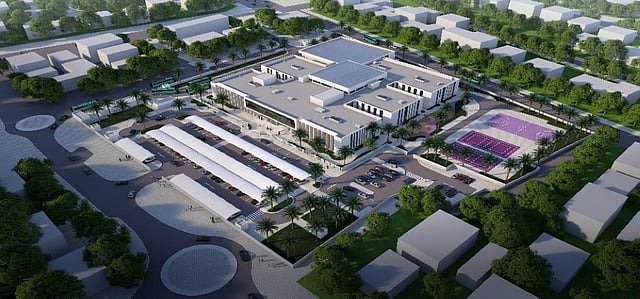
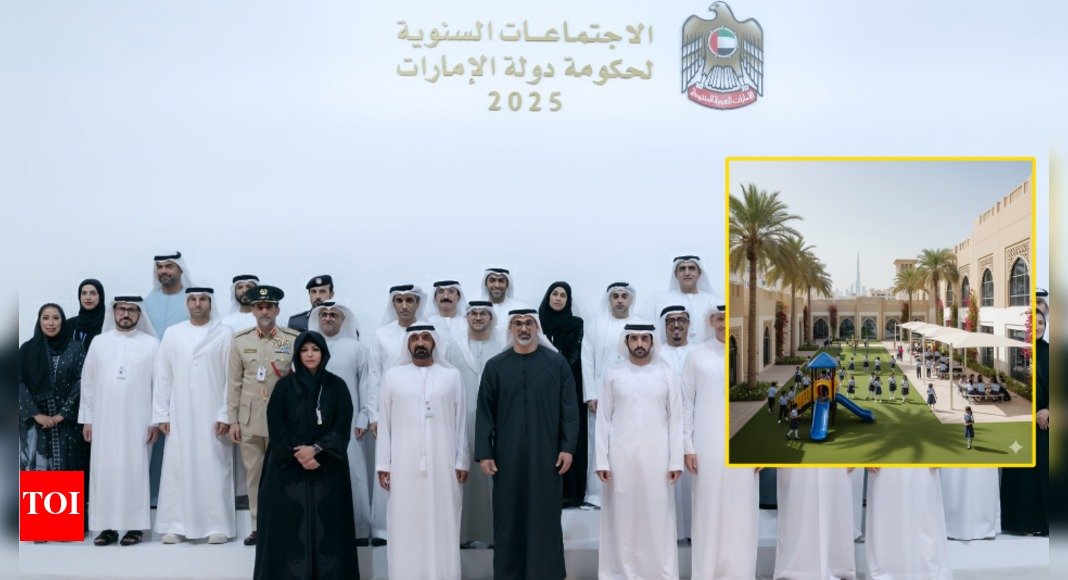
Dubai, UAE — In a significant move to expand educational access and meet the demands posed by a growing population, the Emirate of Dubai government has unveiled plans to build 60 affordable private schools over the next decade. The initiative is expected to provide 120,000 new student seats by 2033 and is aimed at meeting the needs of middle- and low-income families in the emirate.
Rationale Behind the Initiative
Dubai’s population continues to grow and diversify, driven by a thriving economy and strong appeal to global talent. However, rising school fees and limited slots in high-quality institutions pose challenges for many families. In response, the government’s new school-building plan is designed to enhance inclusion, relieve pressure on existing schools, and ensure that quality education remains accessible.
The scheme includes incentives for investors to open and operate affordable private schools, along with regulatory measures aimed at containing tuition costs. Officials describe the plan as part of a broader social development strategy to foster educational equity and high standards across private education.
Key Features of the Plan
60 new schools by 2033: These will be established across various districts in Dubai to balance accessibility.
120,000 additional seats: Spanning primary through senior levels, these seats aim to ease enrollment bottlenecks.
Affordable model: By focusing on cost-efficiency and regulatory oversight, the schools will target fee structures that are lower than the average private school.
Investor incentives: Measures include land allocation, flexible licensing and support to encourage operators to establish affordable schools.
Family-oriented approach: The initiative aligns with Dubai’s focus on family welfare and sustainable community development.
Impact on Families and Students
For many families in Dubai, especially expatriate households with multiple children, the announcement offers hope and concrete possibilities:
Reduced competition for school seats: More options mean less stress about securing placements in good schools.
Lower fees: With the emphasis on affordability, tuition burdens should ease for many.
Quality assurance: The government has affirmed that despite lower fees, the new schools will maintain rigorous standards of teaching, curriculum and infrastructure.
Enhanced geographic coverage: With schools spread across the emirate, commuting distances and travel times can be reduced.
Parents, welcoming the announcement, noted that while Dubai offers world-class education, access has often been costly. One parent said, “This is a game-changer for families like ours — having more affordable high-quality schooling makes all the difference.”
Alignment with Dubai and UAE Priorities
The school-building plan falls under Dubai’s long-term vision of becoming a global city of opportunity where residents enjoy high quality of life, family-friendly services and inclusive growth. It also complements the UAE’s broader “We the UAE 2031” strategy, which prioritises education, youth empowerment and sustainable social infrastructure.
Education officials have stated that the initiative will be phased in, with careful monitoring to ensure that each school meets accreditation and performance requirements. By 2033, the education landscape in Dubai will benefit from both capacity expansion and improved accessibility.
Challenges and Considerations
While the announcement has been welcomed, some challenges remain:
Ensuring affordability: The term “affordable private school” will require clear definitions and oversight to avoid fee inflation.
Quality control: New schools must maintain high educational standards, teacher recruitment and infrastructure to deliver on promise.
Equitable distribution: Careful planning is needed to ensure the schools are accessible across all socio-economic districts of Dubai, not only in high-income zones.
Sustainability: Long-term viability of affordable models will depend on effective operator incentives and ongoing regulatory supervision.
Education analysts note that while building new schools is a major step, the ongoing task of maintaining quality and accessibility will require collaboration between government, schools and families.
What’s Next?
Plans are already underway to identify potential investors and sites for the first wave of schools. The government expects construction and licensing to ramp up from 2026 onwards, with the first handful of schools likely opening by 2028. As the project rolls out, families, communities and education stakeholders will watch closely for timelines, fee structures and the quality profile of each new institution.
Officials have assured the public that updates will be published annually, including the number of seats added, geographic locations of new schools and performance metrics of the newly established institutions.
Conclusion
Dubai’s commitment to expansion of affordable private education through the development of 60 new schools and 120,000 new student seats signals a major step in social infrastructure and inclusive growth. By offering improved access to quality schooling for a broader segment of the population, the emirate continues to reinforce its role as a global city of opportunities for families, students and educators alike. The success of this initiative will be measured not only in numbers but in the futures it helps to shape.
Related News